Adaptations
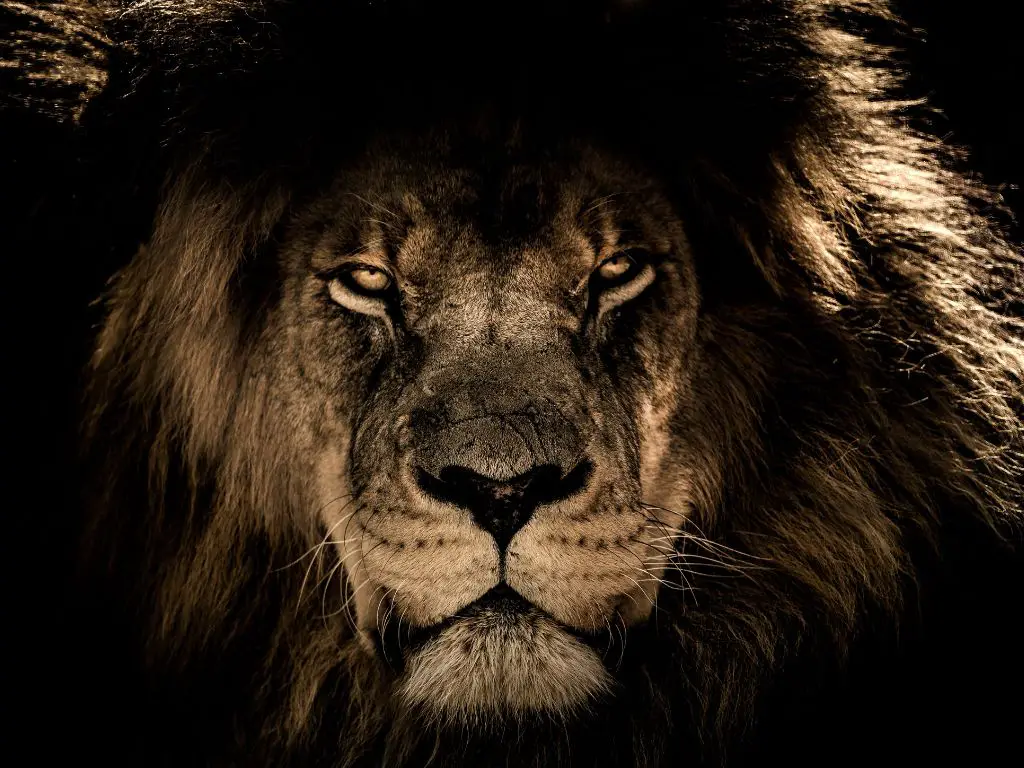
Lion adaptations: how lions hunt, share and survive
Lions survive by teamwork. Prides stalk big prey together, manes signal health to rivals and mates, and desert lions get…
The field guide
Animals have evolved a wide variety of adaptations that help them survive and thrive in their environments. These adaptations can be physical, such as body shape, size, and structure, or behavioral, such as mating rituals and hunting techniques. Physical adaptations can include features such as feathers for insulation and flight, sharp teeth and claws for hunting and defense, and camouflage for hiding from predators. Behavioral adaptations can include migration, hibernation, and cooperative hunting. These adaptations help animals to find food, avoid predators, and reproduce successfully.
Adaptations
Lions survive by teamwork. Prides stalk big prey together, manes signal health to rivals and mates, and desert lions get…
Adaptations
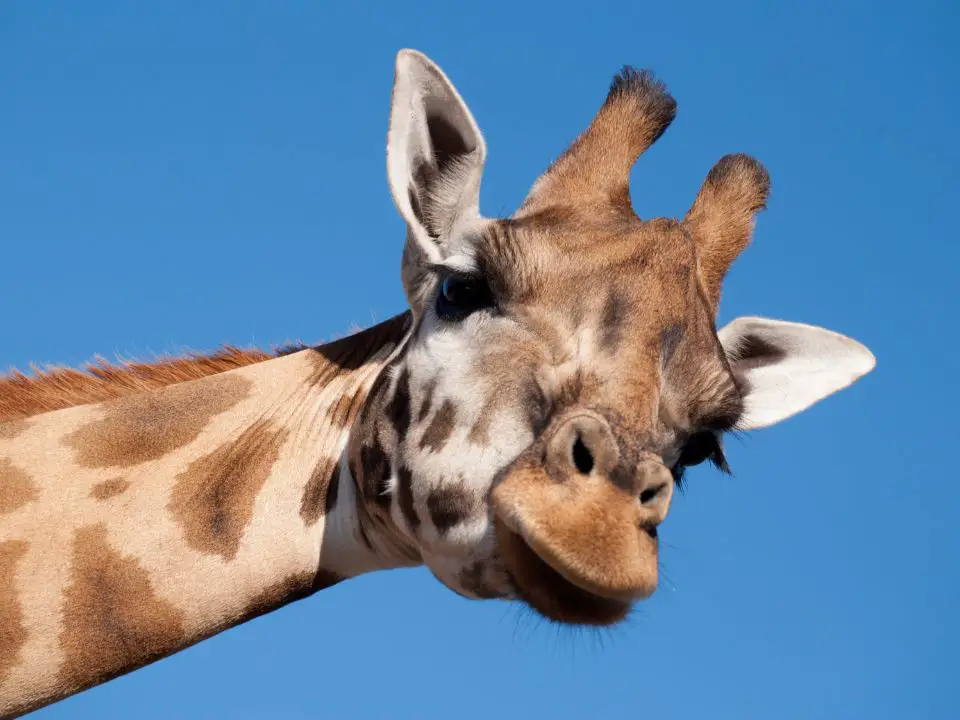
A giraffe's key adaptations are its 1.8 m neck, a heart that pumps at nearly twice human blood pressure, a…
Adaptations
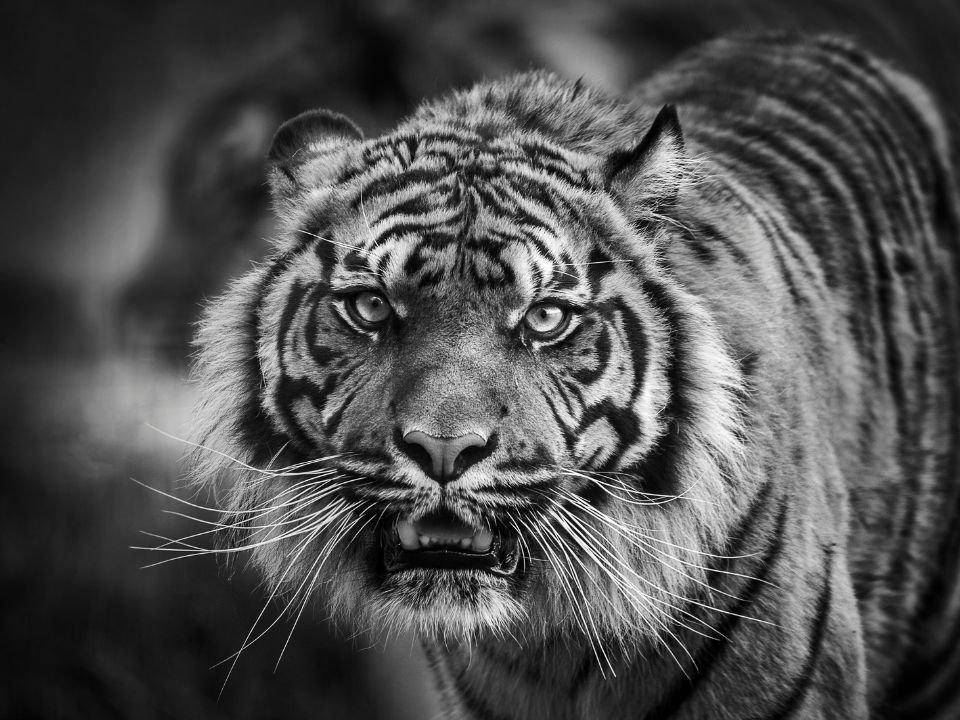
Stripes that look green to deer, night vision about six times better than ours, 10 cm claws and strong swimming:…
Adaptations
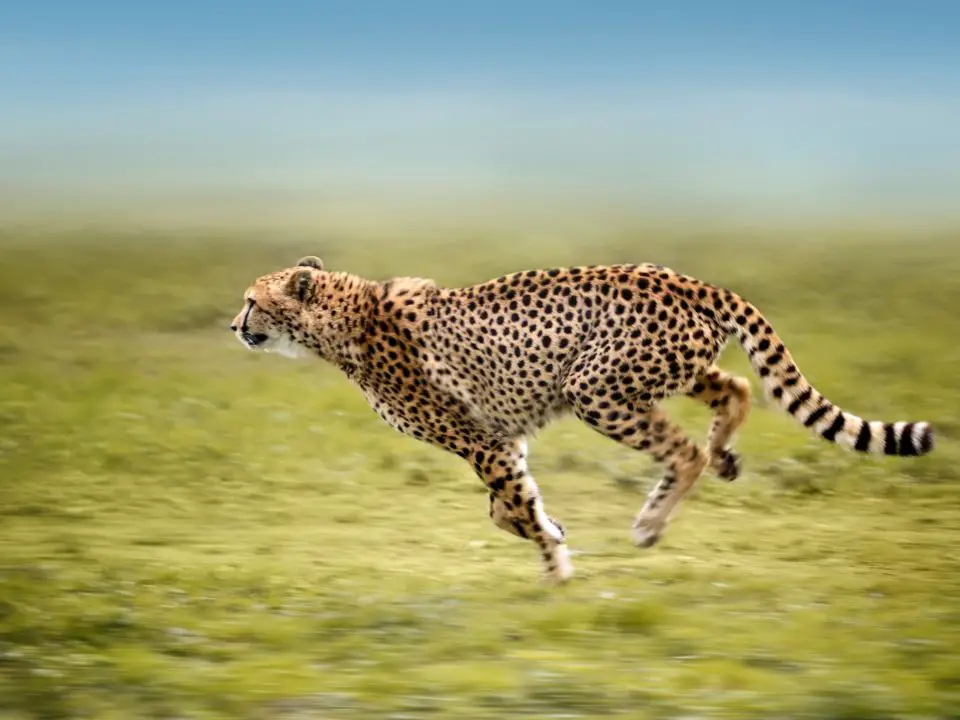
Cheetahs are built for short, fast chases: a bendy spine, grippy claws, a steering tail, big nostrils and an inner…