
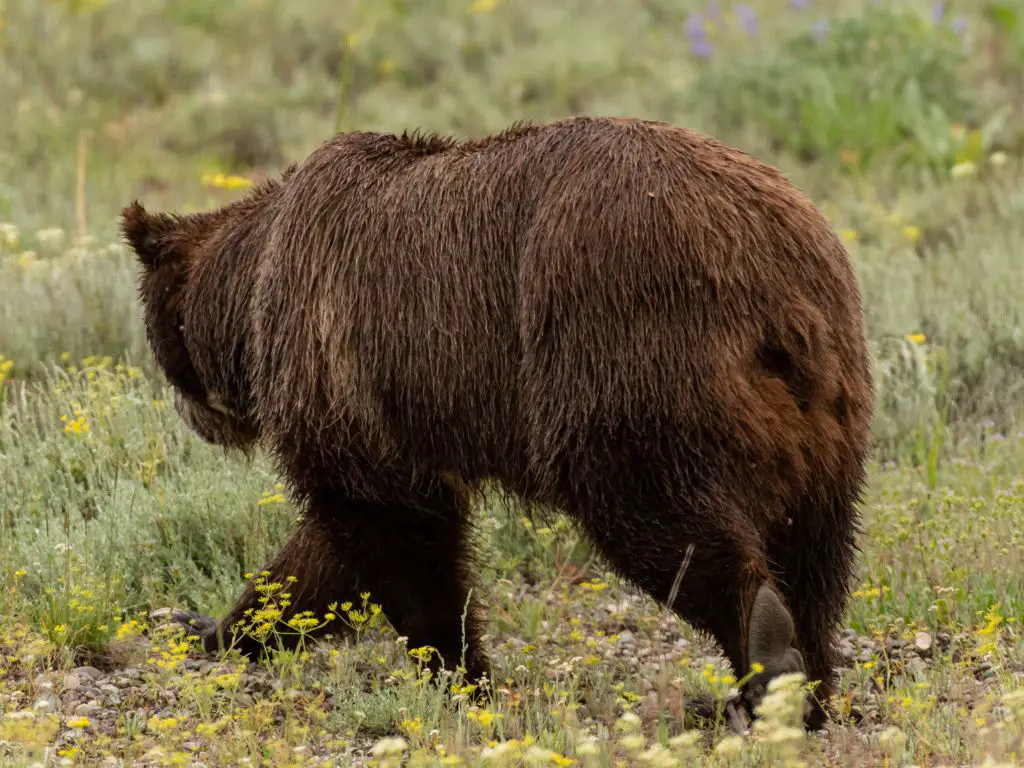
Yes, all bears have tails, but they are very short. The Animal Diversity Web at the University of Michigan says all 8 bear species have “very short tails”. Most are 3 to 20 cm (1 to 8 in) long and often hidden in fur. The giant panda uses its tail to spread scent.

Do all bears have tails?
Yes. Some websites say sloth bears, spectacled bears, Asiatic black bears and giant pandas have no tail at all. That is wrong. Every one of these bears has a tail; it is just small and easy to miss under thick fur.
A spectacled bear’s tail, for example, is about 7 cm (3 in) long and “often completely hidden by the fur”, says the Animal Diversity Web. An Asiatic black bear has a tail of 6.5 to 10.6 cm (2.6 to 4.2 in). Seen from a distance, most bears look tailless, so the mix-up is easy to make.
How long is a bear’s tail?
Here are the tail lengths for each species from zoo and university fact sheets. For comparison, the bears themselves are 1.2 to 2.8 m (4 to 9 ft) long, so the tail is only a few percent of the body.
| Species | Tail length | Source |
|---|---|---|
| Brown bear (including grizzly) | 6–20 cm (2–8 in) | San Diego Zoo Wildlife Alliance |
| Polar bear | 7–12 cm (3–5 in) | San Diego Zoo Wildlife Alliance |
| American black bear | 8–14 cm (3–5.5 in) | Animal Diversity Web |
| Asiatic black bear | 6.5–10.6 cm (2.6–4.2 in) | Animal Diversity Web |
| Giant panda | 10–15 cm (4–6 in) | San Diego Zoo Wildlife Alliance |
| Spectacled (Andean) bear | About 7 cm (3 in) | Animal Diversity Web |
| Sun bear | 3–7 cm (1–3 in) | Animal Diversity Web |
| Sloth bear | Short; no length given in the sources we checked | Smithsonian’s National Zoo gives body size only |
The brown bear has the widest range, from 6 to 20 cm, according to the San Diego Zoo fact sheet. That fits, because brown bears vary more in size than any other bear. The sun bear, the smallest bear, has the smallest tail at just 3 to 7 cm, says the Animal Diversity Web. That is shorter than your thumb.

What do bears use their tails for?
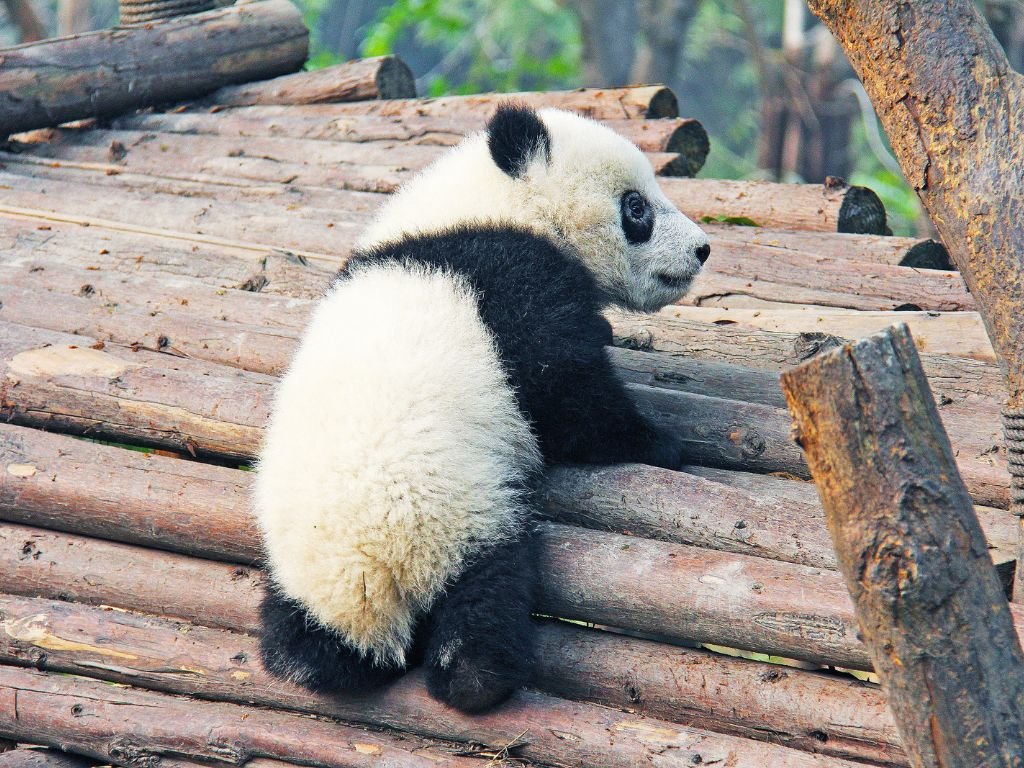
For most bears, not much that we know of. The clearest case is the giant panda. Its tail is 10 to 15 cm (4 to 6 in) long, and it has scent glands underneath, says the San Diego Zoo fact sheet. Pandas rub the tail on trees and rocks to leave smelly messages for other pandas.
Other bears leave scent too, often by rubbing their backs on trees, but no source we checked says the tail itself does the job. A bear’s tail does not help it balance the way a cat’s or a squirrel’s long tail does. Bears walk flat-footed on big paws and rely on their strong legs instead.
Why do bears have short tails?
Nobody knows for sure. The Animal Diversity Web simply lists very short tails as a feature of the bear family, with small ears and eyes and flat feet. Scientists have not settled why bears ended up this way, and we could not find a study that tested it.
What we do know is that a tail is useful for some jobs, such as balance in fast tree-climbers, steering or signalling, and bears seem not to need a long one for any of them. A short, furry tail also has less bare skin to lose heat or get frostbite in the cold, but that idea has not been proven for bears.

Do polar bears have tails?
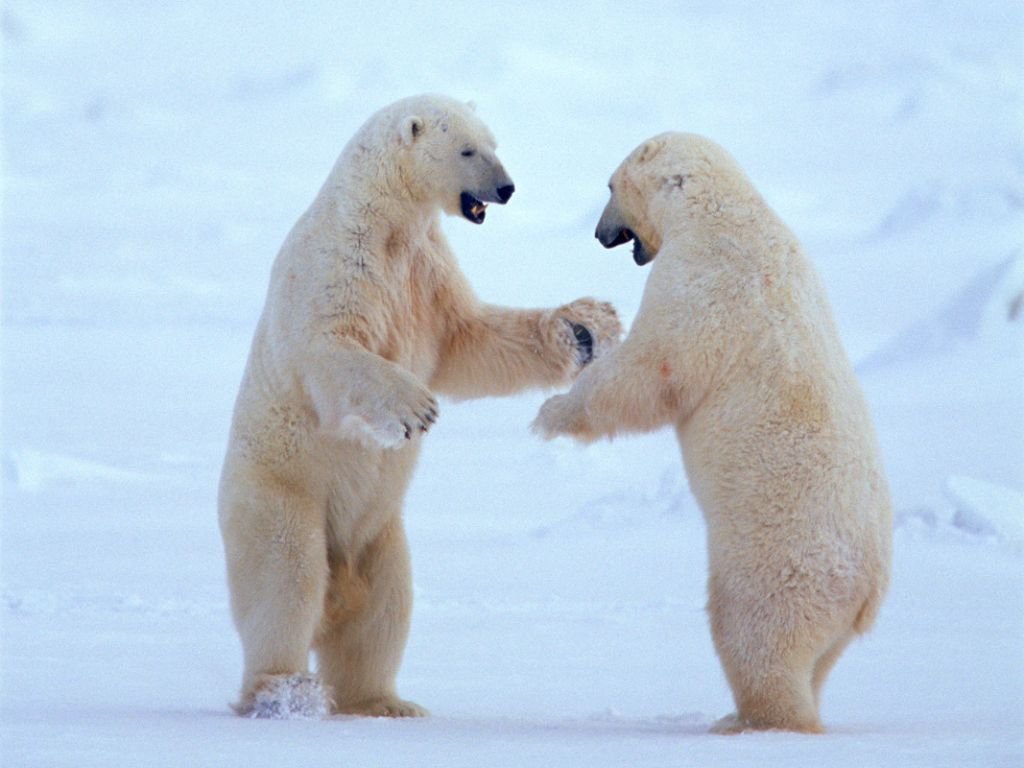
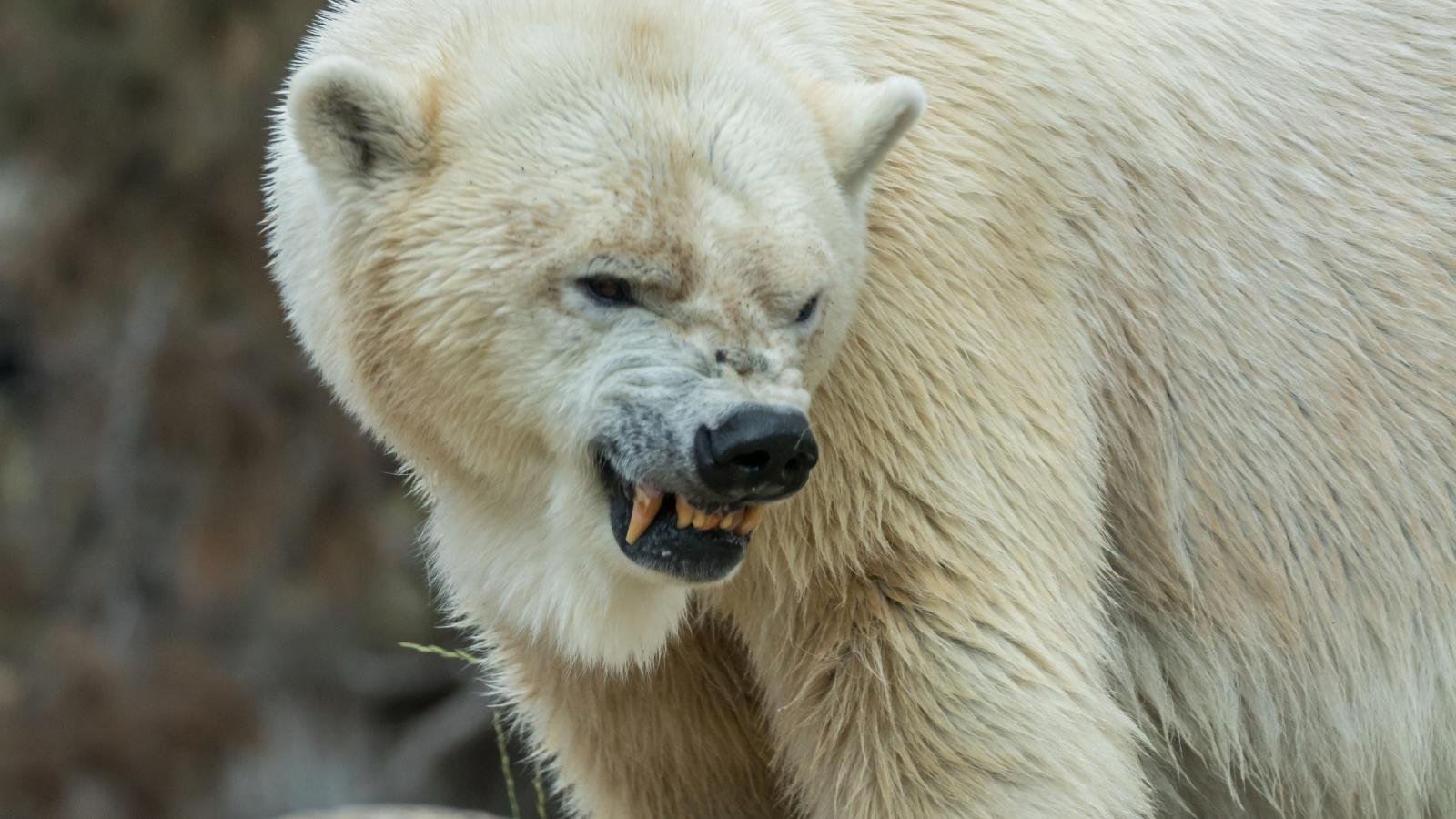
Yes. A polar bear’s tail is 7 to 12 cm (3 to 5 in) long, according to the San Diego Zoo fact sheet. It is covered in the same thick white fur as the rest of the bear, so it blends into the rump. Our page do polar bears have tails? looks at it more closely.
A male polar bear is 2.4 to 2.6 m (7.9 to 8.5 ft) long, so its tail is roughly one-twentieth of its length. For the rest of the polar bear, see how big a polar bear is.
Do black bears and brown bears have tails?
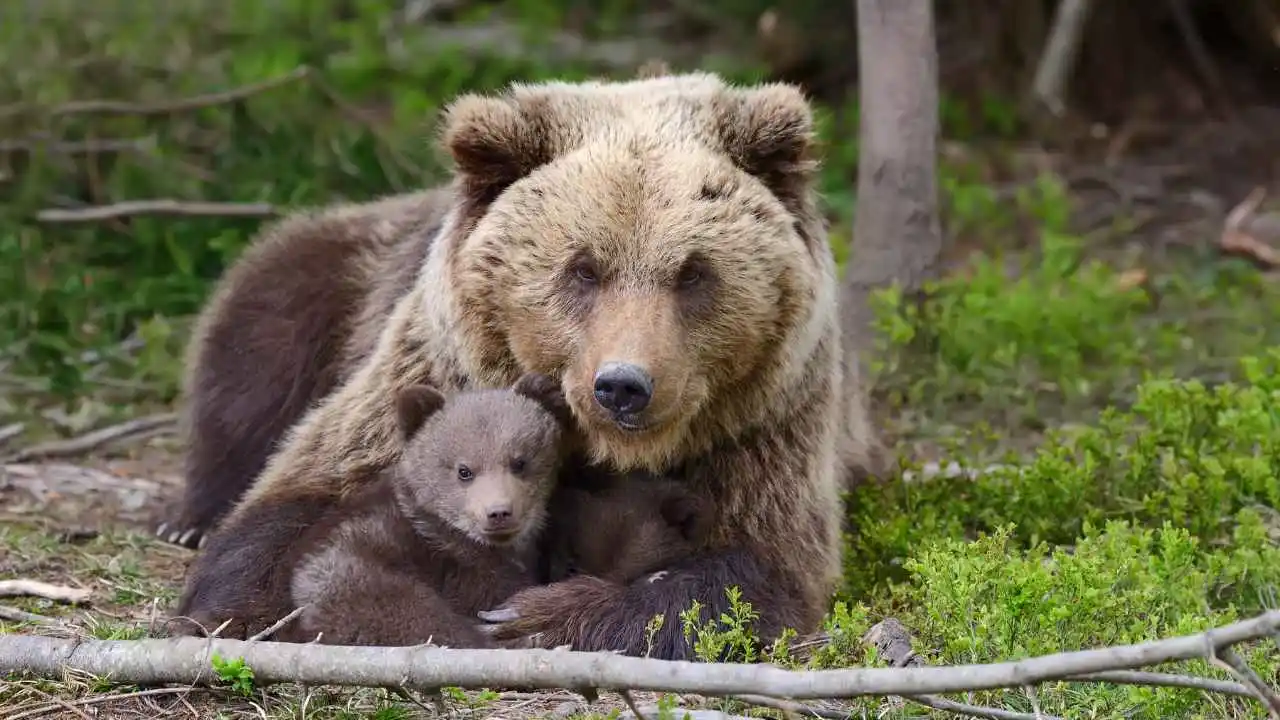
Yes, both do. An American black bear’s tail is 8 to 14 cm (3 to 5.5 in) long, says the Animal Diversity Web. A brown bear’s tail is 6 to 20 cm (2 to 8 in). Grizzlies are brown bears, so the same numbers apply to them.
You are most likely to spot the tail when a bear walks away from you or stands up. Want to know more about grizzlies? Read grizzly bear adaptations or how strong a grizzly bear is.


Do sun bears and sloth bears have tails?
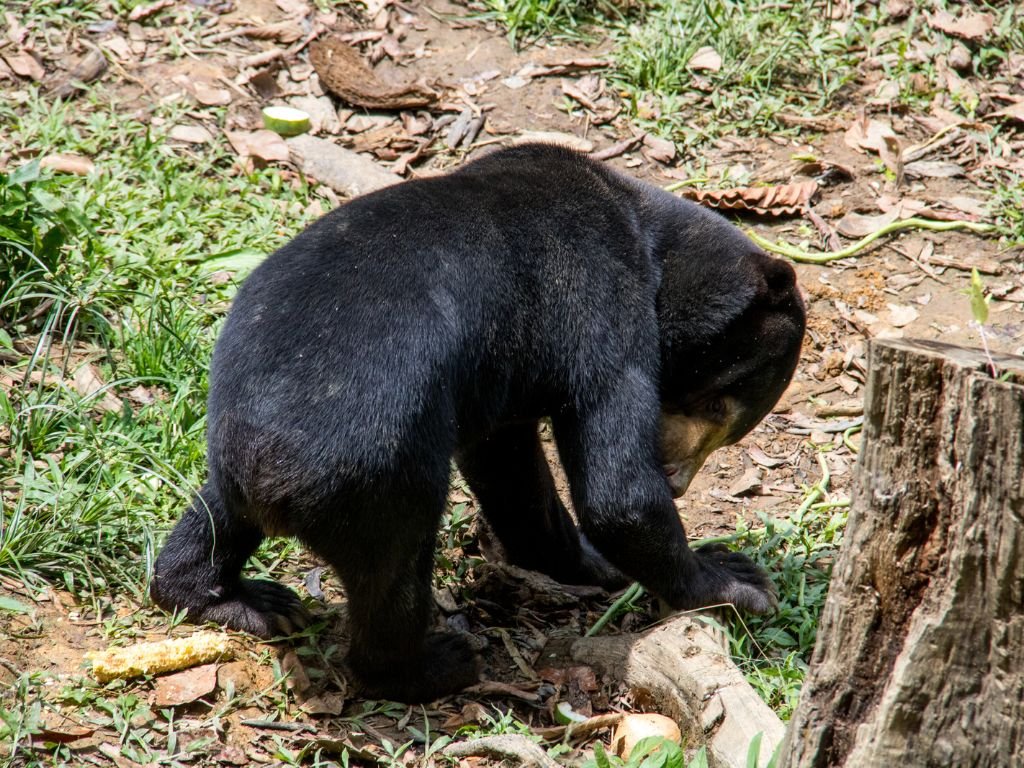
Yes. The sun bear of Southeast Asia has the shortest tail of any bear, at 3 to 7 cm (1 to 3 in). The sloth bear of India and Sri Lanka also has a short tail. The Smithsonian’s National Zoo gives sloth bears a body length of 1.5 to 2 m (5 to 6 ft), but no tail measurement.
Frequently asked questions
Which bear has the longest tail?
The brown bear has the longest tails recorded, up to 20 cm (8 in), according to San Diego Zoo Wildlife Alliance. Brown bears vary a lot in size, so their tails do too. The giant panda comes next with a tail of 10 to 15 cm (4 to 6 in).
Which bear has the shortest tail?
The sun bear, the smallest of all bears. Its tail is just 3 to 7 cm (1 to 3 in) long, according to the Animal Diversity Web. The spectacled bear's tail is also tiny, about 7 cm, and is often completely hidden by fur.
Do koalas have tails?
Koalas are not bears, even though people call them koala bears. They are marsupials from Australia that carry their young in a pouch. A koala has only a tiny stump of a tail, so like true bears, it looks almost tailless.
Can a bear wag its tail?
We found no study showing bears use tail movements to signal, as dogs do. A bear's tail is so short and furry that any movement would be hard to see. Bears communicate mostly with body posture, sounds and scent instead.
Sources
- Animal Diversity Web, University of Michigan. Ursidae (bears).
- San Diego Zoo Wildlife Alliance Library. Brown bear fact sheet: physical characteristics.
- San Diego Zoo Wildlife Alliance Library. Polar bear fact sheet: physical characteristics.
- San Diego Zoo Wildlife Alliance Library. Giant panda fact sheet: physical characteristics.
- Animal Diversity Web, University of Michigan. Ursus americanus (American black bear).
- Animal Diversity Web, University of Michigan. Helarctos malayanus (sun bear).
- Animal Diversity Web, University of Michigan. Tremarctos ornatus (spectacled bear).
- Animal Diversity Web, University of Michigan. Ursus thibetanus (Asiatic black bear).
- Smithsonian's National Zoo and Conservation Biology Institute. Sloth bear.
Sources checked 15 September 2026.

Keep the conversation curious