Anatomy & appearance
What do beluga whales look like?
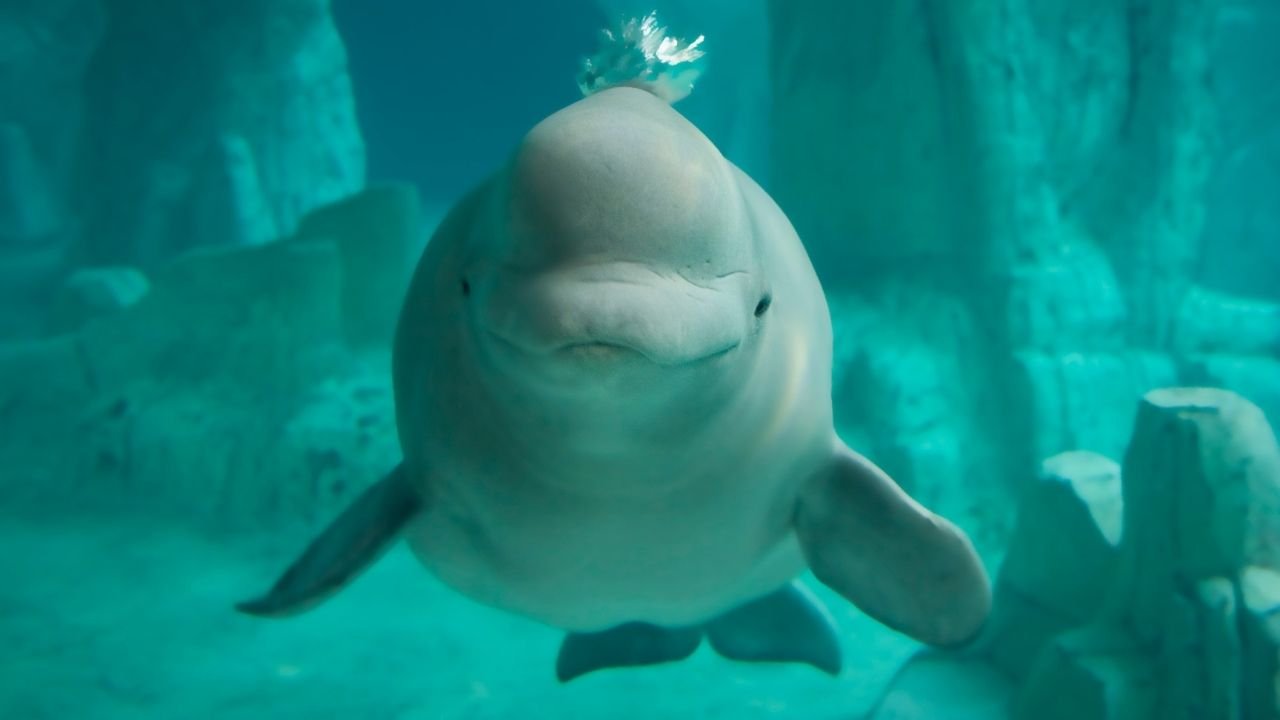
Adult belugas are pure white, 2.6–4.5 m long, with a round, flexible forehead, no dorsal fin and a neck that…
Biome
Meet the animals of oceans & coasts and read what we know about how they live there.
18 animals34 articles3 habitats inside
Anatomy & appearance
Adult belugas are pure white, 2.6–4.5 m long, with a round, flexible forehead, no dorsal fin and a neck that…
Predators & threats
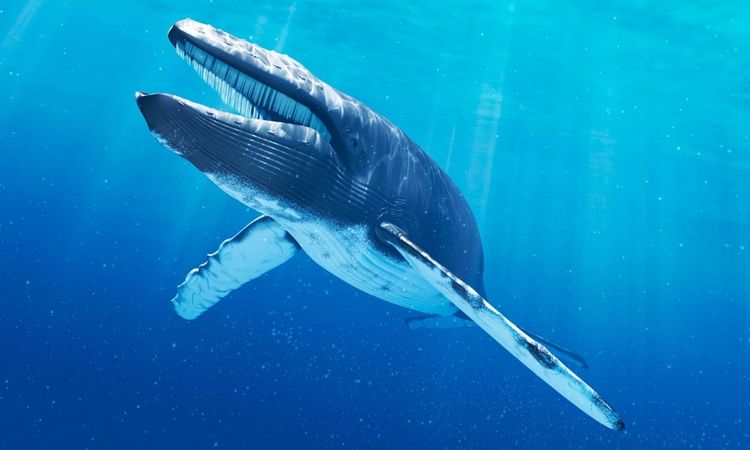
Killer whales are the only regular predators of humpback whales, and they go after calves. Sharks almost never kill a…
Diet & feeding
Elephant seals are marine animals that are found on the coasts of both the northern and southern hemispheres. Seals are…
Size & weight
Whale sharks, the gentle giants of the ocean, have fascinated marine enthusiasts and scientists alike for years. Their sheer size…
Adaptations
The 3 key adaptations of a great white shark, sorted into structural, behavioural and physiological, with a labelled diagram, myths,…
Adaptations
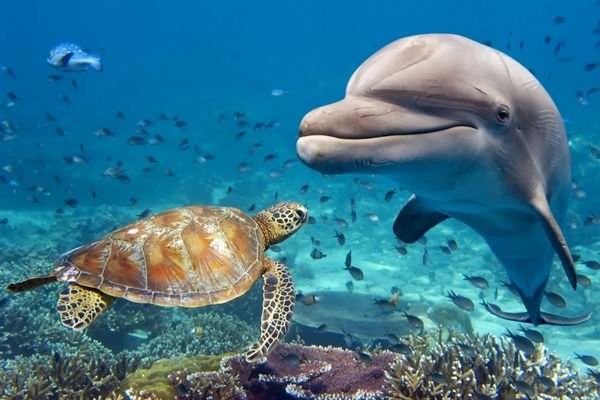
Dolphins survive with echolocation, fast deep breaths through a blowhole, blubber, a streamlined body and half-brain sleep. Here is how…
Diet & feeding
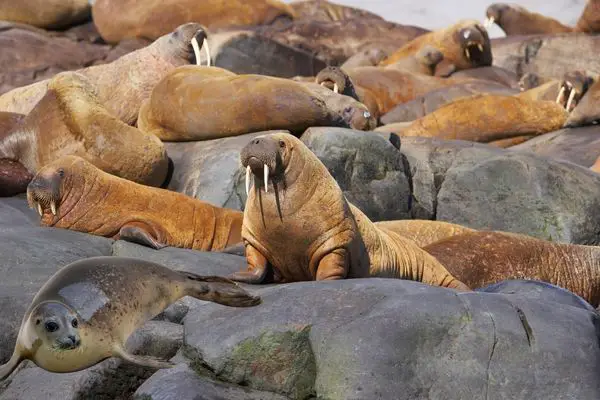
Walruses eat mostly clams and other seafloor shellfish, thousands in one feeding. They find them with their whiskers and suck…
Adaptations
In the middle of the Antarctic winter, thousands of emperor penguins stand pressed together on the sea ice. A blizzard…
Records & rankings
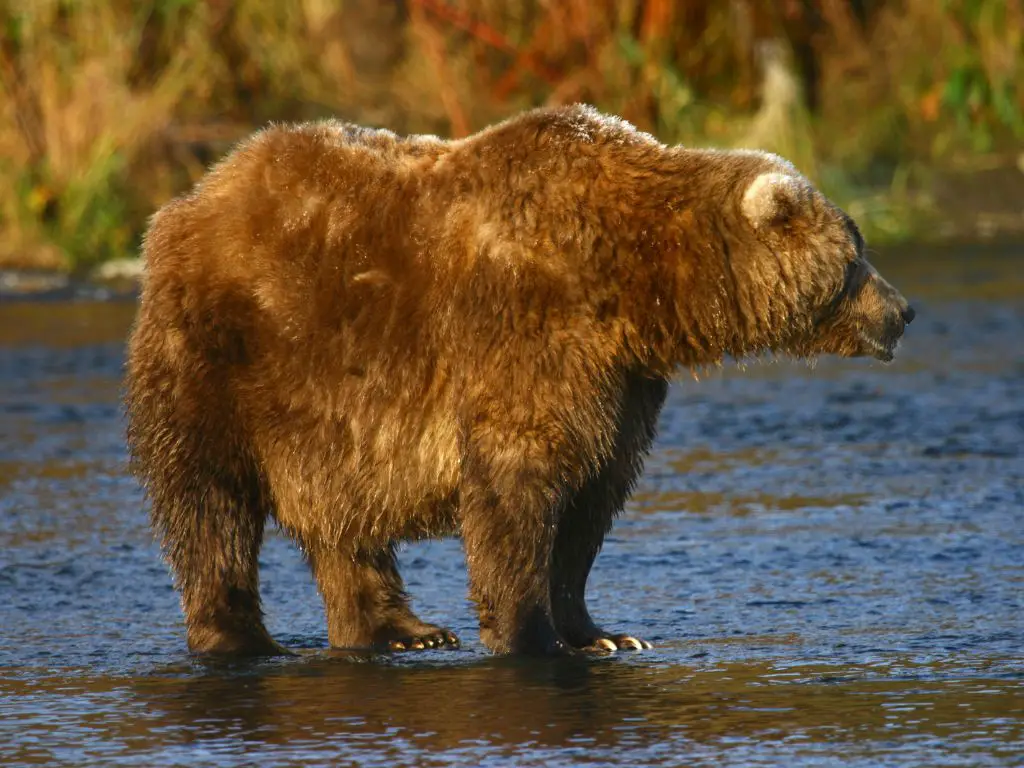
Male Kodiak bears weigh 272–635 kg (600–1,400 lb) and the biggest reach 680 kg (1,500 lb). Females weigh 136–318 kg.…
Conservation & population
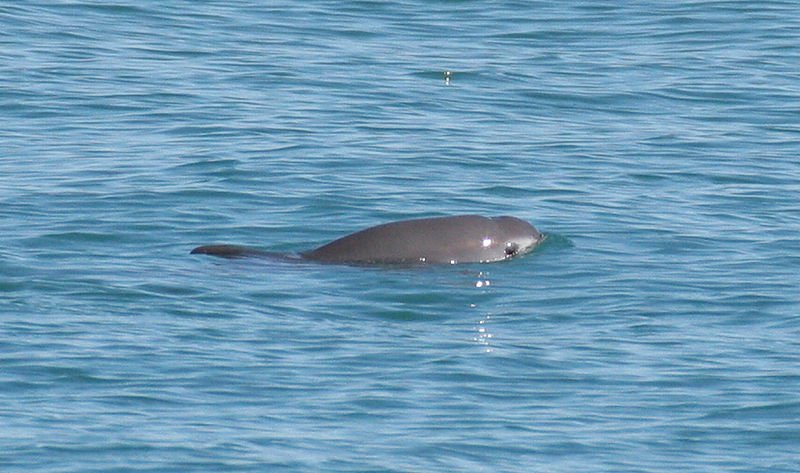
Vaquitas drown in gillnets, mostly illegal nets set for totoaba fish. The 2025 survey saw 7 to 10 of them,…
Conservation & population
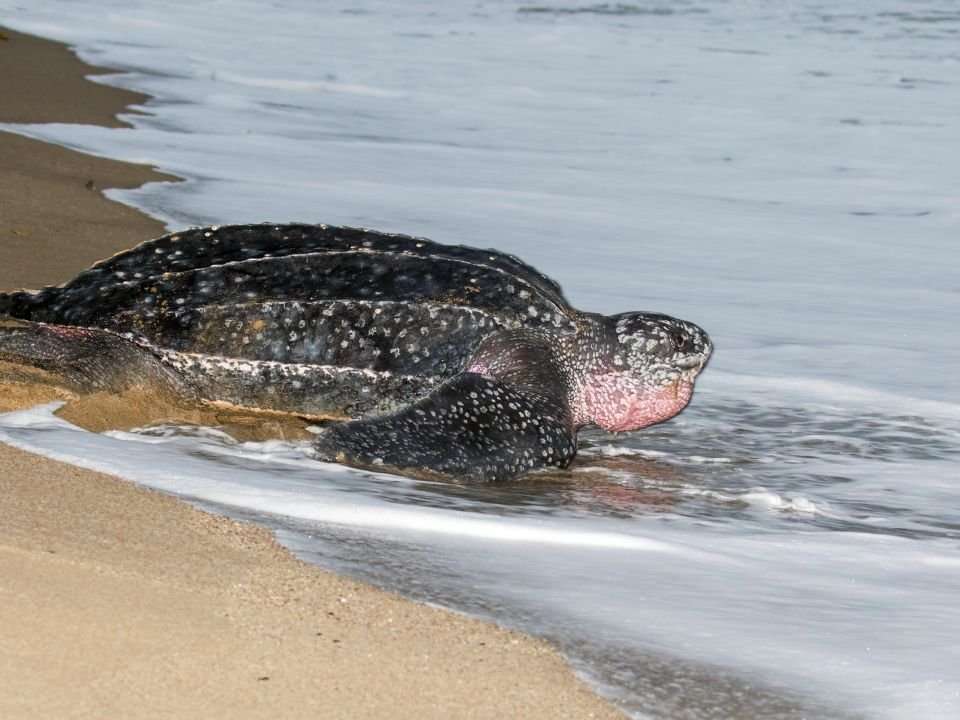
The leatherback sea turtle is the largest of all turtles and is one of the most endangered. They are found…
Anatomy & appearance
No one has published a reliable blue whale tongue length. Here's what scientists do know: the tongue turns inside out…