Adaptations
What color skin do polar bears have?
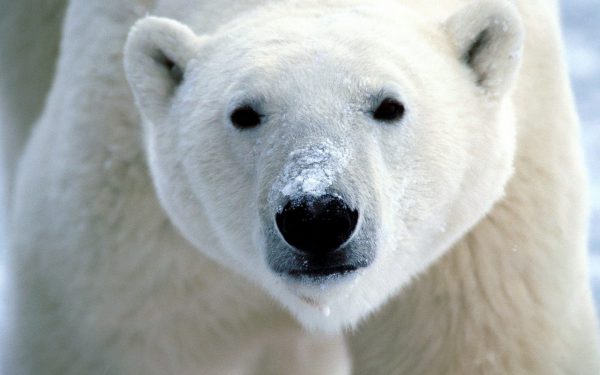
Under their fur, polar bears have black skin. The fur itself is clear and only looks white because it scatters…
Animal
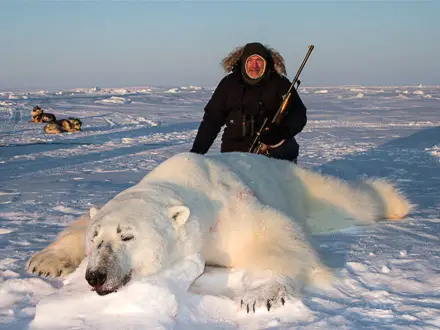
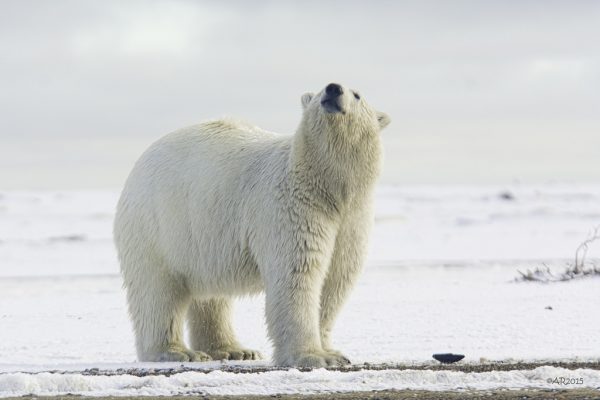
The polar bear, a majestic white giant, is native to the icy Arctic region. As the world’s largest land predator, it’s perfectly adapted to its cold environment with thick blubber and dense fur. Primarily a carnivore, the polar bear’s diet mainly consists of seals. With powerful limbs, it’s an excellent swimmer, often covering long distances in search of food. Despite its strength and dominance in the Arctic, the polar bear is vulnerable due to melting sea ice caused by climate change, which impacts its hunting grounds and habitat. This iconic bear not only symbolizes the beauty of the Arctic wilderness but also the urgent need for conservation efforts in a rapidly changing world.
4 animals20 articles
Adaptations
Under their fur, polar bears have black skin. The fur itself is clear and only looks white because it scatters…
Predators & threats
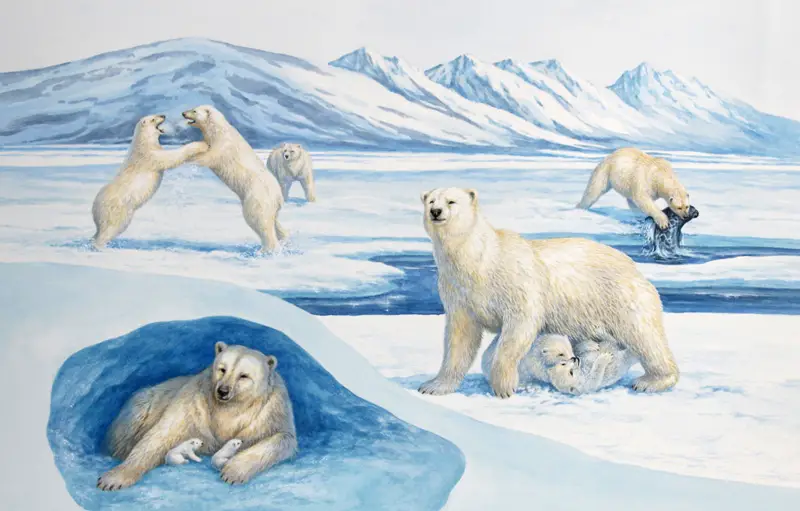
Adult polar bears have almost no predators apart from people and other polar bears. Cubs are sometimes killed by adult…
Life cycle & reproduction
In the subject of Biology, Life Cycle of an organism is defined as the series of changes through which that…
Diet & feeding
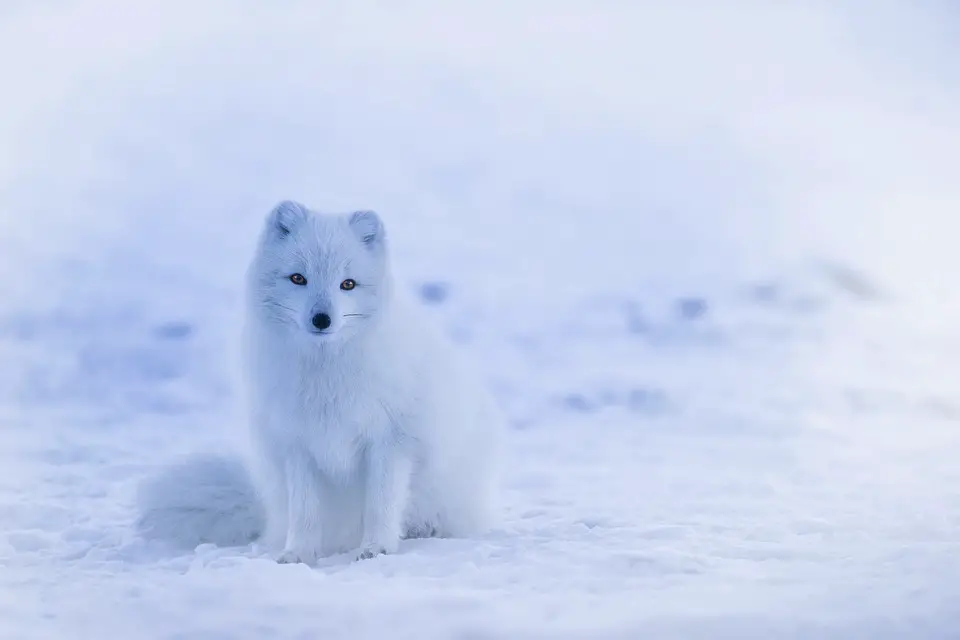
Polar Bears and Arctic Foxes both live in the Arctic region and some areas may share the same habitat. Since…
Anatomy & appearance
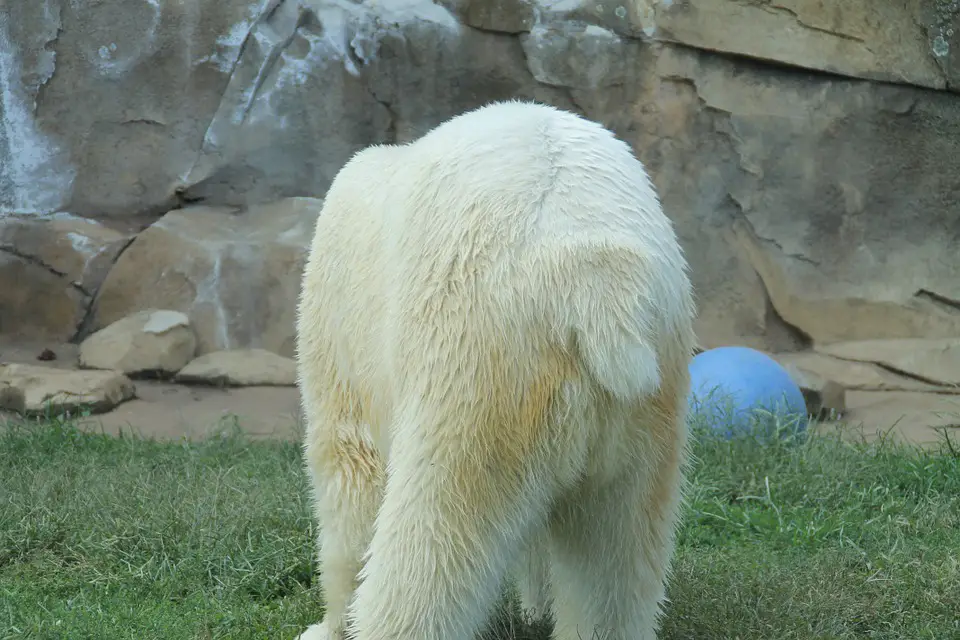
Yes, polar bears have tails, just 7 to 12 cm (3 to 5 in) long. Here is why the tail…
Diet & feeding
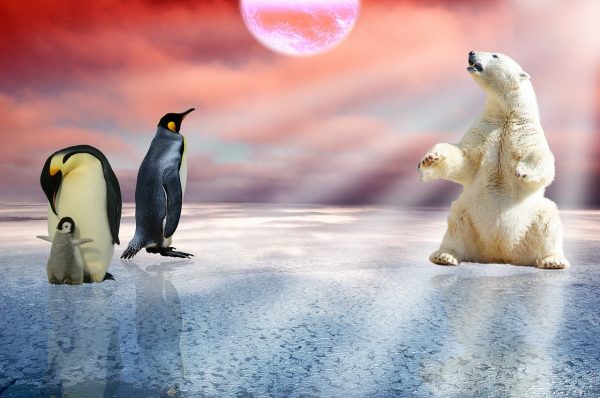
No. Polar bears live only in the Arctic and wild penguins live in the Southern Hemisphere, about 20,000 km away…
Senses
A Polar bear can smell a seal that is at a distance of 32 km i.e. 20 miles away from…
Senses
Eyesight of Polar Bears appears to be same as ours which means that they are able to see as far…