
Diet & feeding
What do Komodo Dragons Eat: A Comprehensive Guide to the Komodo Dragons Diet
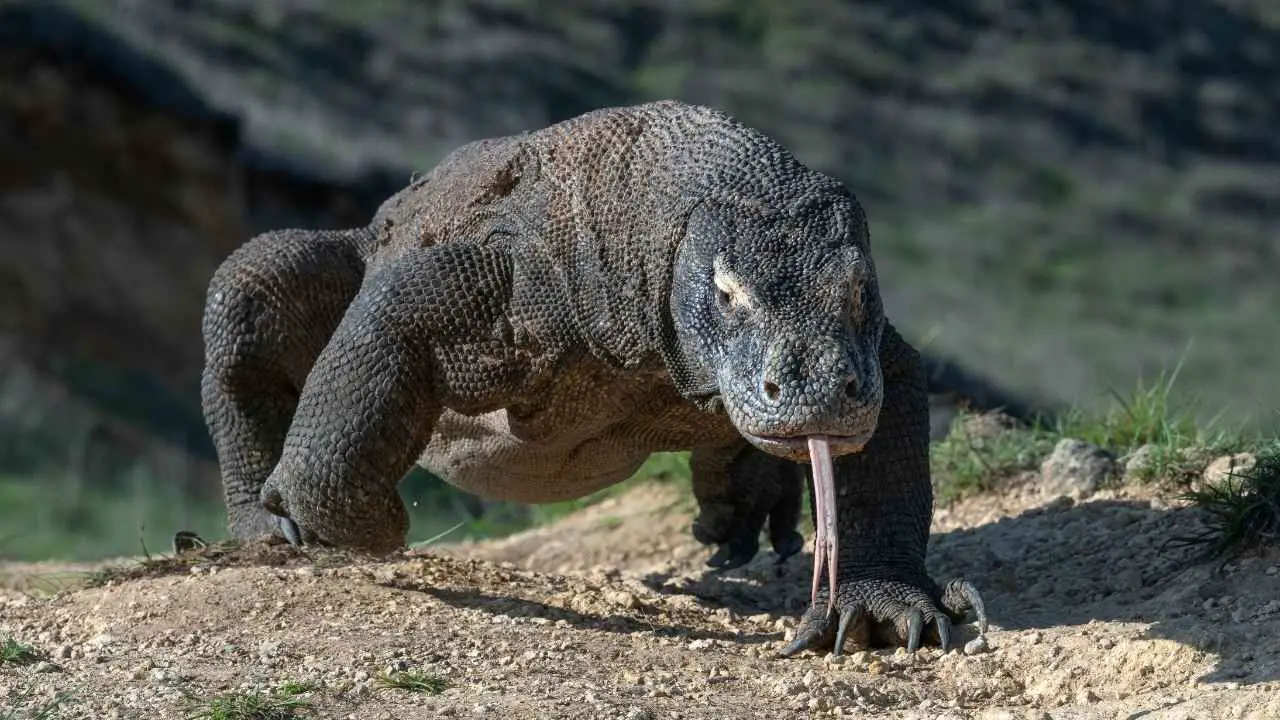
Komodo dragons are the world’s largest living lizards and are formidable carnivorous predators These remarkable reptiles are known for their…
The field guide
Diet & feeding
Komodo dragons are the world’s largest living lizards and are formidable carnivorous predators These remarkable reptiles are known for their…
Life cycle & reproduction
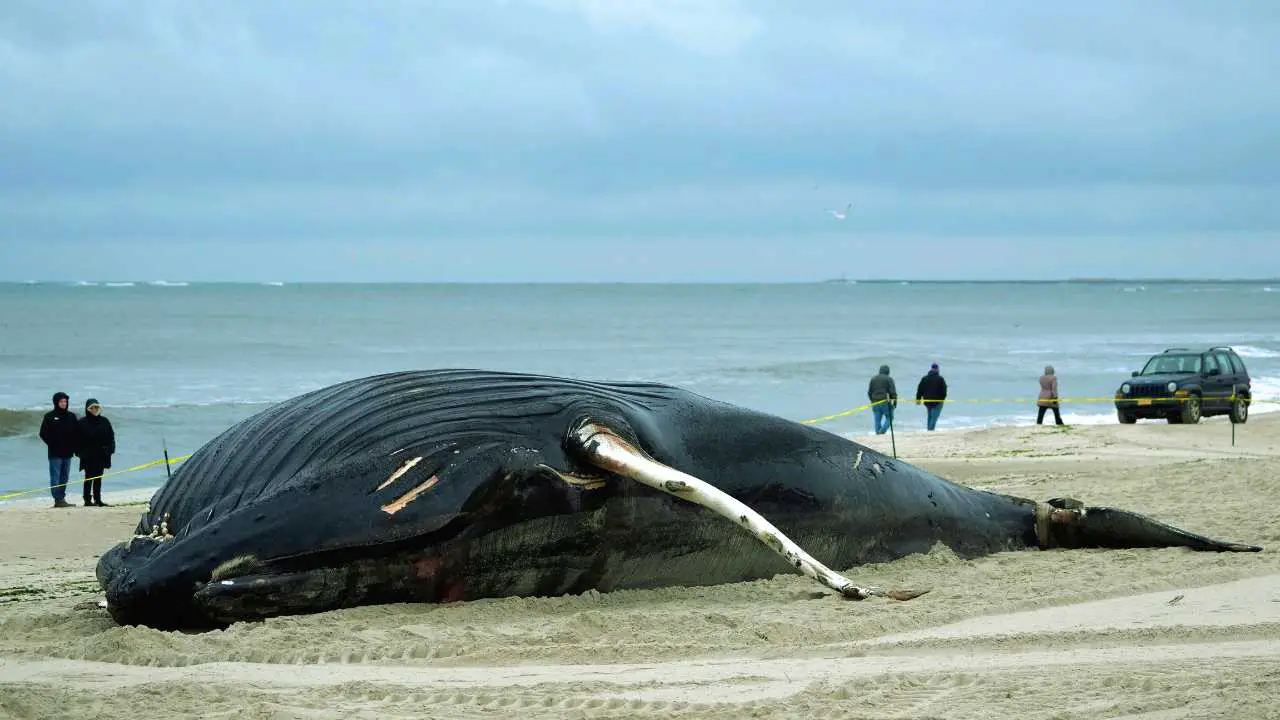
A dead whale sinks, floats or washes ashore. On the deep seafloor it becomes a whale fall that feeds hagfish,…
Senses
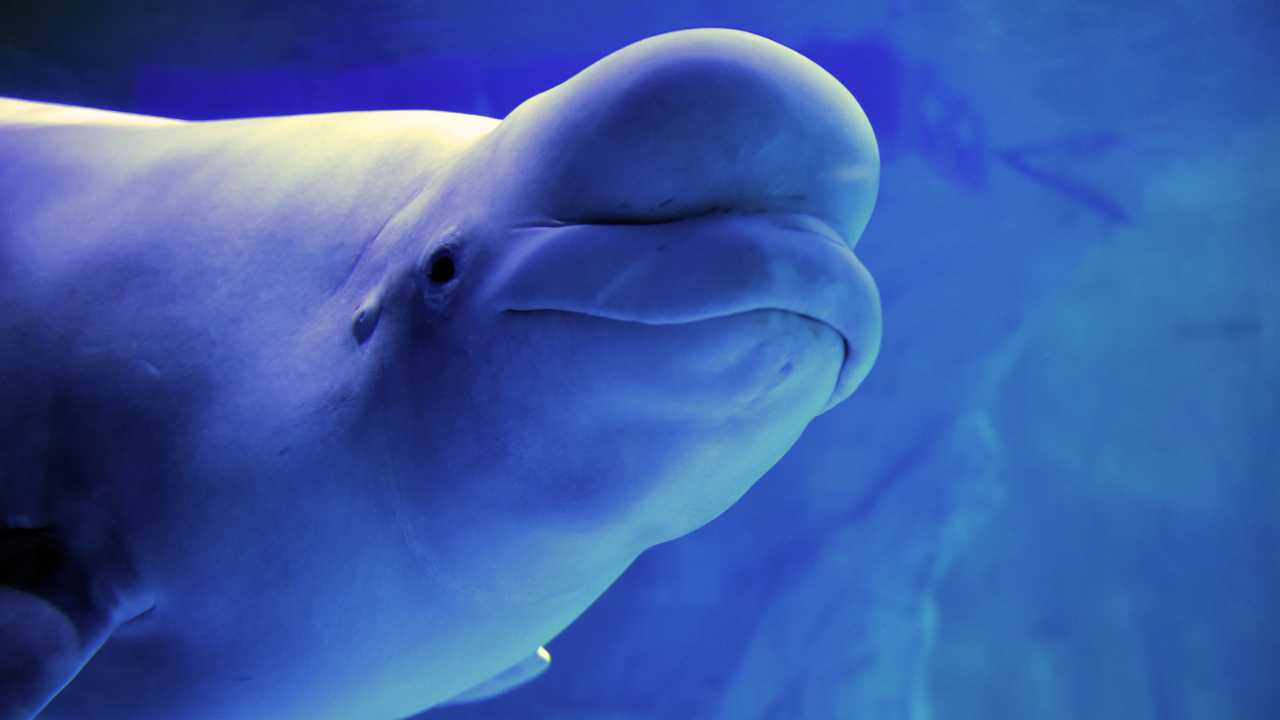
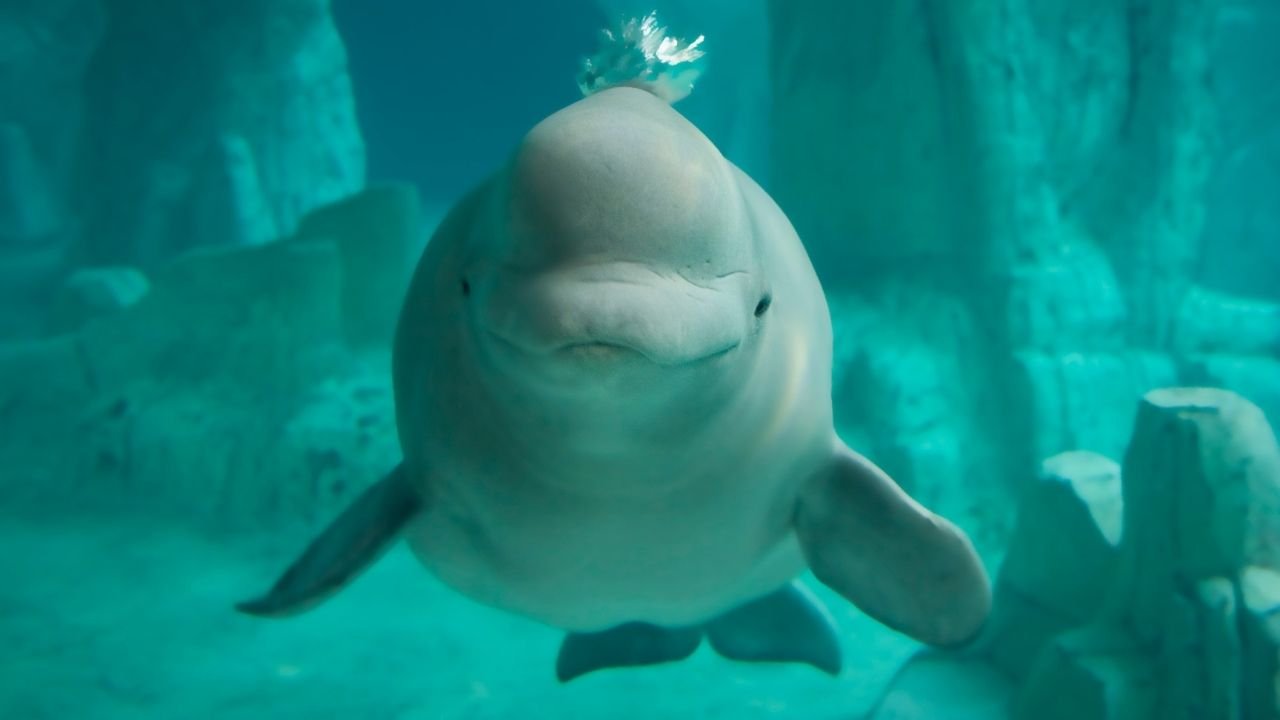
Yes. Belugas send out high clicks through their melon and listen for echoes to find fish and breathing holes in…
Anatomy & appearance
Rhino horns grow back because they are made of keratin and grow from the skin, not the skull. Measured regrowth,…
Predators & threats
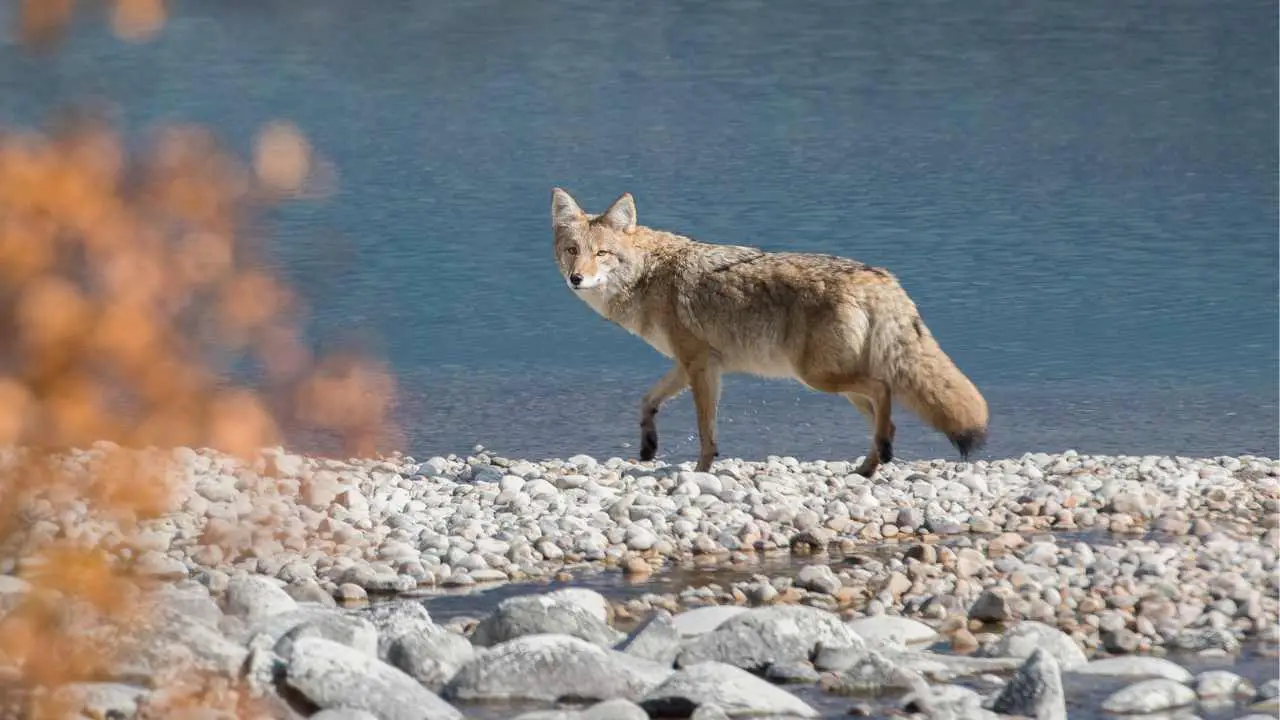
Coyotes are intelligent animals, and they are known for their adaptability and survival skills. Despite being skilled hunters and adaptable…
Speed
The Komodo dragon, the biggest lizard in the world, is an amazing animal noted for its size, power, and distinctive…
Size & weight
Adult belugas average about 1,430 kg (3,150 lb), and big males reach about 1,900 kg. Calves weigh 41–59 kg at…
Predators & threats
Only killer whales are known to hunt blue whales; the first confirmed kills were off Australia in 2019 and 2021.…
Predators & threats
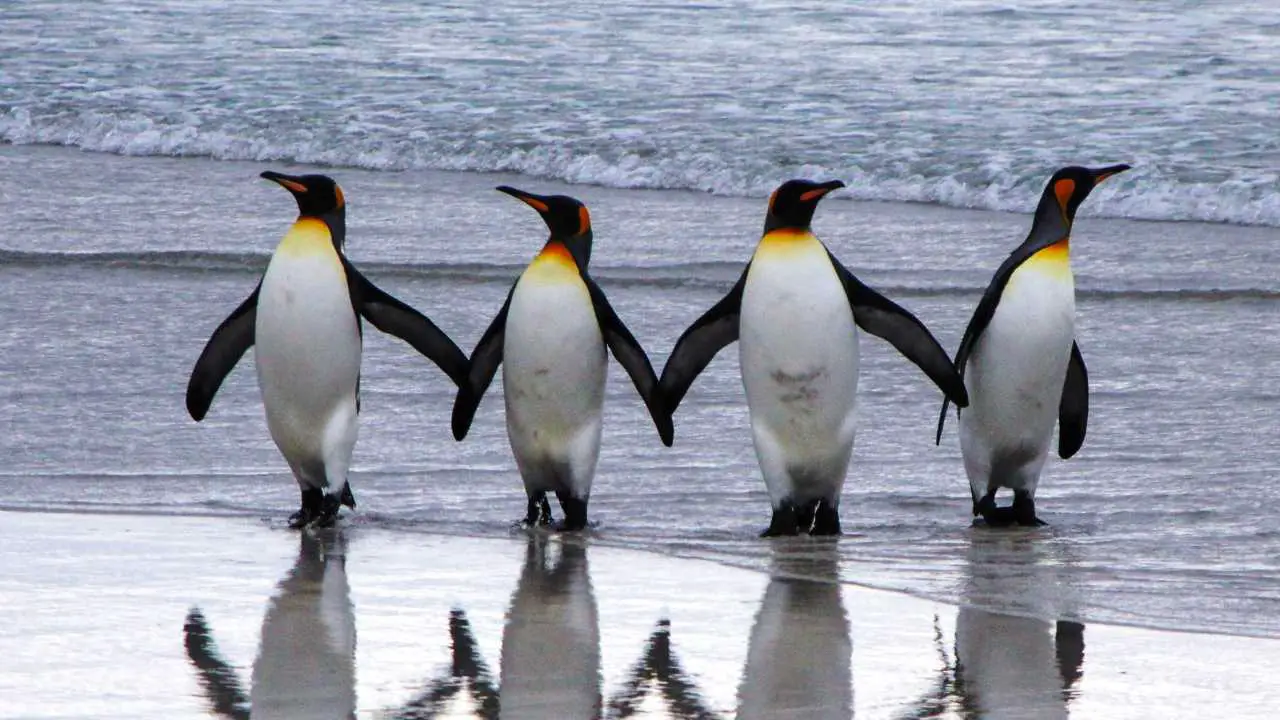
Penguins are flightless seabirds from the order Sphenisciformes and family Spheniscidea. There are 17 to 19 living species of penguins…
Predators & threats
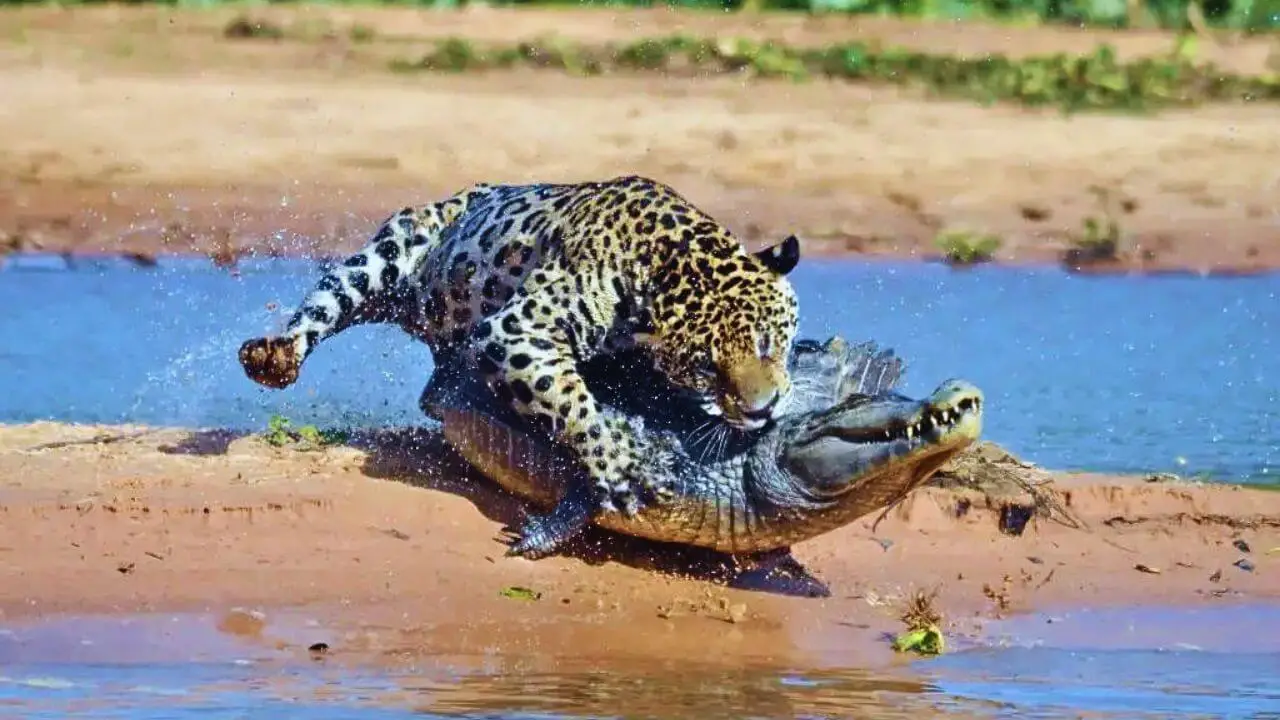
Crocodiles are large-sized semi-aquatic reptiles found in tropical regions of Asia, Africa, the Americas, and Australia. There are 18 living…
Anatomy & appearance
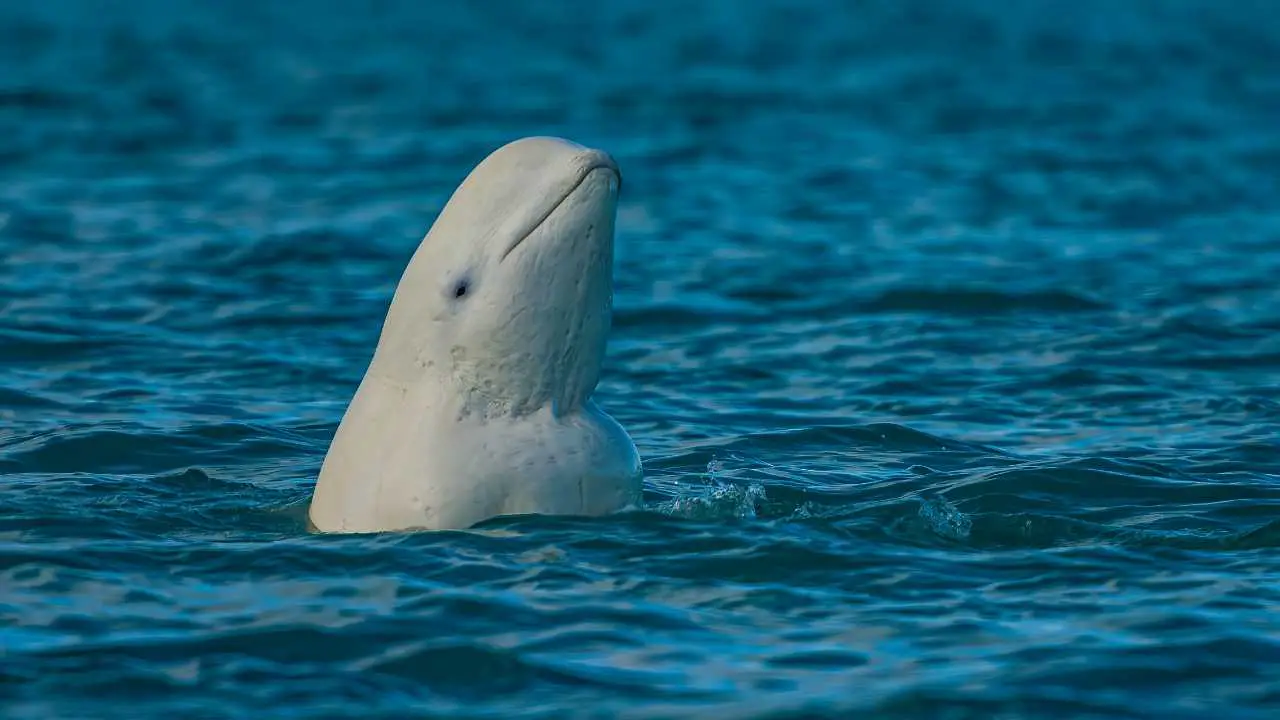
Adult belugas are pure white, 2.6–4.5 m long, with a round, flexible forehead, no dorsal fin and a neck that…
Predators & threats
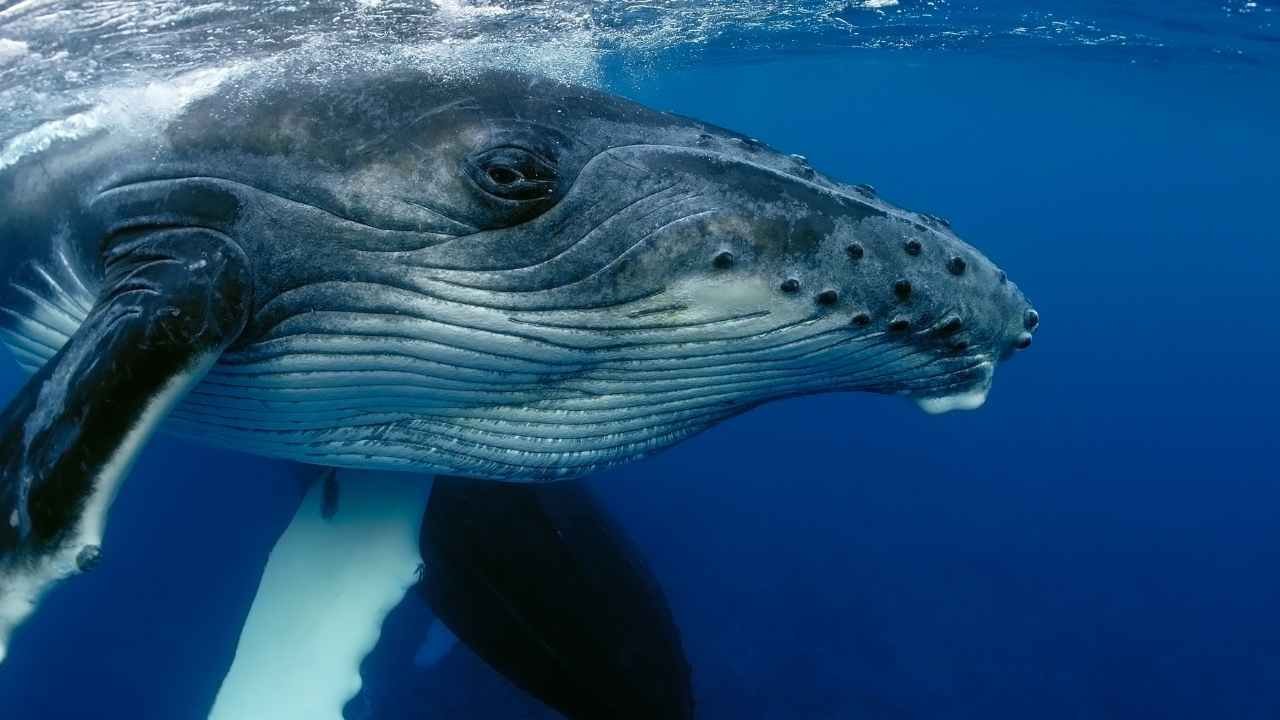
Killer whales are the only regular predators of humpback whales, and they go after calves. Sharks almost never kill a…