Adaptations
Adaptations of a giraffe: how the tallest animal makes its height work
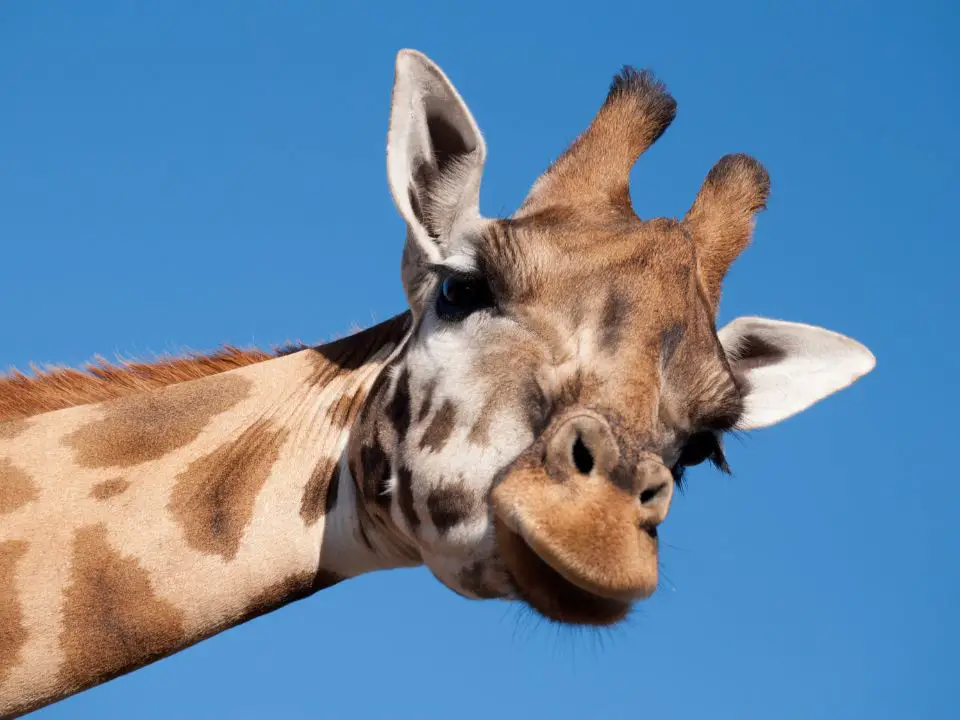
A giraffe's key adaptations are its 1.8 m neck, a heart that pumps at nearly twice human blood pressure, a…
The field guide
Adaptations
A giraffe's key adaptations are its 1.8 m neck, a heart that pumps at nearly twice human blood pressure, a…
Conservation & population
Axolotls are a species of aquatic salamander that is native to Lake Xochimilco and surrounding canals in central Mexico. It…
Diet & feeding
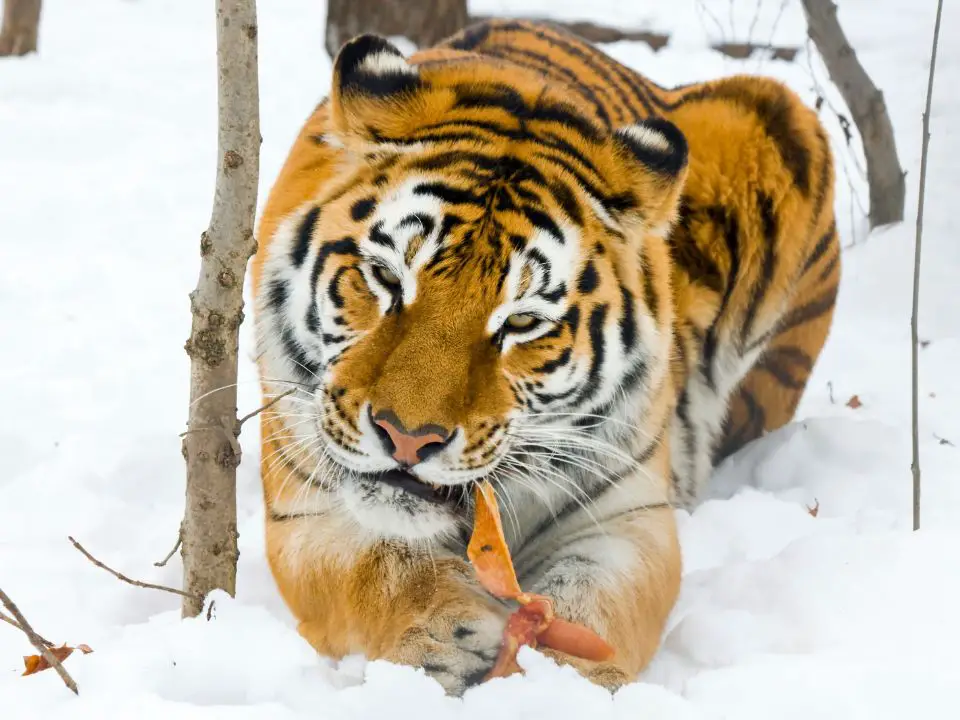
Siberian (Amur) tigers live mainly on wild boar, red deer, roe deer and sika deer, making a kill about once…
Senses
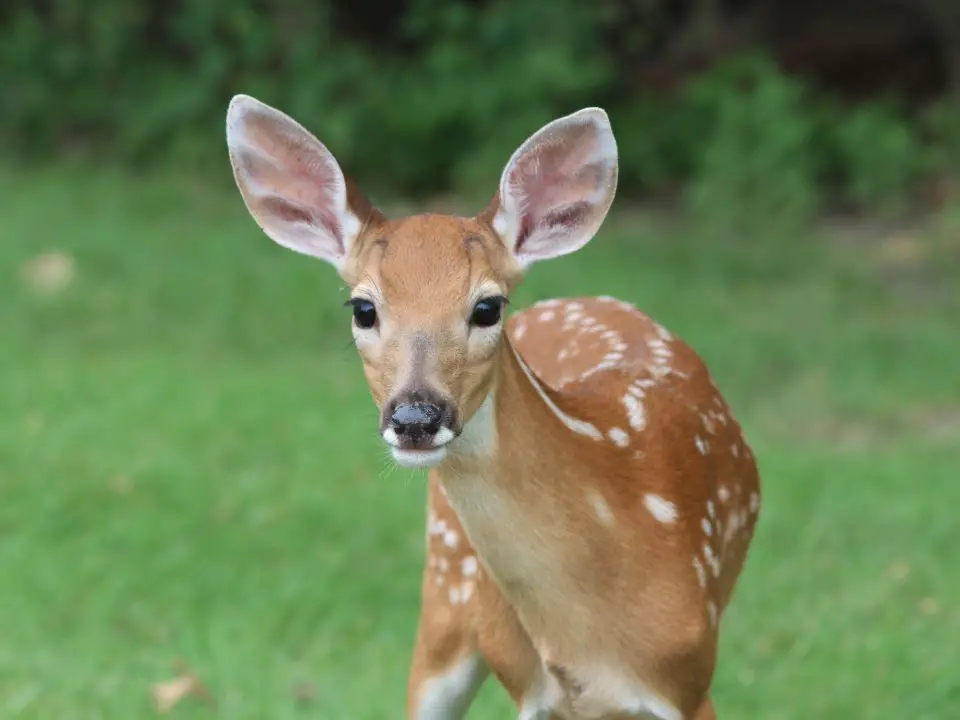
Deer see colors differently than we do, but they are able to see a wider range of colors. This is…
Conservation & population
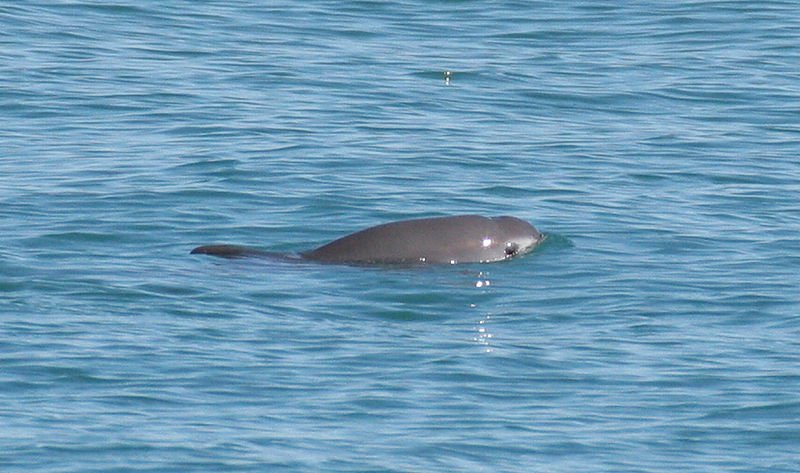
Vaquitas drown in gillnets, mostly illegal nets set for totoaba fish. The 2025 survey saw 7 to 10 of them,…
Conservation & population
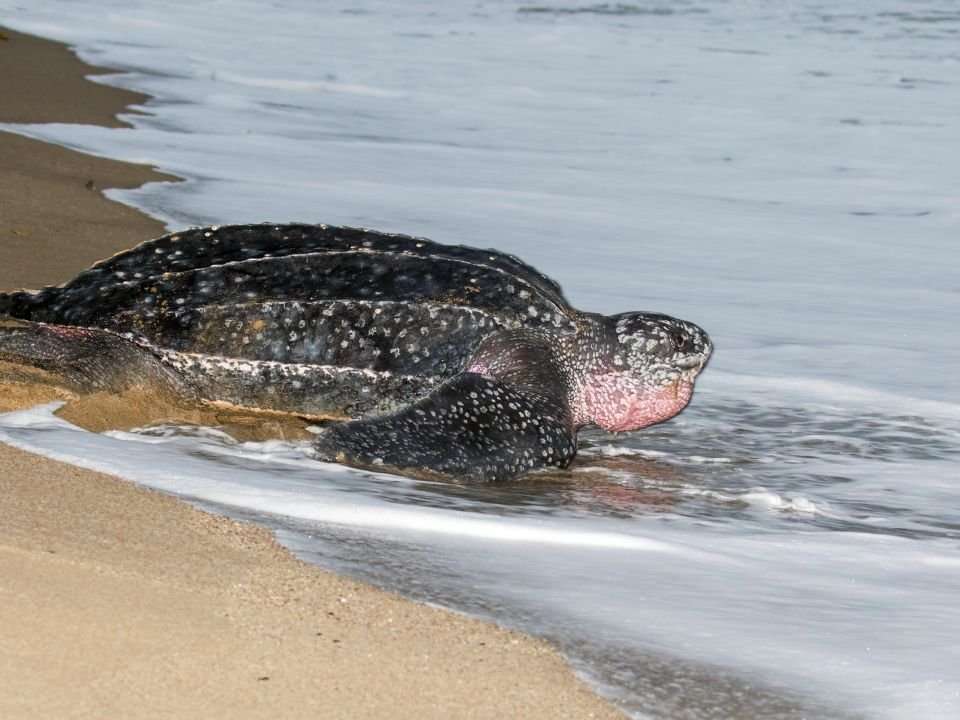
The leatherback sea turtle is the largest of all turtles and is one of the most endangered. They are found…
Records & rankings
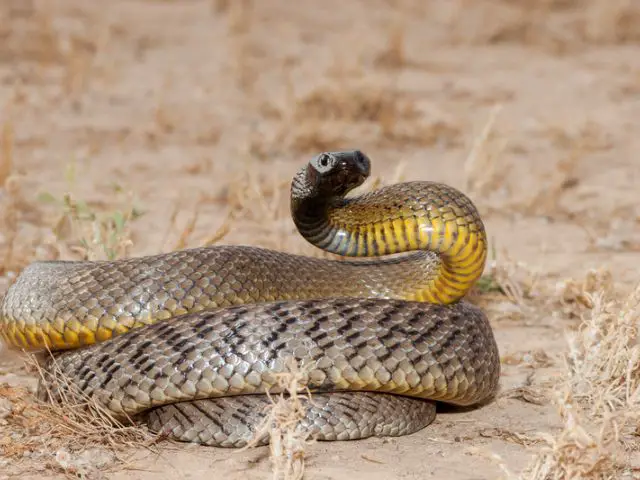
Venomous is a term used to describe an animal that has a poison or venom that it uses to kill…
Speed
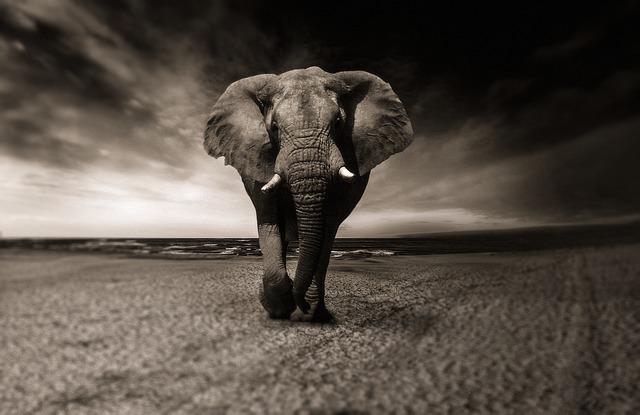
Elephants have been timed at up to about 25 km/h (15 mph). The popular 40 km/h figure for African elephants…
Lifespan
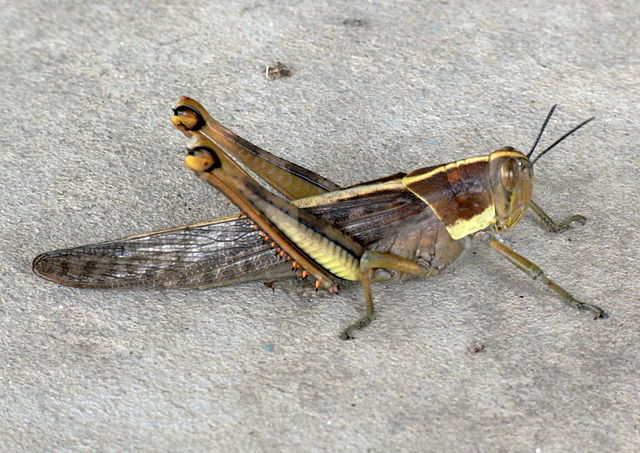
Grasshoppers are common insects found all around the world. Some people do like to keep them as pets and for…
Diet & feeding
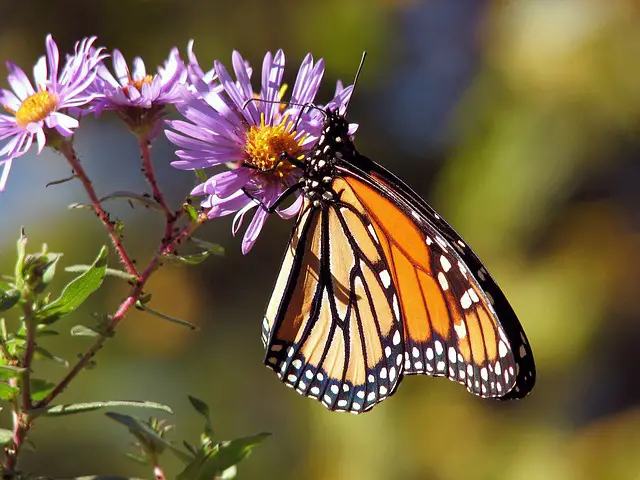
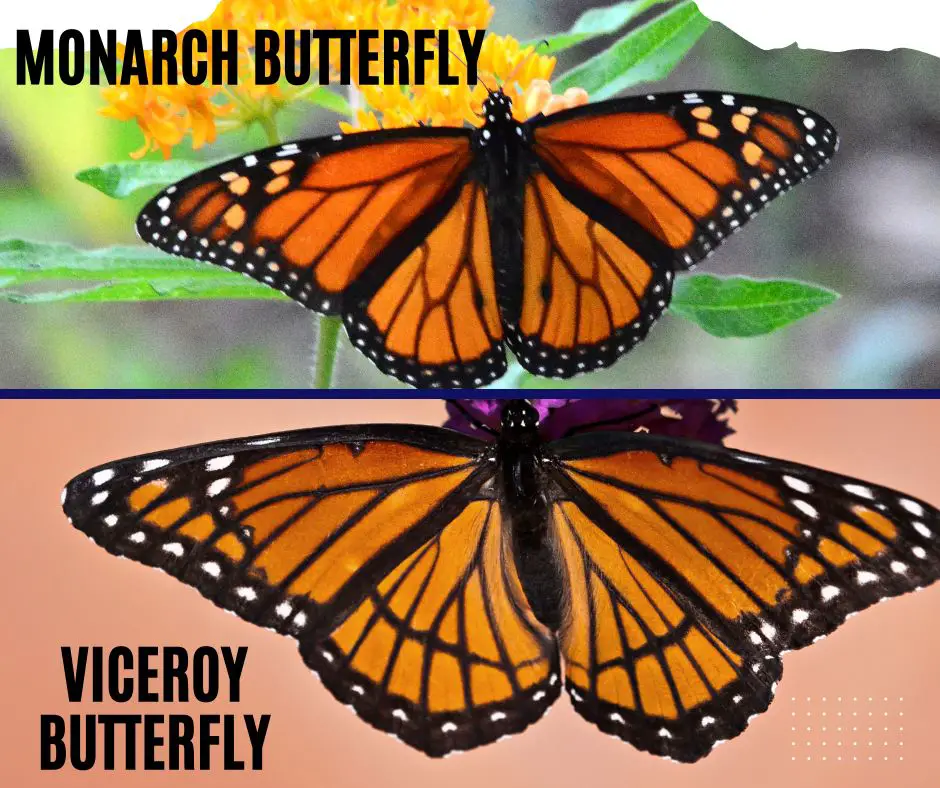
Monarch butterflies are one of the most beautiful and easily recognizable butterflies in the world. These delicate creatures are also…
Adaptations
Animals and insects have adopted various unique techniques in order to survive in the wild. Some adaptations are like super…
Speed
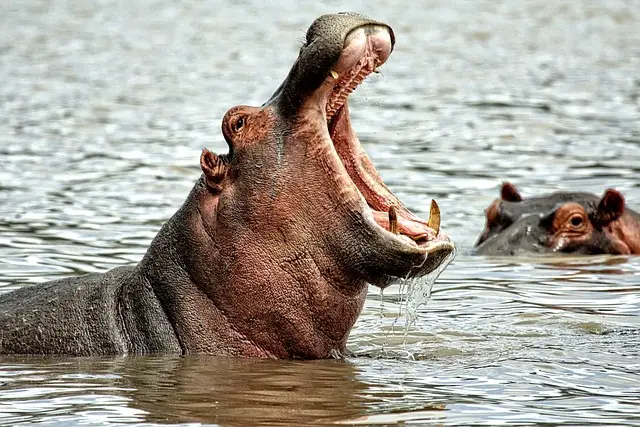
Hippos are often regarded as one of the most dangerous and unpredictable animals in Africa, yet it is also one…