
Conservation & population
Are Moose Endangered – Are moose protected species
Moose are one of the most iconic and fascinating animals of the northern regions of the world. These majestic animals…
The field guide
Conservation & population
Moose are one of the most iconic and fascinating animals of the northern regions of the world. These majestic animals…
Anatomy & appearance
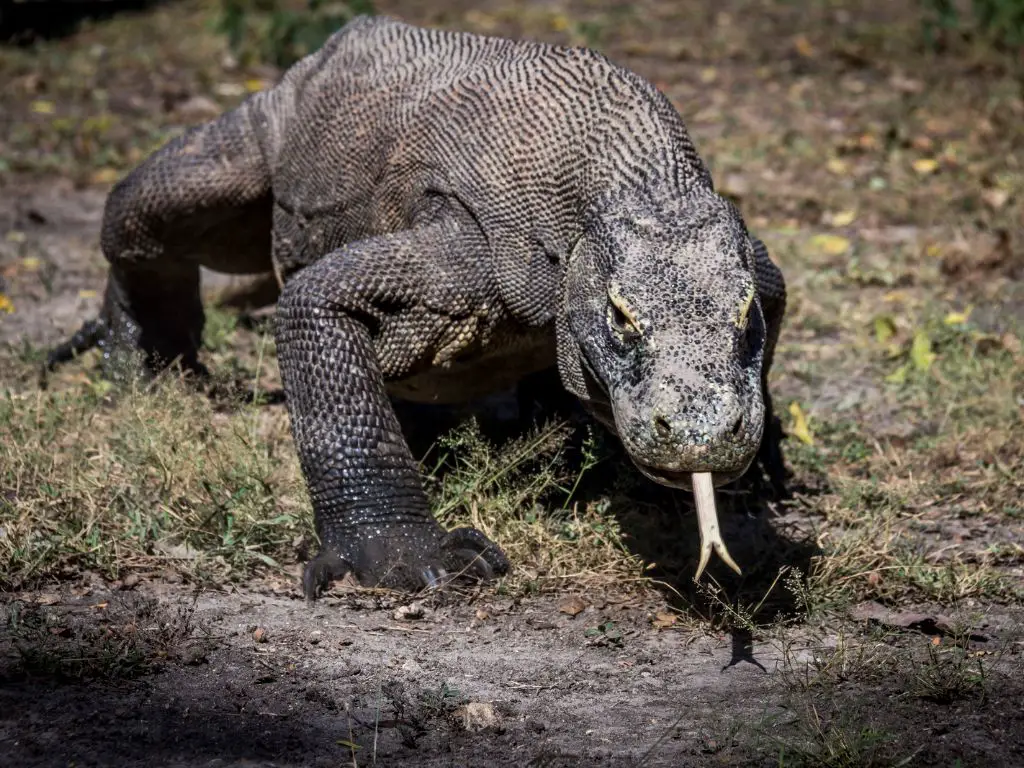
Komodo dragons are some of the most fascinating creatures on Earth. With their massive size and unique appearance, they have…
Habitat & range
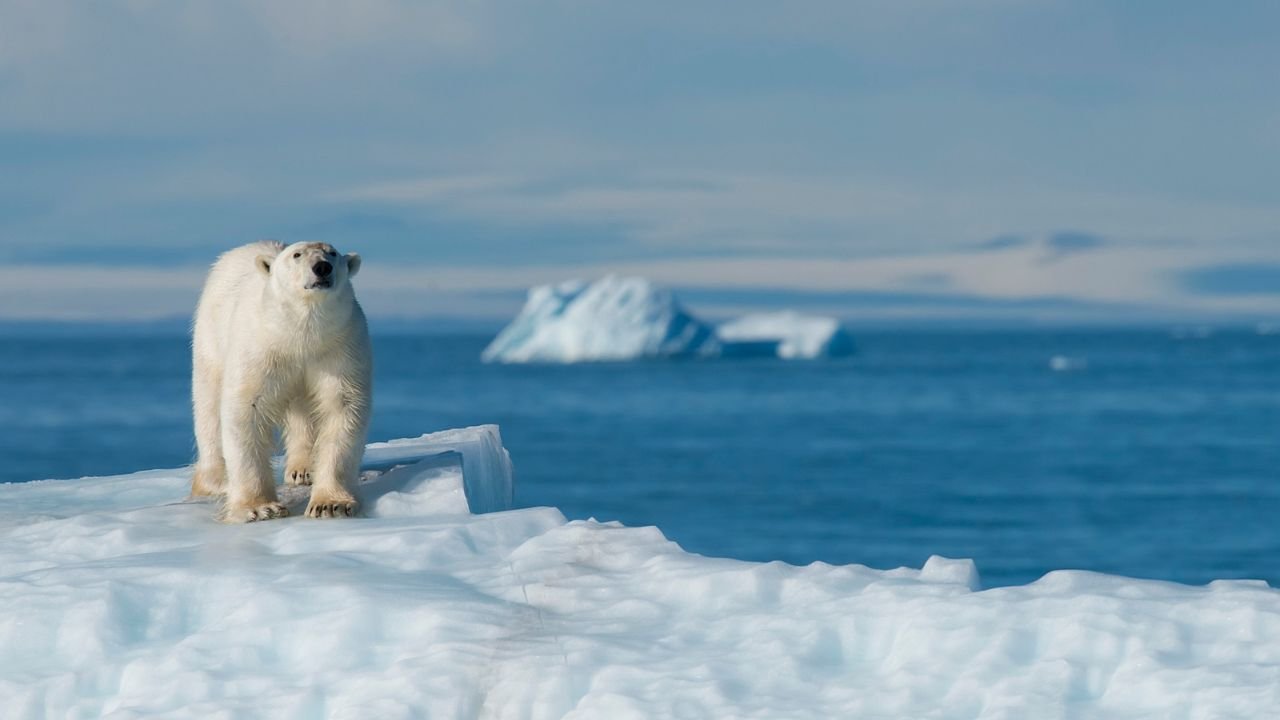
Polar bears live only in the Arctic, on sea ice across five countries. Canada has about 16,000 of them, Alaska…
Lifespan
Wild polar bears live 15 to 18 years on average, and females often reach 20 to 25. The oldest known…
Diet & feeding
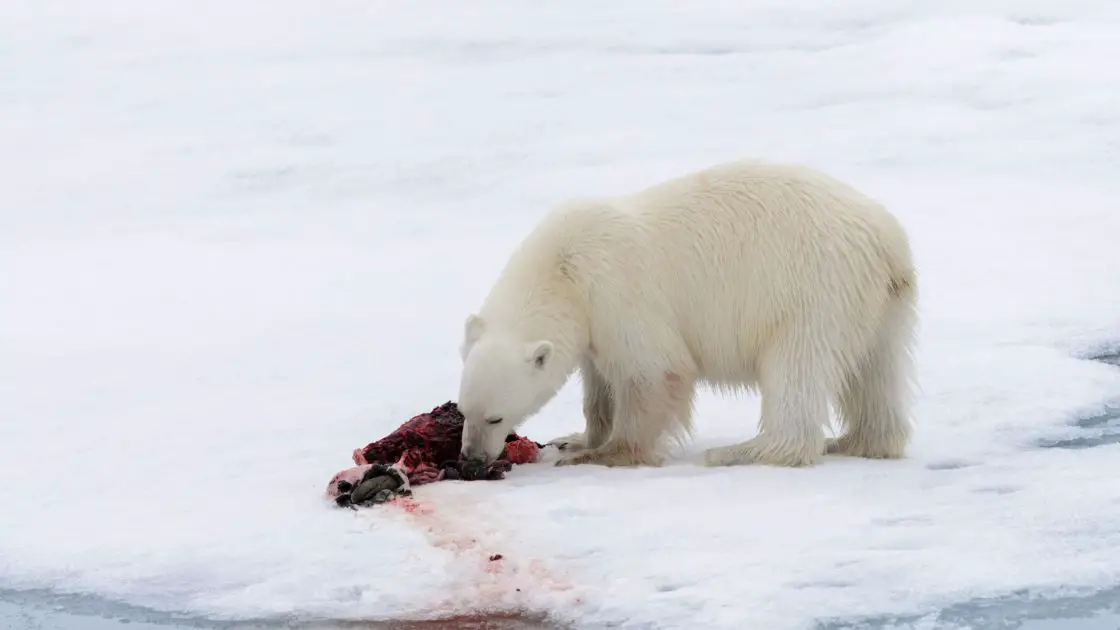
Polar bears live mainly on ringed and bearded seals, and often eat only the fatty blubber. Fish, birds, eggs and…
Comparisons
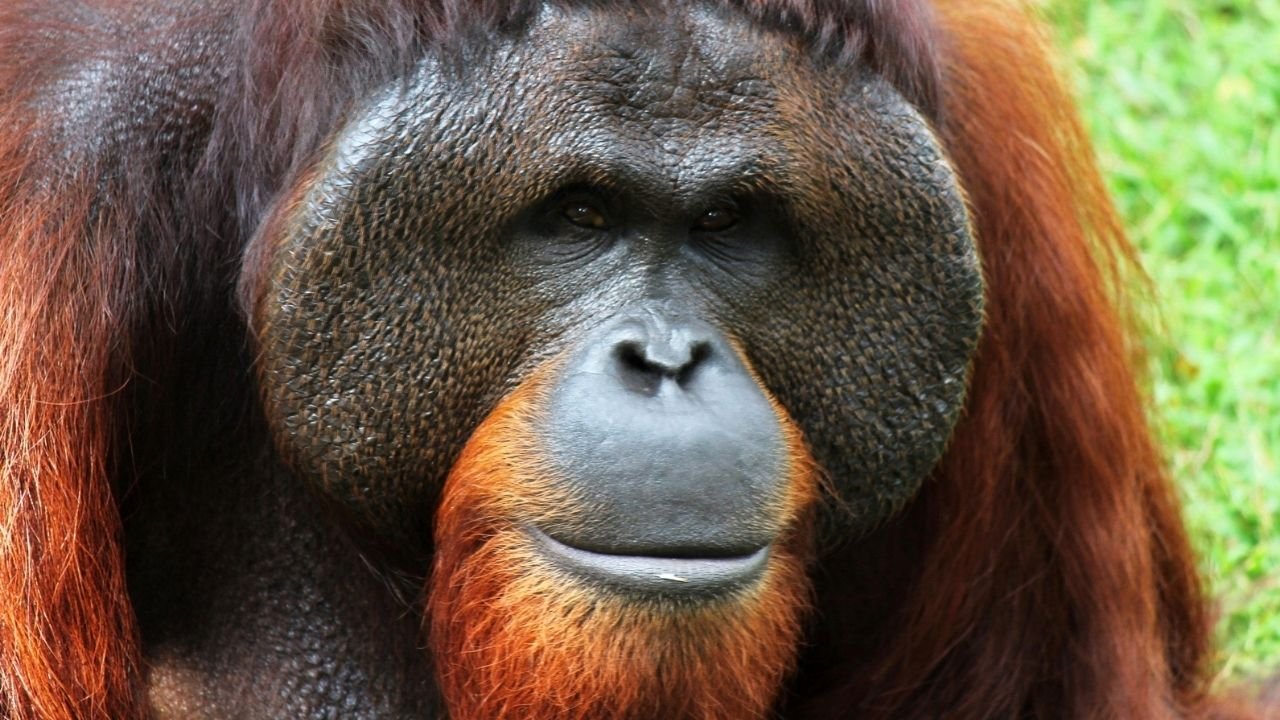
An adult male orangutan weighs 77–100 kg and can hang and climb all day on arms longer than a person…
Strength & bite force
The short answer No scientist has published a measured bite force for the cane corso. The popular “700 psi” figure…
Speed
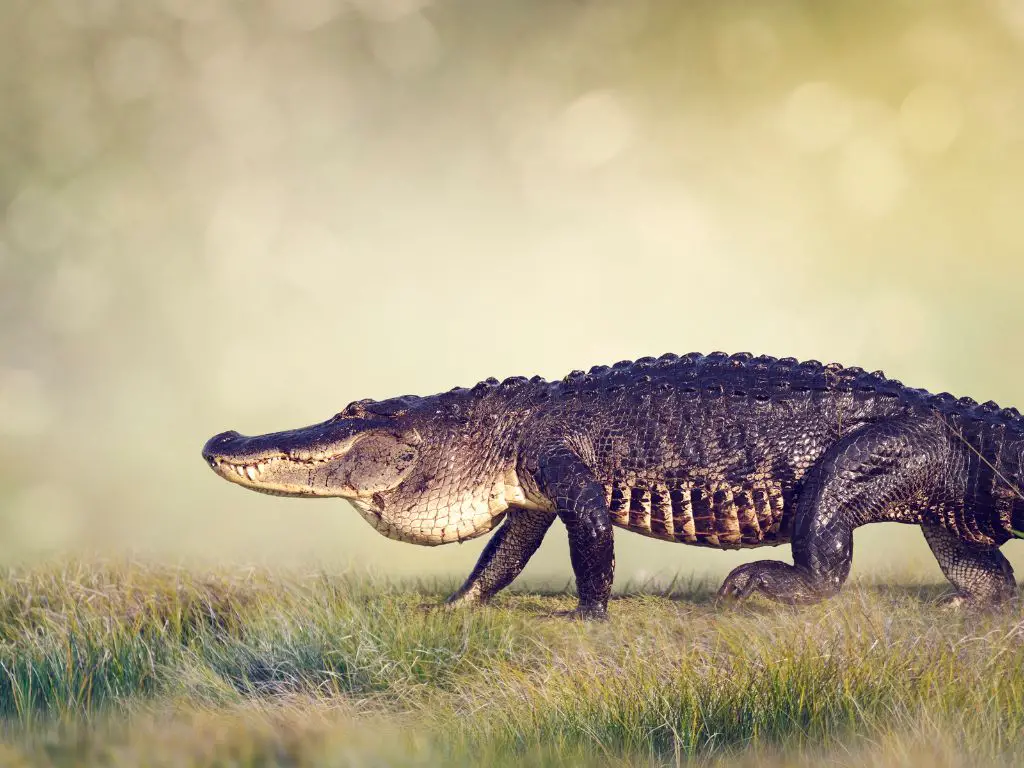
Alligators are one of the most impressive creatures in nature. These apex predators have been a part of the world’s…
Size & weight
An adult finger monkey, or pygmy marmoset, has a 12–16 cm body, a longer tail and weighs 85–140 g. Scientists…
Life cycle & reproduction
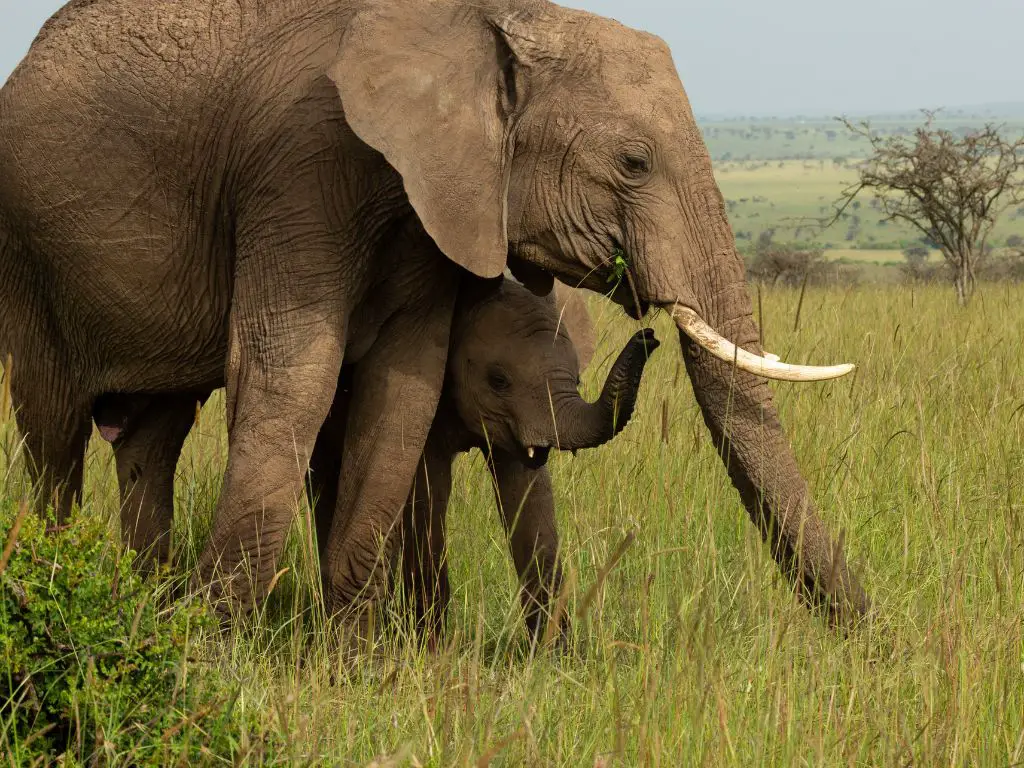
Elephants are pregnant for about 18 to 22 months, with a measured average of about 640 days. It is the…
Conservation & population
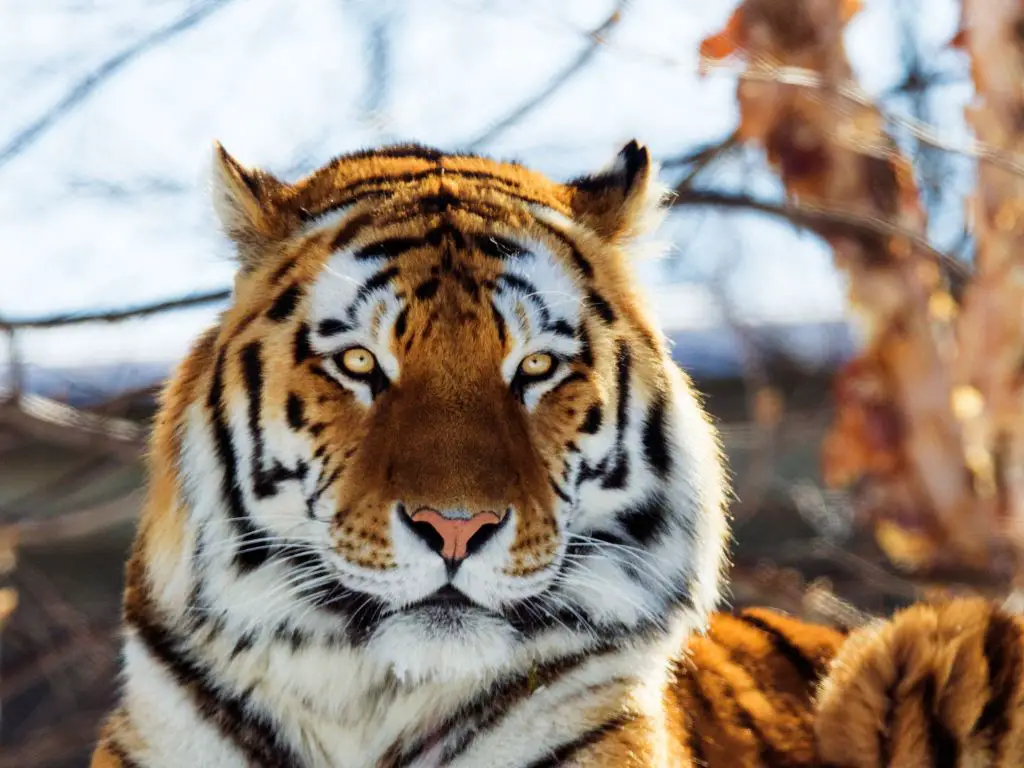
Poaching is the main reason Siberian (Amur) tigers are endangered, followed by a shortage of prey, roads and disease. About…
Conservation & population
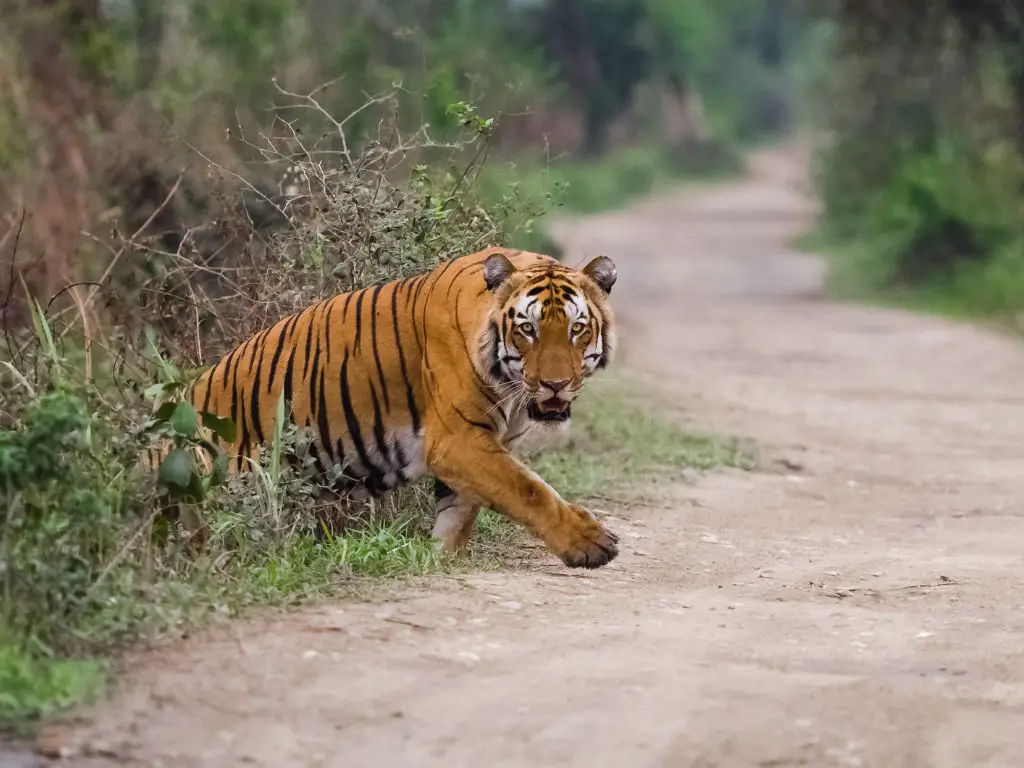
Bengal tigers are Endangered (IUCN 2022), not critically endangered. India, Nepal and Bangladesh have all counted more tigers in their…