

Dogs rarely become healthier because of one major decision. In most cases, health develops slowly. It comes from everyday choices that are repeated so often they barely record or notice anymore. Feeding times, walks, rest, and basic healthcare all blend into routine, yet they shape how a dog copes with age, pressure, and physical change.
Veterinary experience has shown this pattern again and again. Dogs living with predictable routines usually manage stress better and place less strain on their bodies. When care is steady and sensible, many problems never reach the point where treatment is needed.
Nutrition and Why Routine Often Works Best
Food affects almost every part of a dog’s body, but more variety does not automatically mean better health. Once growth is complete, most dogs respond better to regularity. Digestion, muscle maintenance, and immune response all rely on consistent intake rather than frequent change.
Switching food without a clear reason often causes disruption. Appetite may drop, stools may loosen, and energy levels can fluctuate. Because of this, feeding plans for mature dogs tend to focus on balance and appropriate portions instead of constant adjustment. In a stable routine, adult dog food is commonly used when the goal is to maintain condition and energy rather than support growth.
Movement That Supports Mobility
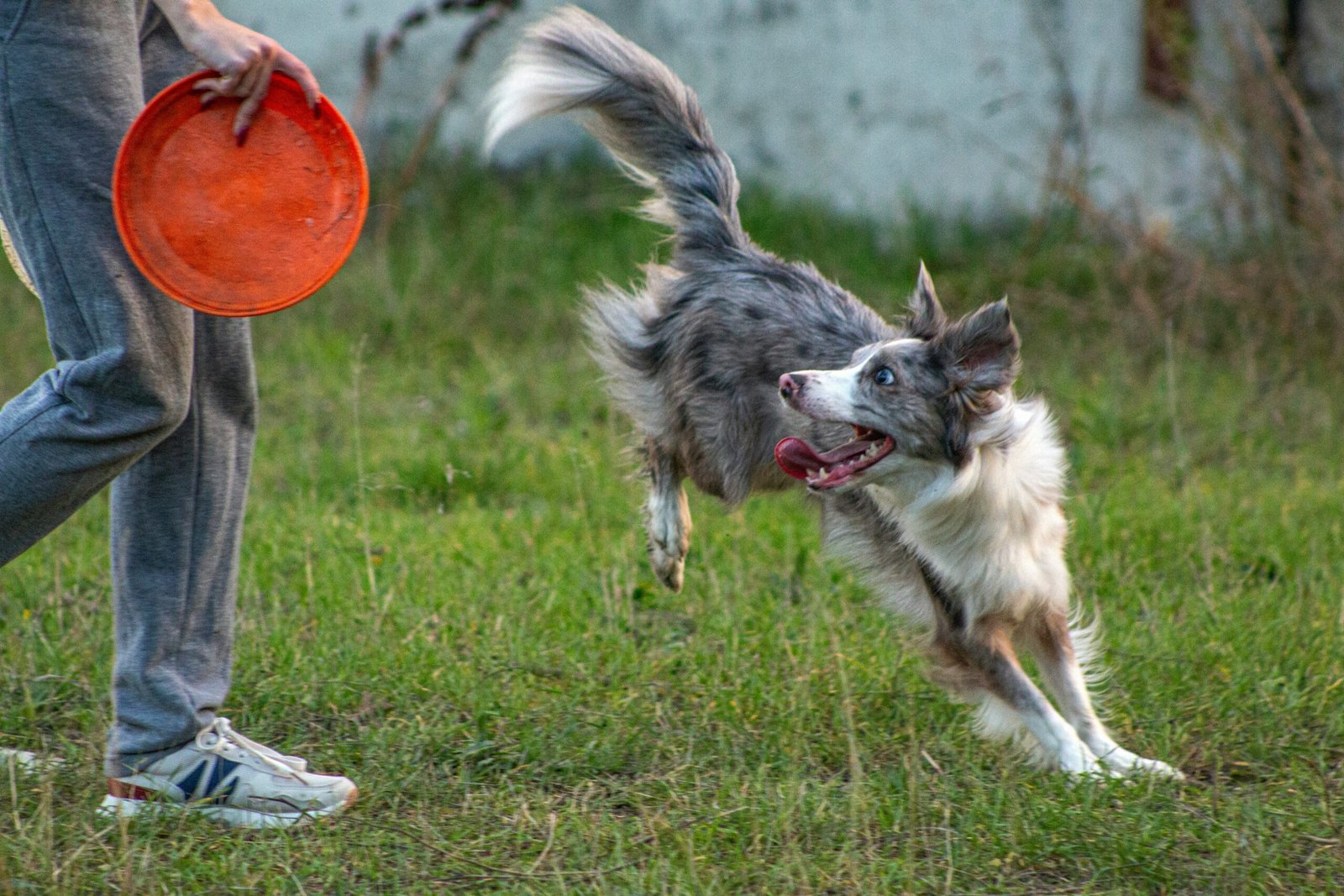
Exercise influences far more than body weight. It keeps joints moving, maintains circulation, and helps muscles do their job as dogs get older. Even so, activity levels vary widely between dogs. Size, build, and past injuries all matter.
Too little movement leads to stiffness and weakness. Too much impact, especially on hard ground, can wear joints down faster than expected. Regular walks, varied routes, and controlled play usually support mobility better than intense or repetitive exercise.
Preventive Care and Early Signs
Many health problems in dogs develop quietly. Early signs are easy to miss, particularly when behaviour seems normal. One typical example is dental problems. Plaque accumulation and gum inflammation may go undetected until discomfort is clear and obvious.
Vaccinations, parasite management, and routine veterinary examinations are still crucial. Early detection of problems minimises suffering and prevents more serious intervention later, according to advice from Animal Care Center. Changes seen at home, such as stiffness, weight changes, or coat quality, might potentially indicate that something needs to be addressed.
Mental Stimulation and Behaviour
Mental wellbeing plays a bigger role in physical health than is sometimes assumed. Dogs that are understimulated may become restless or withdrawn, even if their physical needs are met. This can happen at any age.
Simple activities that involve learning or scent work help maintain focus. Short training sessions, enrichment tools, and exposure to new but controlled environments all support emotional stability. Dogs that stay mentally engaged often adapt more easily to change and show fewer stress-related behaviours.
Environment, Routine, and Stress
Dogs are very sensitive to their environment. Unnecessary stress can be prevented or overcome through consistent rest places, familiar walking routines, and regular feeding times. But when prolonged, even mild stress can impair immunity and exacerbate inflammation.
Small environmental adjustments frequently have a noticeable and clear impact. Dogs can settle in more readily with quiet rest areas, less disturbances, and well-defined family routines. Stable settings are still linked to improved long-term health, according to research supported by the RSPCA.
Health Built Through Everyday Care
Good health rarely comes from isolated actions. It develops through habits that reinforce one another over time. Nutrition, movement, healthcare, mental stimulation, and environment all influence one another, even when addressed separately.
As veterinary understanding advances, preventive care remains central. When daily routines are realistic, consistent, and adjusted when necessary, dogs are more likely to remain comfortable, mobile, and settled well into later life.




Leave a Reply