
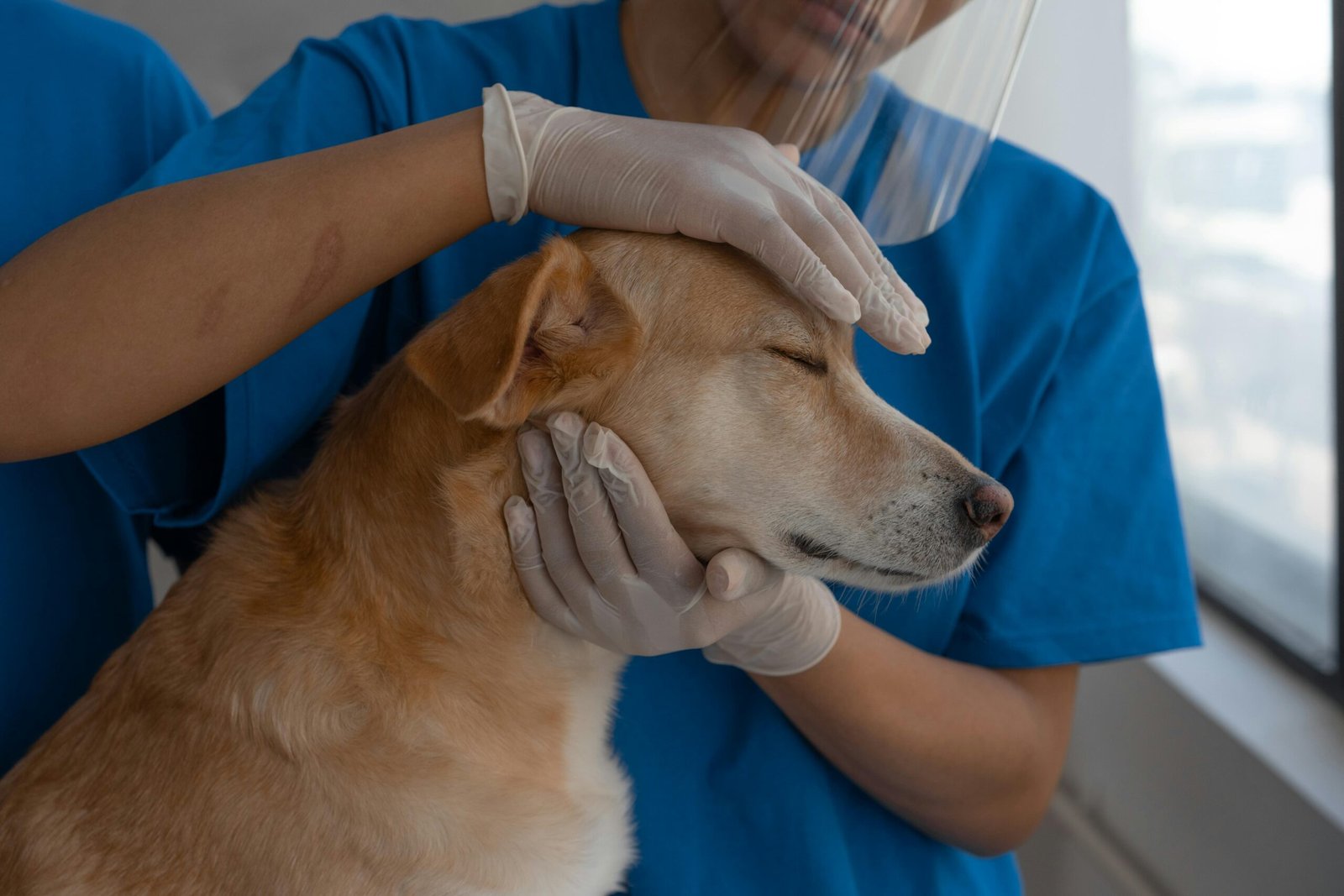
Good canine health is rarely the result of one dramatic choice. It is built quietly through routines that repeat every day: consistent feeding, appropriate movement, mental engagement, and preventive care. Over time, these habits influence how a dog handles stress, aging, and physical change.
For most adult dogs, stability is more beneficial than constant adjustment. When routines are predictable, it becomes easier to maintain health and notice when something is wrong.
At-a-glance: healthy daily routine for dogs
This checklist reflects commonly recommended care practices and can be adjusted for age, breed, and individual needs.
-
Meals: consistent timing, measured portions
-
Water: clean, unrestricted access
-
Exercise: daily walks plus light play
-
Mental stimulation: short training or enrichment
-
Rest: a quiet, familiar sleeping area
-
Observation: appetite, stool quality, movement, energy level
Feeding adult dogs: why routine supports digestion and health
After maturity, most dogs benefit from a stable feeding plan. Digestive systems adapt to consistency, making nutrient absorption more efficient and helping caregivers detect changes early.
Key feeding principles
-
Feed at the same times each day
-
Measure portions rather than estimating
- Use a complete adult dog food formulated for maintenance
-
Avoid frequent food changes without a clear reason
-
Transition gradually when changes are needed
Frequent food switching can lead to loose stools, reduced appetite, and unnecessary digestive stress.
Exercise and mobility: maintaining movement without overuse
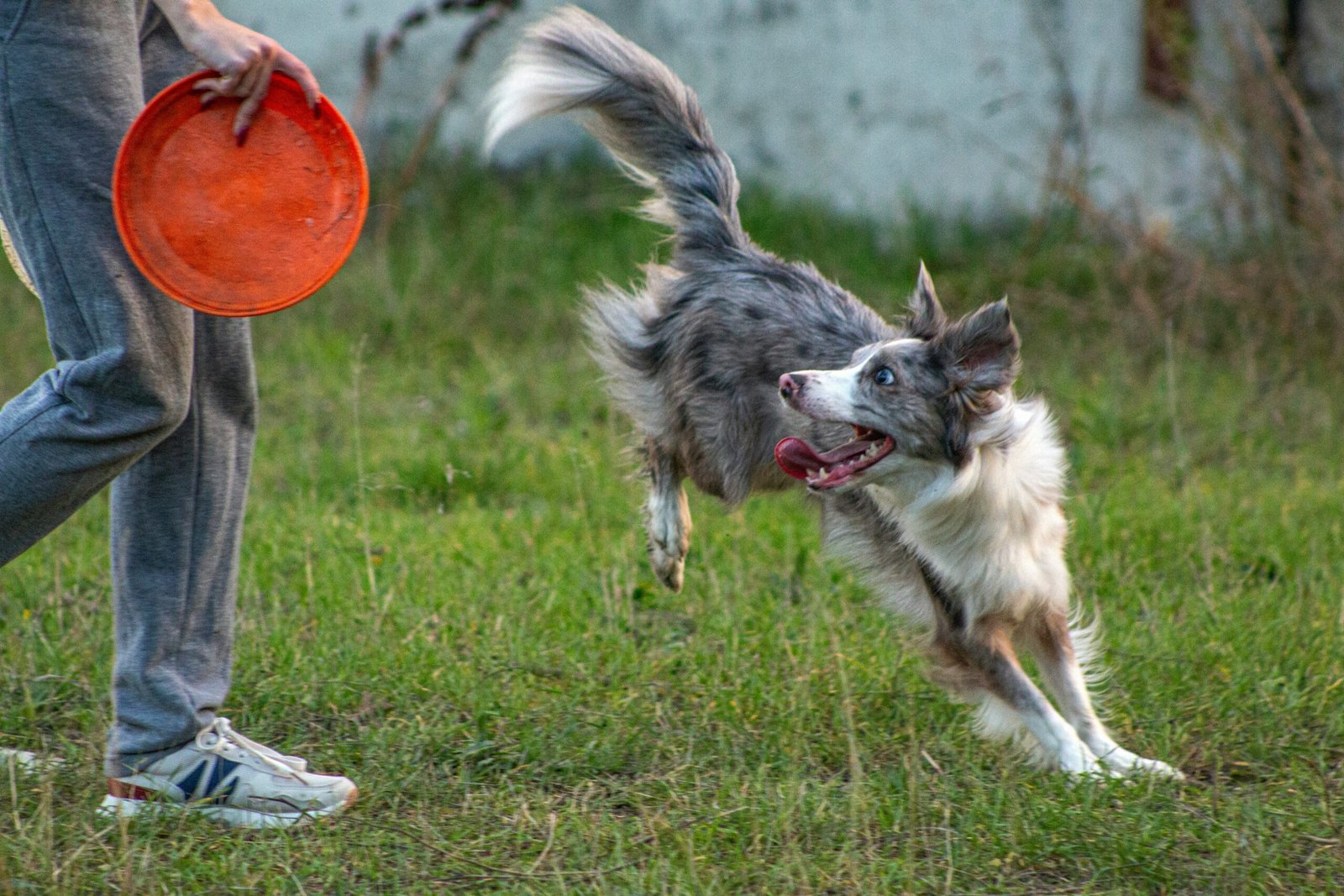 Movement supports joint health, muscle tone, circulation, and balance. However, exercise needs vary widely depending on size, structure, age, and prior injury.
Effective exercise habits for dogs
-
Prioritize daily movement over occasional intense activity
-
Choose low-impact exercise for long-term joint support
-
Vary walking routes to reduce repetitive strain
-
Adjust duration and intensity as dogs age
Early signs of mobility strain
-
Stiffness after resting
-
Hesitation on stairs or jumps
-
Limping that does not resolve quickly
-
Reduced interest in walks or play
Preventive care: spotting issues before they escalate
Many canine health issues develop gradually. Preventive care allows problems to be identified earlier, often reducing discomfort and the need for more intensive treatment.
Preventive care essentials
-
Routine veterinary wellness exams
-
Vaccinations appropriate to risk and region
-
Parasite prevention (fleas, ticks, internal parasites)
-
Dental monitoring and home care
Dental disease, in particular, often progresses unnoticed until pain is advanced.
Mental stimulation: supporting behavioral and physical wellbeing
Mental wellbeing plays a meaningful role in overall health. Dogs that lack stimulation may show stress-related behaviors even when physical needs are met.
Simple enrichment activities
-
Scent-based games and sniff walks
-
Short, positive training sessions
-
Puzzle feeders and food-dispensing toys
-
Controlled exposure to new environments
Mental engagement helps dogs adapt to change and reduces chronic stress behaviors.
Environment, stress, and routine stability
Dogs are sensitive to environmental disruption. Inconsistent schedules, noise, and lack of rest can elevate stress levels over time, which may affect immunity and behavior.
Ways to support a low-stress environment
-
Keep feeding and walking schedules predictable
-
Provide a dedicated, quiet resting area
-
Reduce unnecessary noise and interruptions
-
Maintain clear household routines
Health is built through daily care
Canine health is cumulative. Nutrition, exercise, mental engagement, preventive care, and environment all interact over time. When daily routines are consistent and realistic, dogs are more likely to remain comfortable, mobile, and behaviorally stable into later life.
Monitoring small changes in behavior, movement, or appetite helps caregivers respond early rather than react late.
Internal link suggestion:
Frequently asked questions
How often should adult dogs be fed?
Most adult dogs are fed once or twice daily at consistent times. Portion size depends on size, activity level, and body condition.
Is changing dog food often beneficial?
Generally no. Frequent changes can disrupt digestion. Food changes are best made for specific reasons and introduced gradually.
How much exercise does a dog need each day?
Needs vary, but daily movement is important for all dogs. Breed, age, and health status determine appropriate duration and intensity.
What are early signs a dog may be uncomfortable or in pain?
Stiffness, reluctance to move, behavior changes, altered sleep, or reduced interest in normal activities can all be early indicators.
Why is mental stimulation important for dogs?
Mental activity helps reduce stress, supports emotional regulation, and can improve behavior, especially in intelligent or active breeds.




Leave a Reply