
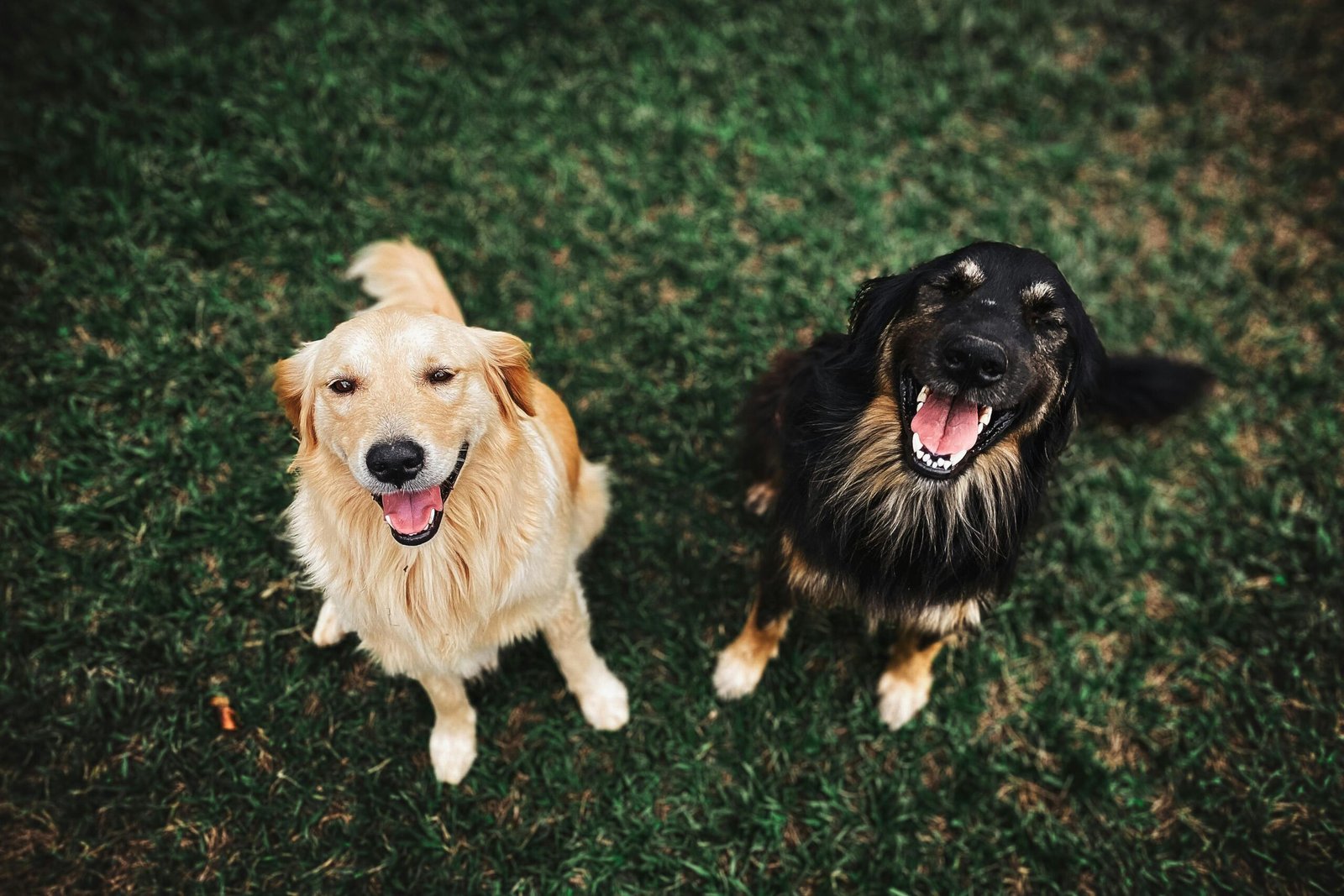
When dog health comes up, breed is usually the first thing people mention. Sometimes it’s the only thing. Big dogs? Joint problems are expected. Small dogs? Too delicate. Certain breeds? Everyone’s waiting for something to go wrong. Genetics definitely play a role, no arguing that. They set the tone. But they don’t tell the full story, and they don’t explain why two dogs with the same background can end up living very different lives.
What often gets ignored is the day-to-day stuff. The boring stuff. Health doesn’t change all at once. It builds slowly, shaped by habits that feel small in the moment. What a dog eats every day. How often it gets out and moves. Whether life feels calm or stressful. How quickly small issues are noticed instead of being brushed aside. These things decide how genetics actually show up. That’s why dogs from the same litter can age so differently. One stays playful and comfortable for years. The other starts slowing down much sooner, even though they started from the same place.
Nutrition: The Slow, Quiet Influence
Nutrition affects almost everything, for example, digestion, immunity, joints, skin, coat, and energy levels. When a diet suits a dog and stays consistent, the body usually handles stress and ageing much better.
What matters isn’t fancy packaging or bold claims. It’s what’s actually in the food. The quality of protein. The balance of fats. Enough fibre. The right nutrients for that dog’s age and lifestyle. When something isn’t quite right, the signs are rarely obvious. A dog might seem a bit less enthusiastic on walks. Digestion might be hit-or-miss. The coat might feel duller than it used to. Because these changes creep in slowly, they’re often dismissed as “normal,” even when they’re not.
Movement, Boredom, and the Mind
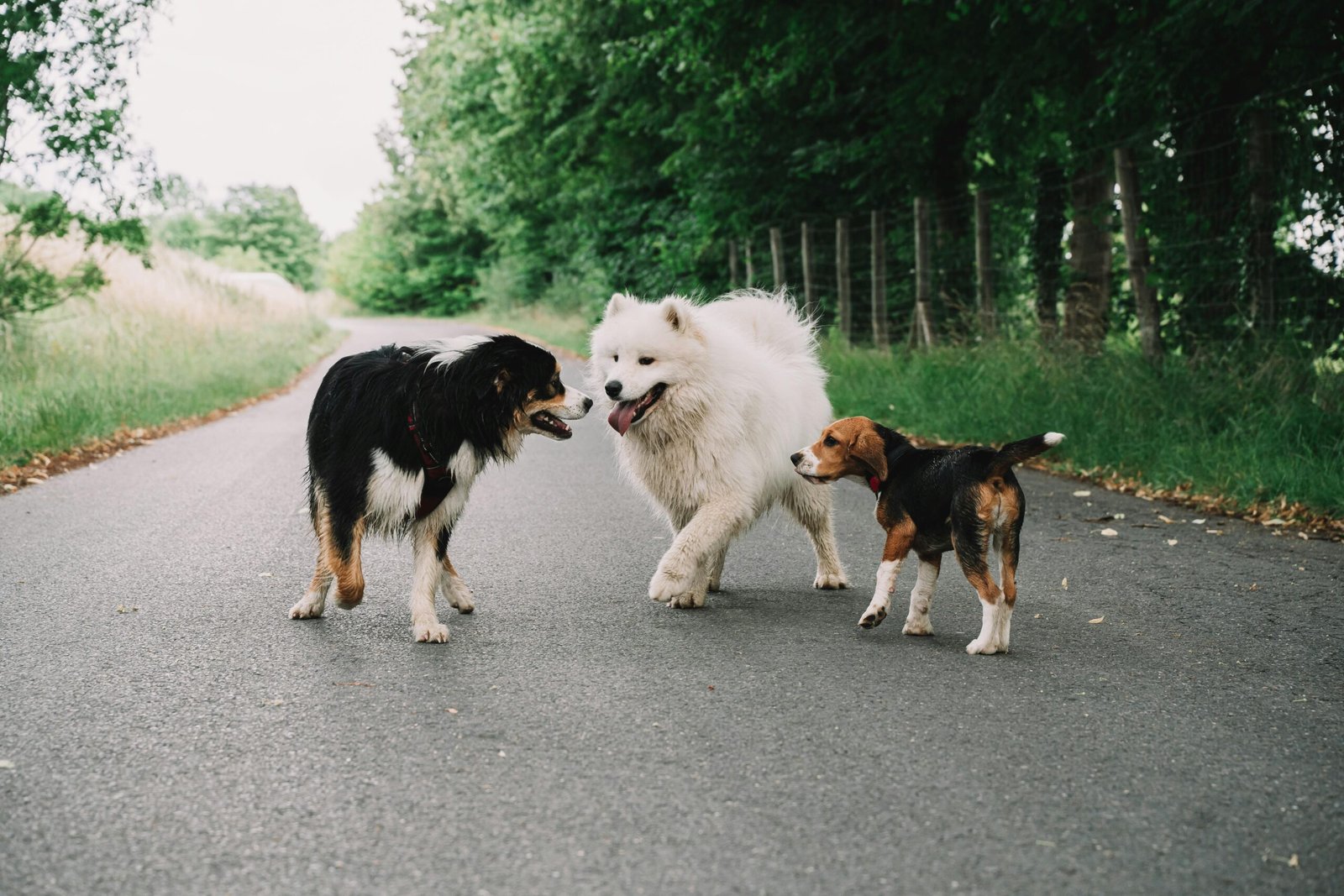
Exercise isn’t just about keeping weight in check. Movement keeps muscles working, joints supported, and circulation flowing. Dogs that stay active usually move more comfortably for longer, even if their breed isn’t known for being particularly sturdy.
Mental stimulation matters just as much, though it’s easy to forget. Dogs notice everything. They watch patterns. They like having something to do. Training sessions, puzzle toys, sniffing games, or even taking a slightly different walking route can make a big difference. Without enough mental input, dogs often become restless or anxious. Some get reactive. Over time, boredom can wear on a dog in much the same way physical inactivity does.
Environment and Why Routine Matters More Than We Think
A dog’s surroundings affect health in quiet ways. Clean spaces reduce illness. Comfortable resting spots help with proper sleep and recovery. Routine gives dogs a sense of safety. Predictable feeding times, familiar walks, and regular rest all help regulate digestion and stress.
When life feels chaotic or routines keep changing, the signs don’t usually show up all at once. Appetite might dip. Sleep becomes lighter. Behaviour shifts just a little. These are easy things to miss, but they’re often the early warnings that something’s off.
Preventive Care and Paying Attention Early
Regular vet care still matters more than most people realise. Vaccinations, parasite prevention, dental checks, and weight monitoring catch problems while they’re still manageable. Dental disease is a classic example. It’s common, easy to ignore, and linked to inflammation that can affect the whole body.
What happens at home matters just as much. Dogs are incredibly good at hiding pain. Small changes in how they move, eat, or interact are often the first signs that something isn’t right. Noticing those changes early can save a lot of trouble later.
A Note on Modern Dog Food
Dog food today is very different from what it used to be. Many brands now use specialised facilities to ensure that every batch is consistent, nutritionally balanced, and safe for dogs. Some of these foods are made through third-party manufacturing, which means a company that knows how to produce high-quality dog food makes it for other brands.
You’ll sometimes hear the term white label dog food in these conversations. In reality, the name on the bag matters far less than ingredient quality, testing, and proper oversight. Essentially, it’s food made by a professional manufacturer that can be sold under different brand names. Think of it like a factory making the same recipe for several brands; the packaging and marketing might be different, but the food itself is the same.
Health Is Built in Small Moments
A dog’s health usually isn’t shaped by one big decision. It’s shaped by hundreds of small ones. Genetics set the starting point, but daily care decides how things unfold. Food choices. Walks. Mental stimulation. Routine. Preventive care. All of it adds up.
Wellbeing doesn’t arrive suddenly. It’s built quietly, over time. Paying attention to the ordinary details from day after day often makes the biggest difference, helping dogs stay comfortable, active, and themselves for as long as possible.




Leave a Reply