
Two elephants stand side by side in a photo, and someone asks which is which. Most people look at the ears. That is a good start, but the head, back, trunk tip and even the toenails tell the rest of the story.
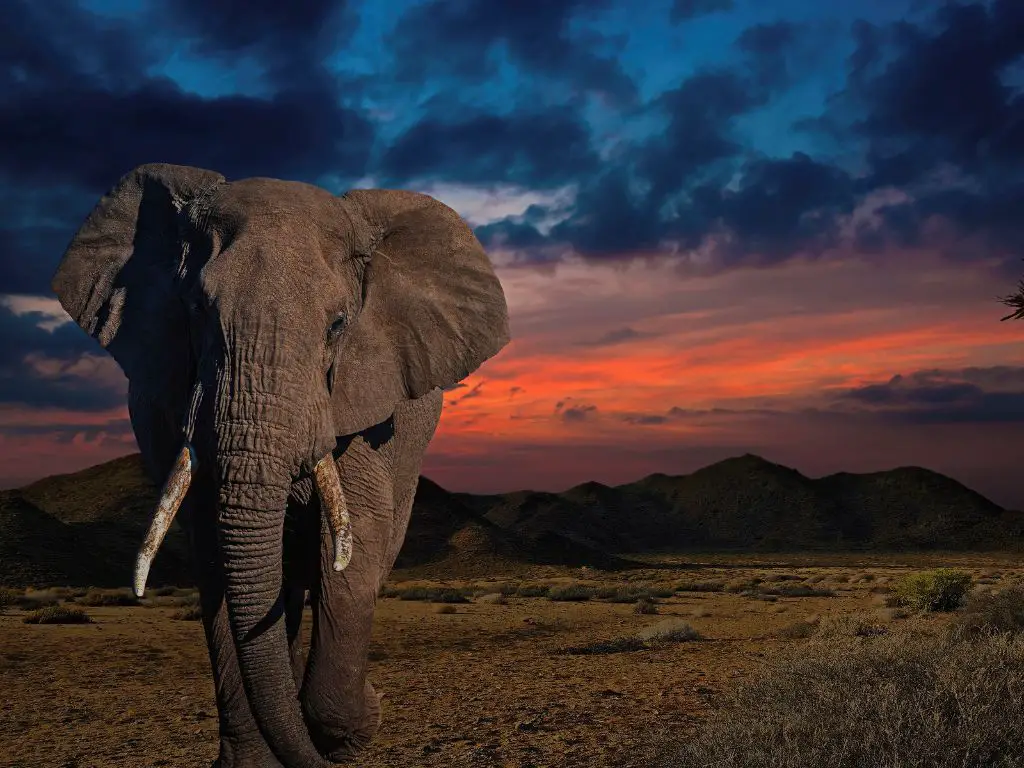
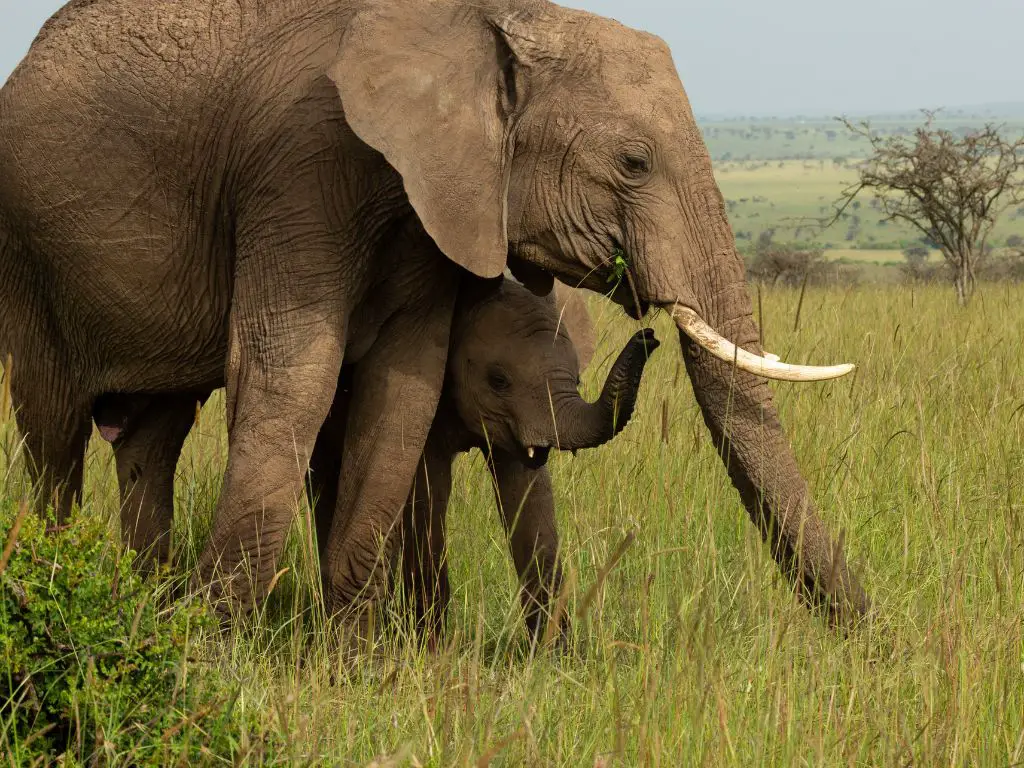
The quickest way to tell an African elephant from an Asian elephant is the ears: African elephants have huge ears shaped a bit like the map of Africa, while Asian elephants have smaller ears. Asian elephants also have a two-domed head, one “finger” on the trunk tip instead of two, and usually only males have visible tusks, says San Diego Zoo Wildlife Alliance.
Key takeaways
- There are three species: the African savanna elephant, the African forest elephant, and the Asian elephant.
- Ears: big in savanna elephants, smaller and rounder in forest elephants, smaller and more angular in Asian elephants.
- Head and back: Asian elephants have two domes on the head, which is their highest point; African savanna elephants have a back that dips in the middle.
- Trunk tip: two “fingers” in African elephants, one in Asian elephants.
- Status: savanna and Asian elephants are Endangered; forest elephants are Critically Endangered.
How many kinds of elephant are there?
There are three living elephant species: the African savanna elephant (Loxodonta africana), the African forest elephant (Loxodonta cyclotis) and the Asian elephant (Elephas maximus). The IUCN assessed the two African species separately for the first time in 2021, after genetic research showed they are distinct species, says the IUCN.
So “African vs Asian” really means comparing three animals. Savanna elephants are the giants of open grassland. Forest elephants are smaller and live in the forests of Central and West Africa. Asian elephants live in South and Southeast Asia.
What are the main differences between African and Asian elephants?
Look at five things: ears, head, back, trunk tip and tusks. African savanna elephants have huge ears, a back that dips in the middle and two trunk “fingers”. Asian elephants have smaller ears, a two-domed head that is their highest point, a rounded or level back, one trunk finger and, in most females, no visible tusks.
| Feature | African savanna elephant | African forest elephant | Asian elephant |
|---|---|---|---|
| Shoulder height (adult males) | 2.9–3.7 m (9.5–12 ft) | Average 2.3 m (7.5 ft) | Average 2.7 m (8.9 ft), up to 3.4 m |
| Shoulder height (adult females) | 2.5–3.0 m (8.2–9.8 ft) | Average 2.0 m (6.6 ft) | Average 2.4 m (7.9 ft) |
| Average weight (males) | About 6,000 kg (13,000 lb) | Poorly known; 2,700–6,000 kg given for the species | About 3,600 kg (7,900 lb), up to 6,000 kg |
| Ears | Very large, up to 1.5–2 m (59–79 in) tall | Rounder, about 90 cm (35 in) tall | Smaller, angular |
| Head | One rounded dome | One rounded dome | Two domes; top of head is the highest point |
| Back | More concave (dips in the middle) | Straighter | Convex or level |
| Trunk tip | Two “fingers” | Two “fingers” | One “finger” |
| Tusks | Both sexes; curve outwards and forwards | Both sexes; straighter, point down | Only some males have large tusks; females have small “tushes” or none |
| Nails (front / hind feet) | 4–5 / 3–5 | 5 / 4–5 | Usually 5 / 4 |
| Rib pairs | 21 | 21 | 19 (20 in Sumatran elephants) |
| IUCN status | Endangered (2021) | Critically Endangered (2021) | Endangered |
Sources: San Diego Zoo Wildlife Alliance Library fact sheets for the African and Asian elephant; IUCN (2021); San Diego Zoo Wildlife Alliance. The head-dome entries for African elephants reflect the fact sheets’ description of a single forehead rather than a two-domed skull.
Why do African elephants have bigger ears?
Mostly to lose heat. Elephant ears radiate body heat to help keep the animal cool, says National Geographic. Savanna elephants live in hot, open country, and their ears can be 1.5 to 2 m (59 to 79 in) from top to bottom. Forest elephants, in shadier forest, have ears about half that height.
Picture it: an ear taller than a grown-up
A big savanna elephant’s ear can be up to 2 m (6 ft 7 in) from top to bottom, says the San Diego Zoo Wildlife Alliance Library. That is taller than the average American man, who stands about 1.75 m (5 ft 9 in), according to the CDC. An adult could stand behind one ear and be hidden from view.
Which is bigger, an African or an Asian elephant?
The African savanna elephant is the biggest. Its males stand 2.9 to 3.7 m (9.5 to 12 ft) at the shoulder and average about 6,000 kg (13,000 lb). Asian males average about 2.7 m (8.9 ft) and 3,600 kg (7,900 lb), and African forest elephants are the smallest, with males averaging about 2.3 m (7.5 ft).
The largest elephant on record was an adult male African savanna elephant, says San Diego Zoo Wildlife Alliance. Asian elephant size also varies by place; the fact sheet notes that elephants on Borneo are considerably smaller than those in India.
Do female Asian elephants have tusks?
Most do not have visible tusks. In Asian elephants, usually only males have large tusks, and many females have small tusks called “tushes” that barely show, or none at all, says San Diego Zoo. In both African species, males and females usually grow tusks, though not always, says the Smithsonian’s National Zoo.
Tusk shape helps too. Savanna elephant tusks curve outwards and forwards, while forest elephant tusks are straighter, point down, and are harder, says the San Diego Zoo Wildlife Alliance Library.
How do you tell a forest elephant from a savanna elephant?
Check the ears, tusks and back. Forest elephants are smaller, with rounder ears about half the height of a savanna elephant’s, straighter downward-pointing tusks, and a straighter back. Savanna elephants have huge, Africa-shaped ears, curved tusks and a back that dips in the middle, says the San Diego Zoo Wildlife Alliance Library.
They also live in different places and rarely meet. Forest elephants live in the tropical forests of Central Africa and parts of West Africa, while savanna elephants prefer open country across sub-Saharan Africa, says the IUCN.
Which elephant is most endangered?
The African forest elephant. The IUCN listed it as Critically Endangered in 2021, after its numbers fell by more than 86 percent over 31 years. The savanna elephant was listed as Endangered after a fall of at least 60 percent over 50 years. Asian elephants are also Endangered, with 37,000 to 57,000 left, says the Smithsonian.
The main threats to African elephants are poaching for ivory and the loss of habitat to farming, says the IUCN. Ivory poaching is less of a threat to Asian elephants than to African elephants, notes the Smithsonian, partly because most Asian females have no tusks. Learn more in why Asian elephants are endangered.
Why do both kinds of elephant matter?
Elephants are “ecosystem engineers”, says National Geographic. They dig water holes in dry riverbeds that other animals drink from, their dung spreads seeds, and on the savanna they keep land open by pulling down trees and eating saplings. Lose the elephants and whole landscapes change.
Myths about African and Asian elephants
Myth: All African elephants are one species.
Fact: Savanna and forest elephants are separate species, assessed separately by the IUCN since 2021. Why people believe it: older books and websites list just “the African elephant”.
Myth: Only male elephants have tusks.
Fact: That is mostly true for Asian elephants, but in both African species, females usually have tusks too.
Myth: You can always tell elephants apart by toenail count.
Fact: Nail counts vary between individuals and overlap between species, so use ears, head, back and trunk tip first.
Test yourself
1. How many “fingers” does an Asian elephant have on its trunk tip?
One. African elephants have two.
2. Which elephant has a two-domed head?
The Asian elephant.
3. Which elephant species is Critically Endangered?
The African forest elephant.
Where to next?
➡️ Go wider: how the trunk, ears and feet help all elephants survive⬆️ Go deeper: why Asian elephants are endangered🔀 Go sideways: how fast an elephant can run
Frequently asked questions
What is the easiest way to tell an African elephant from an Asian elephant?
Look at the ears first. African savanna elephants have enormous ears, up to about 2 m tall, shaped a bit like the map of Africa. Asian elephants have much smaller ears. Then check the head: Asian elephants have two domes on top, and the top of the head is their highest point.
Are African elephants more aggressive than Asian elephants?
We could not find good scientific evidence that one species is naturally more aggressive. Any elephant can be dangerous, especially a mother with a calf or a male in musth. Asian elephants have a long history of being kept by people, which may shape this belief.
Can African and Asian elephants breed together?
They belong to different genera, Loxodonta and Elephas, and never meet in the wild because they live on different continents. Their bodies differ in many ways, down to the number of ribs: 21 pairs in African elephants and 19 or 20 in Asian elephants.
How many elephants are left in the world?
The IUCN’s 2016 African Elephant Status Report estimated about 415,000 African elephants of both species combined. The Smithsonian estimates 37,000 to 57,000 Asian elephants. Counting forest elephants is especially hard, so all these numbers are estimates.
Sources
- San Diego Zoo Wildlife Alliance. Elephant.
- San Diego Zoo Wildlife Alliance Library. African elephants fact sheet: physical characteristics.
- San Diego Zoo Wildlife Alliance Library. Asian elephant fact sheet: physical characteristics.
- IUCN (2021). African elephant species now Endangered and Critically Endangered: IUCN Red List.
- Smithsonian’s National Zoo & Conservation Biology Institute. Asian elephant.
- National Geographic. African elephant.
- Centers for Disease Control and Prevention, NCHS. Body measurements.
Sources checked 12 October 2026.

Keep the conversation curious