Adaptations
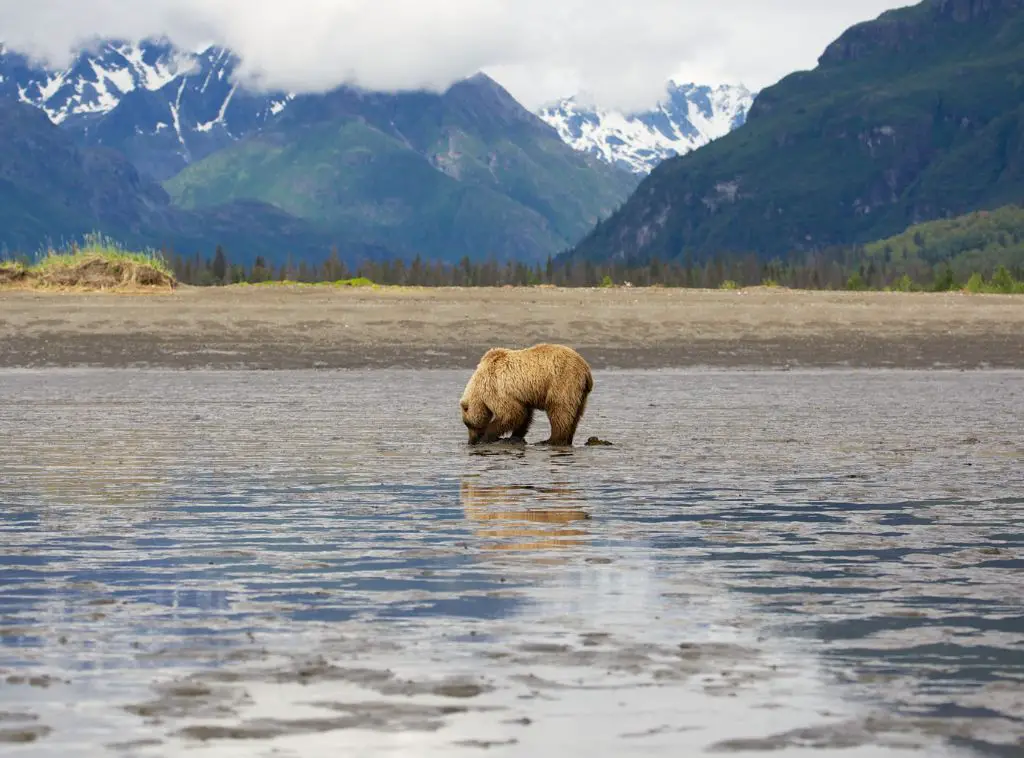
Adaptations of a grizzly bear: the hump, claws, nose and winter den
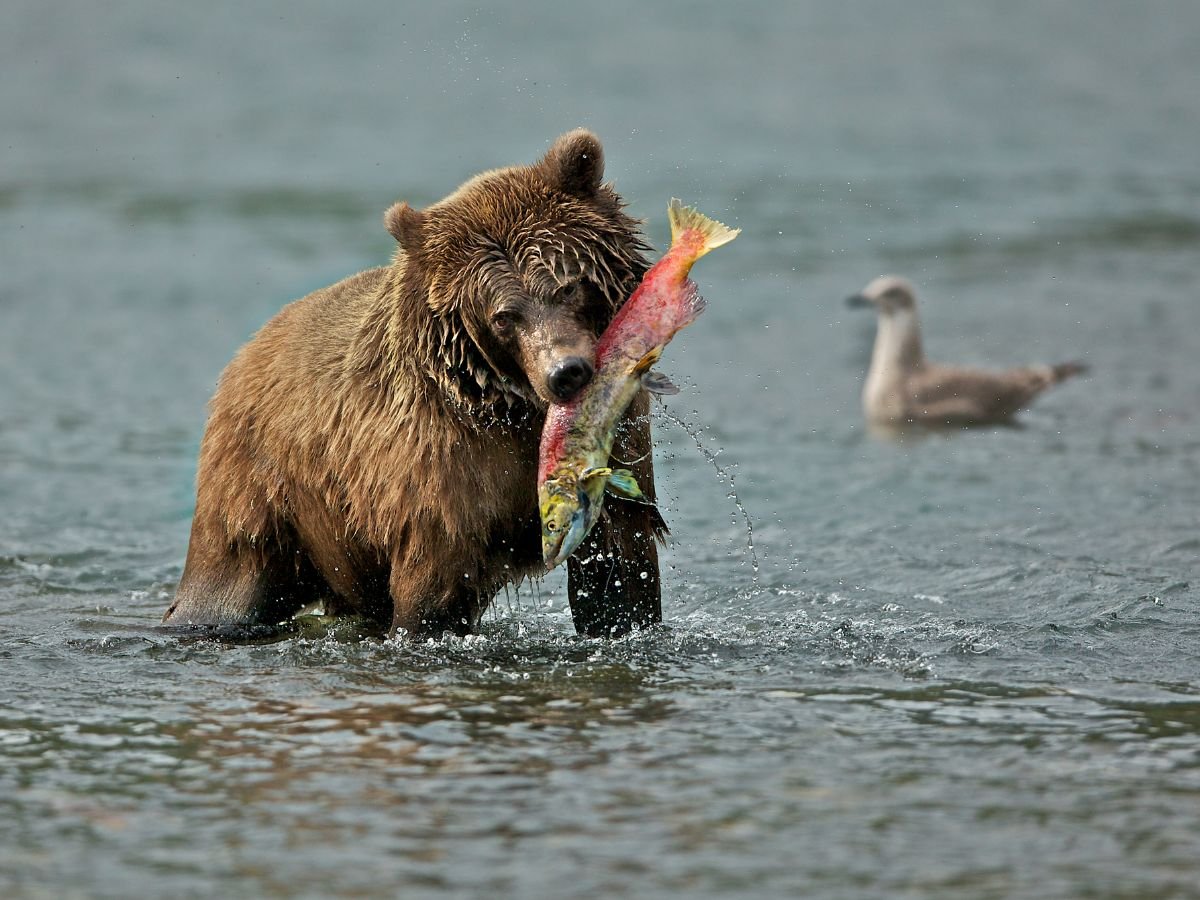
A grizzly bear survives with a hump of digging muscle, 10 cm claws, a keen nose, a diet of almost…
Animal group
Mammalia
Mammals are a diverse group of warm-blooded animals known for their unique characteristics, such as having hair or fur on their bodies and producing milk to feed their young. They range from tiny creatures like mice and bats to some of the largest animals on Earth, like elephants and whales. Mammals live in various habitats, from dense forests and vast oceans to arid deserts and snowy mountain peaks. Whether it’s the playful dolphins in the sea, the majestic lions in the savannah, or the curious monkeys in the jungle, mammals play a vital role in the balance of nature. They are fascinating creatures, each with its own set of behaviors, diets, and adaptations that help them thrive in their environments.
57 animals100 articles
Adaptations
A grizzly bear survives with a hump of digging muscle, 10 cm claws, a keen nose, a diet of almost…
Adaptations
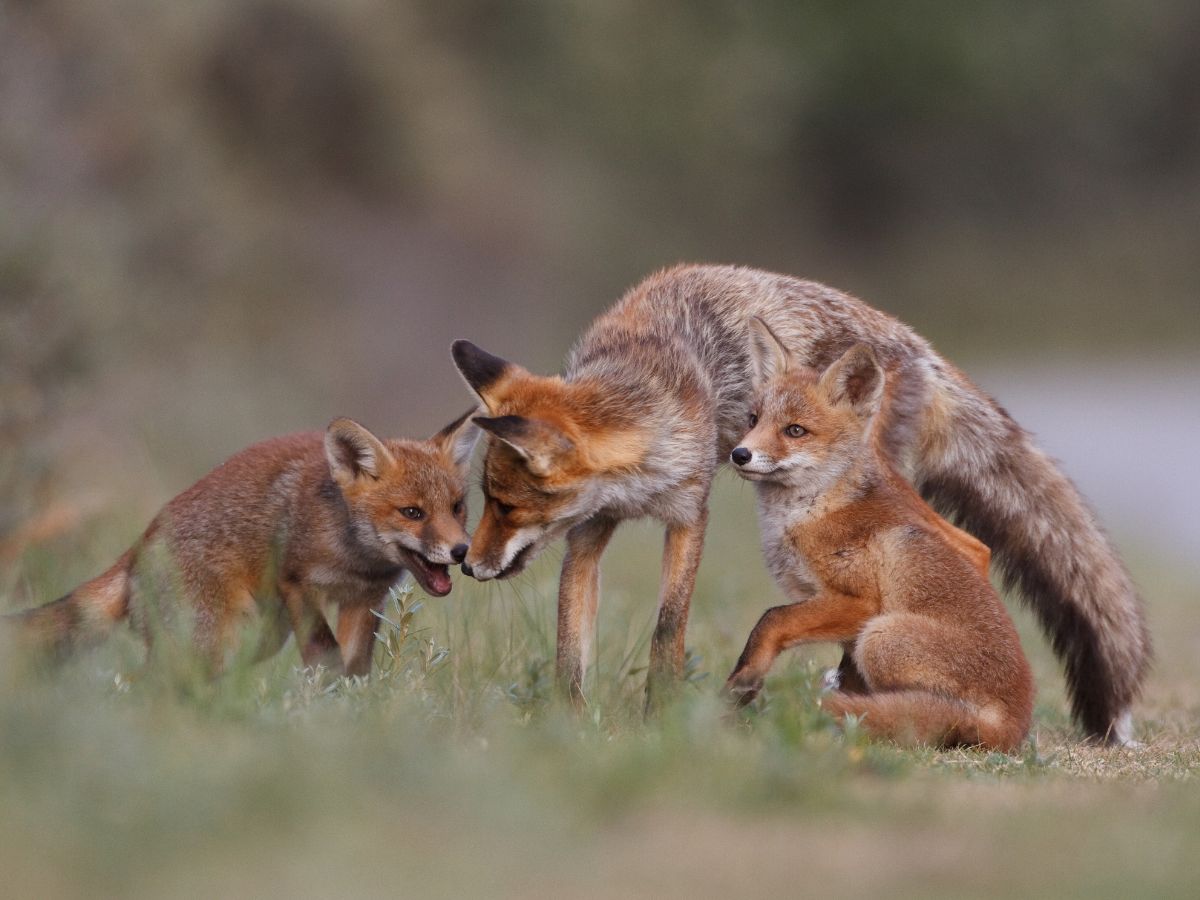
Red foxes are an iconic species found across much of the Northern Hemisphere, from North America to Europe and Asia.…
Adaptations
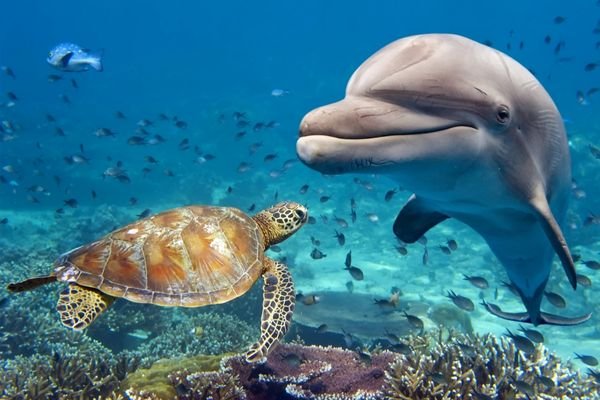
Dolphins survive with echolocation, fast deep breaths through a blowhole, blubber, a streamlined body and half-brain sleep. Here is how…
Adaptations
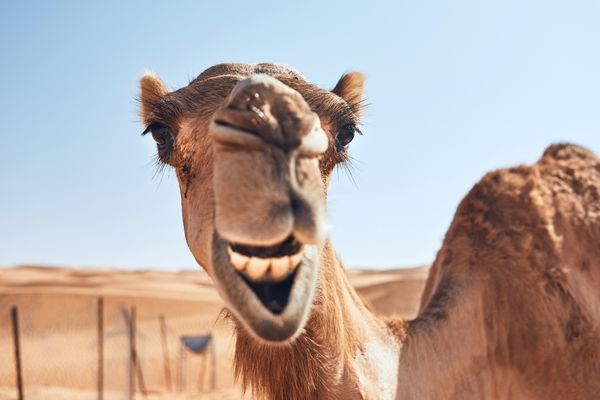
Camels survive the desert with humps full of fat, not water, a body that can drink 145 litres in one…
Diet & feeding
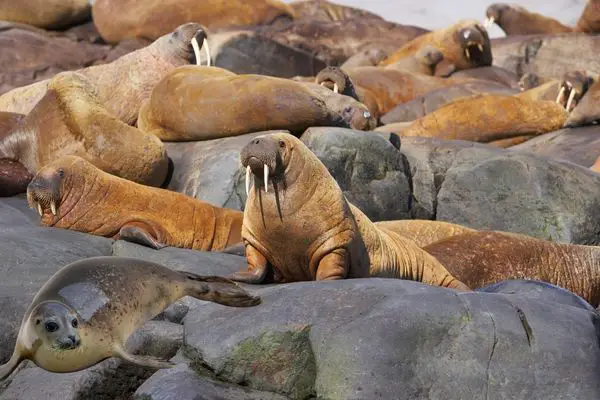
Walruses eat mostly clams and other seafloor shellfish, thousands in one feeding. They find them with their whiskers and suck…
Conservation & population
Grizzly bears live in Alaska, western and northern Canada, and a few mountain areas of the northern US Rockies and…
Adaptations
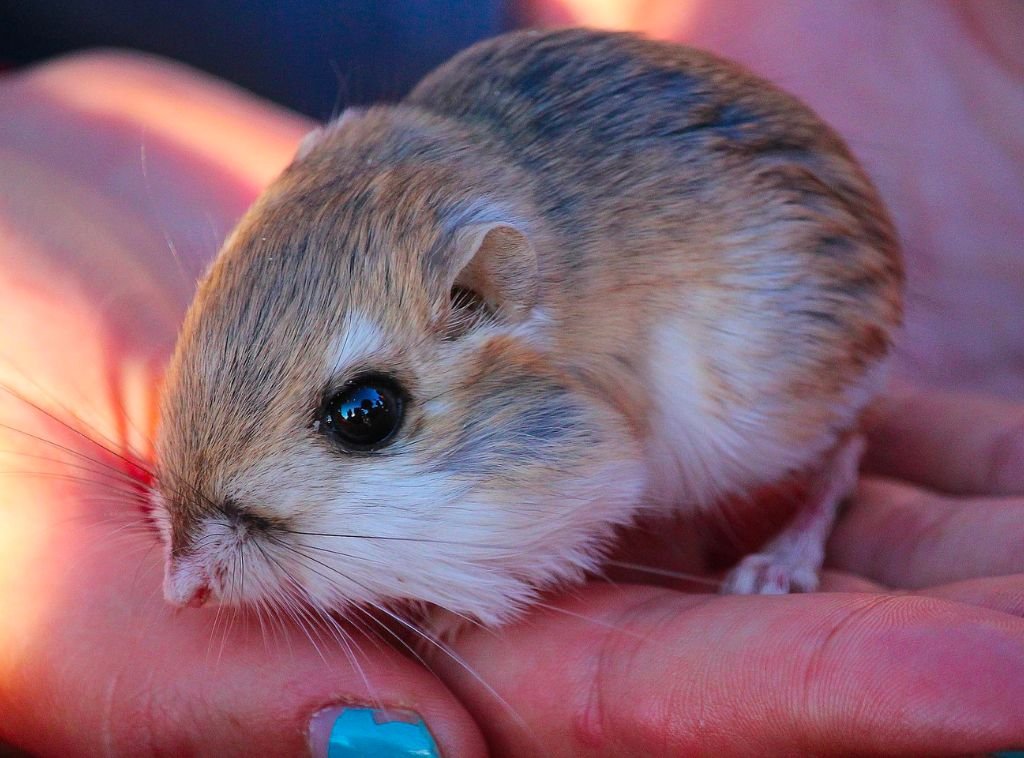
The kangaroo rat (Dipodomys spp.) is a small rodent native to the arid regions of North America. These fascinating creatures…
Conservation & population
Moose are one of the most iconic and fascinating animals of the northern regions of the world. These majestic animals…
Conservation & population
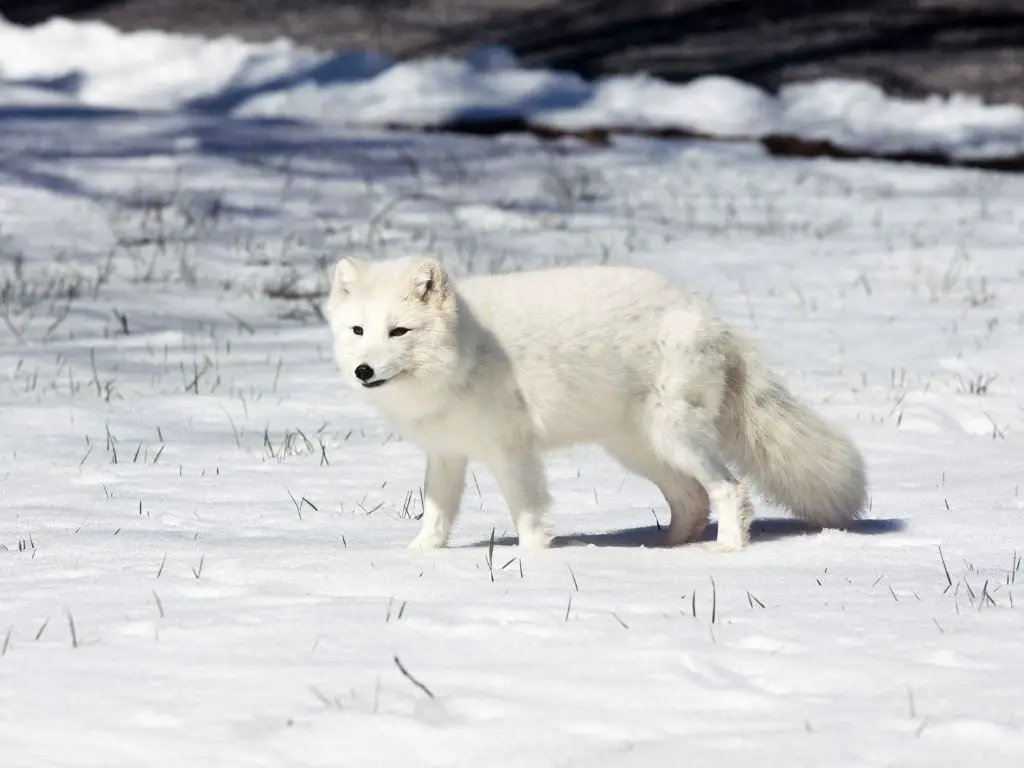
Arctic foxes(Vulpes lagopus) is a small fox native to arctic regions of the northern hemisphere. It is well adapted to…
Habitat & range
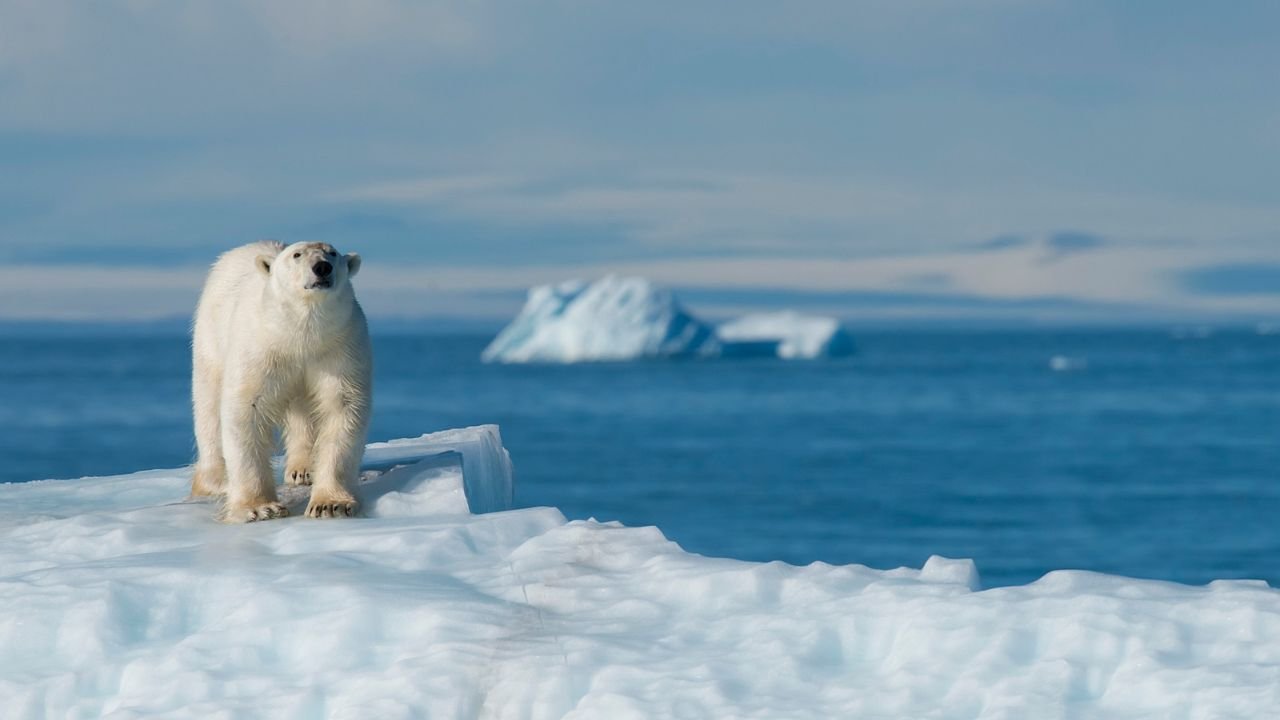
Polar bears live only in the Arctic, on sea ice across five countries. Canada has about 16,000 of them, Alaska…
Lifespan
Wild polar bears live 15 to 18 years on average, and females often reach 20 to 25. The oldest known…
Diet & feeding
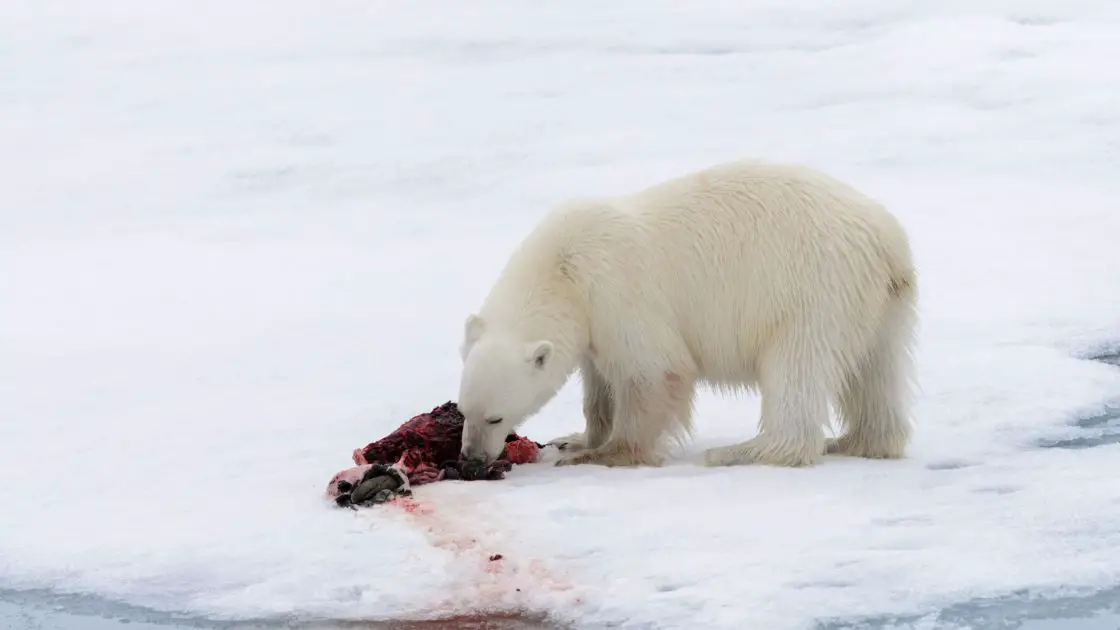
Polar bears live mainly on ringed and bearded seals, and often eat only the fatty blubber. Fish, birds, eggs and…