Habitat & range
Where do polar bears live?
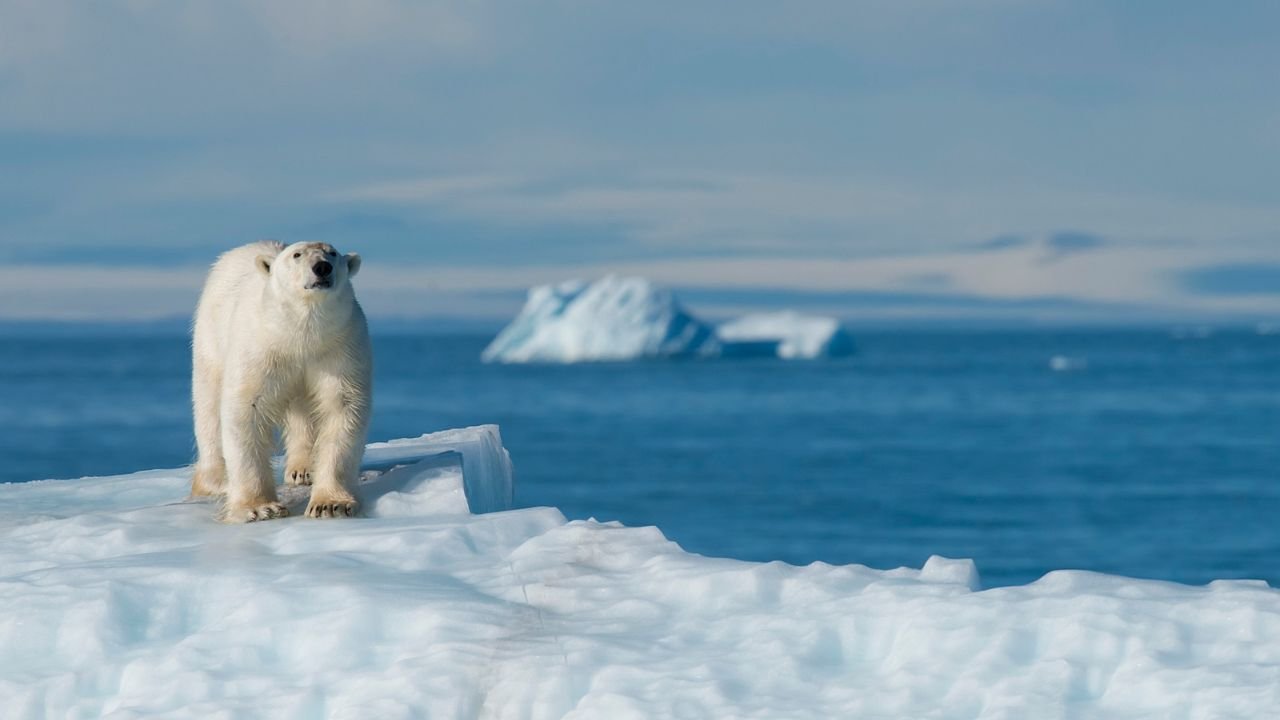
Polar bears live only in the Arctic, on sea ice across five countries. Canada has about 16,000 of them, Alaska…
IUCN Red List category
Animals the IUCN Red List classes as Vulnerable, and what is known about their numbers.
13 animals43 articles
Habitat & range
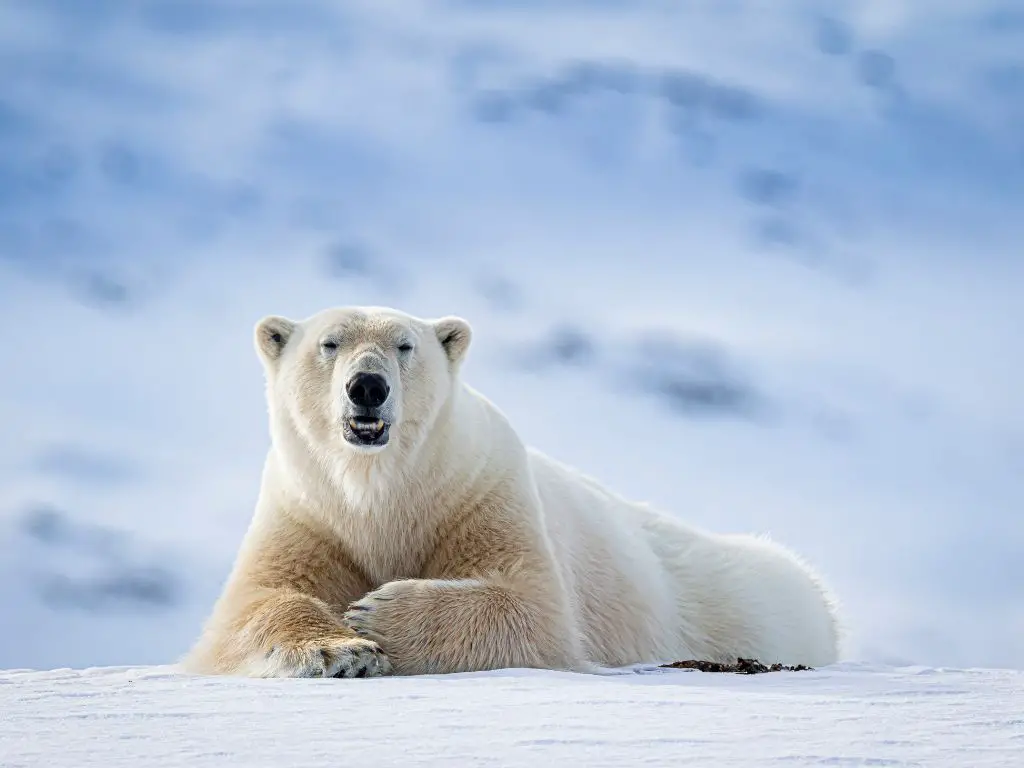
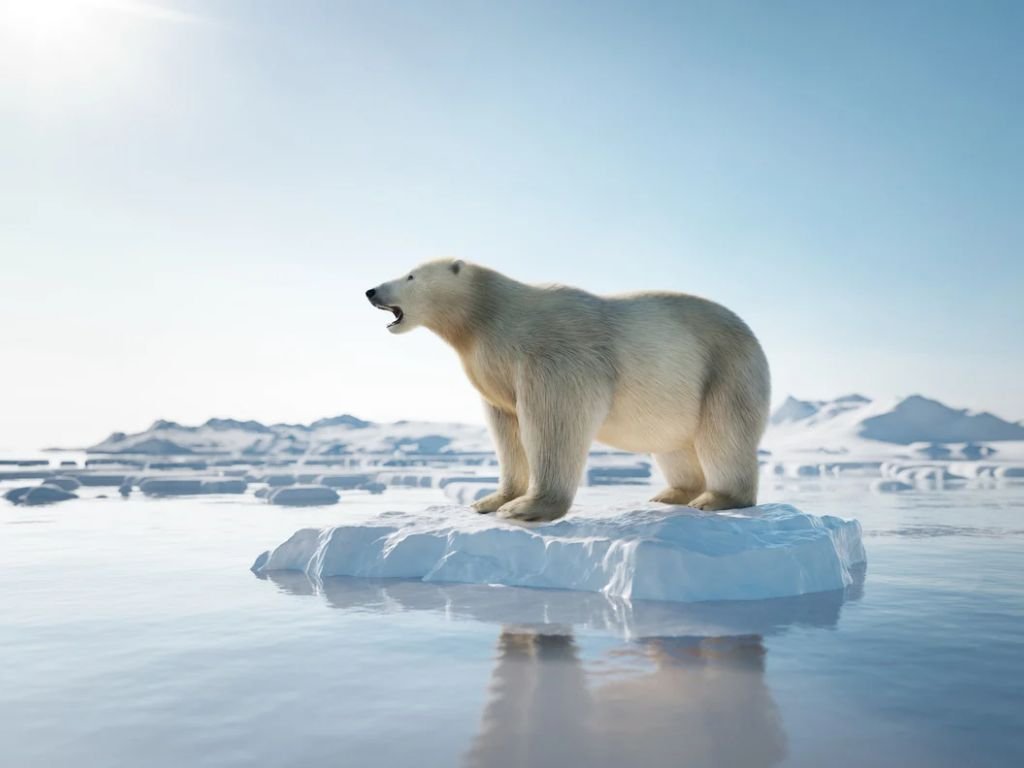
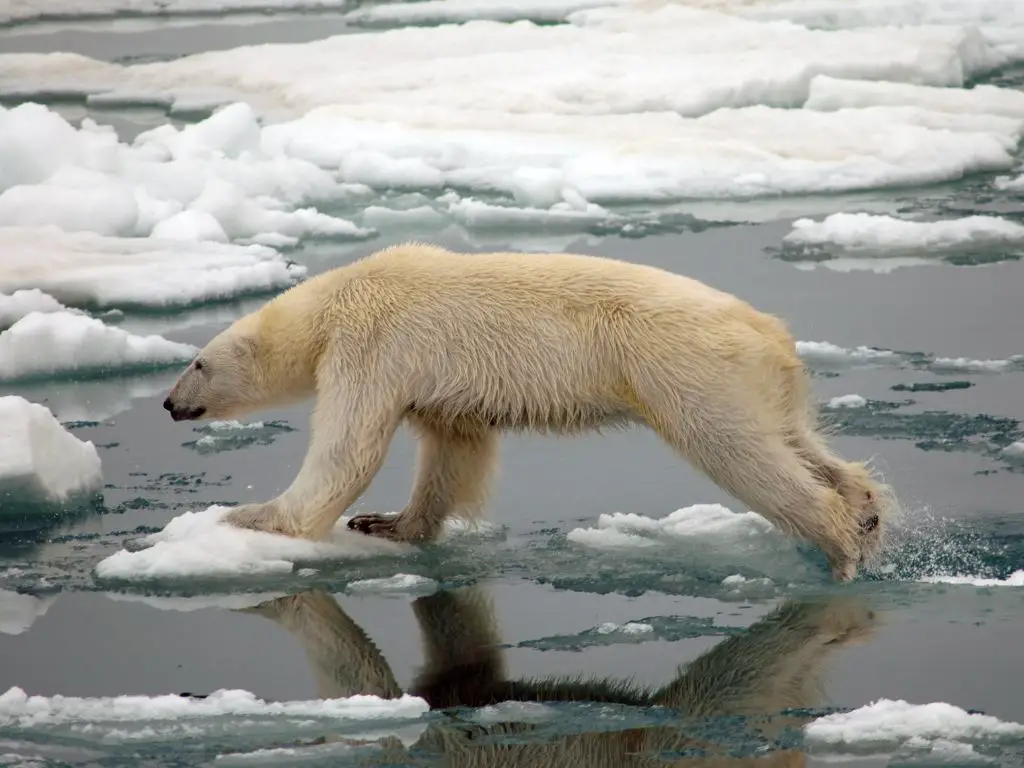
Polar bears live only in the Arctic, on sea ice across five countries. Canada has about 16,000 of them, Alaska…
Lifespan
Wild polar bears live 15 to 18 years on average, and females often reach 20 to 25. The oldest known…
Diet & feeding
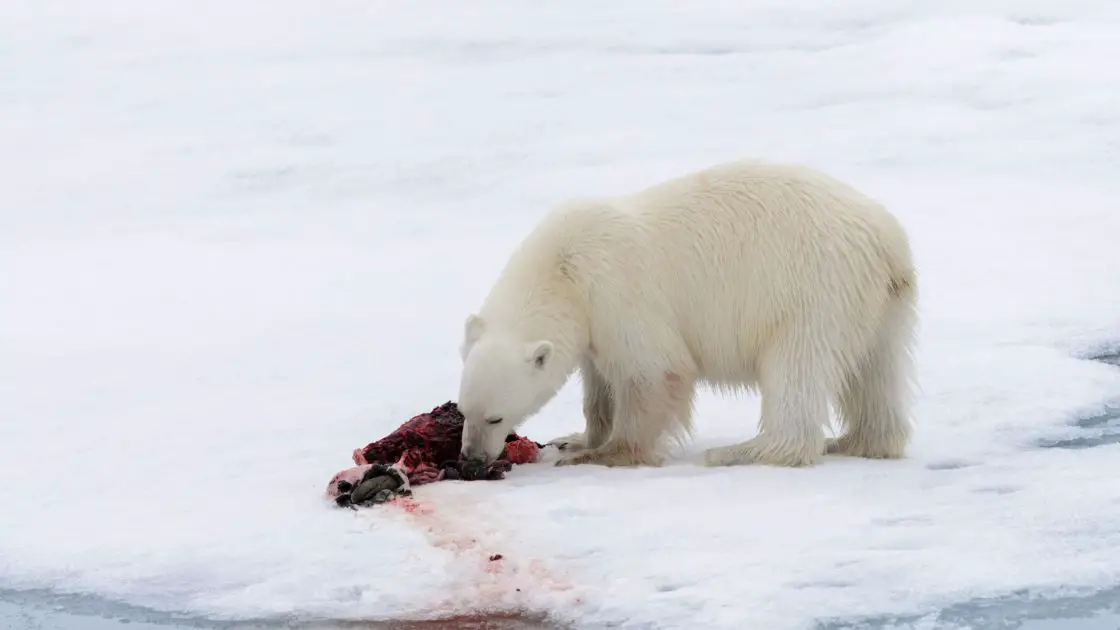
Polar bears live mainly on ringed and bearded seals, and often eat only the fatty blubber. Fish, birds, eggs and…
Adaptations
Two layers of fur, fat up to 10 cm thick, paws as big as dinner plates and a gut built…
Size & weight
An adult finger monkey, or pygmy marmoset, has a 12–16 cm body, a longer tail and weighs 85–140 g. Scientists…
Conservation & population
Polar bears are not endangered: they are Vulnerable on the IUCN Red List and Threatened in the US. About 26,000…
Diet & feeding
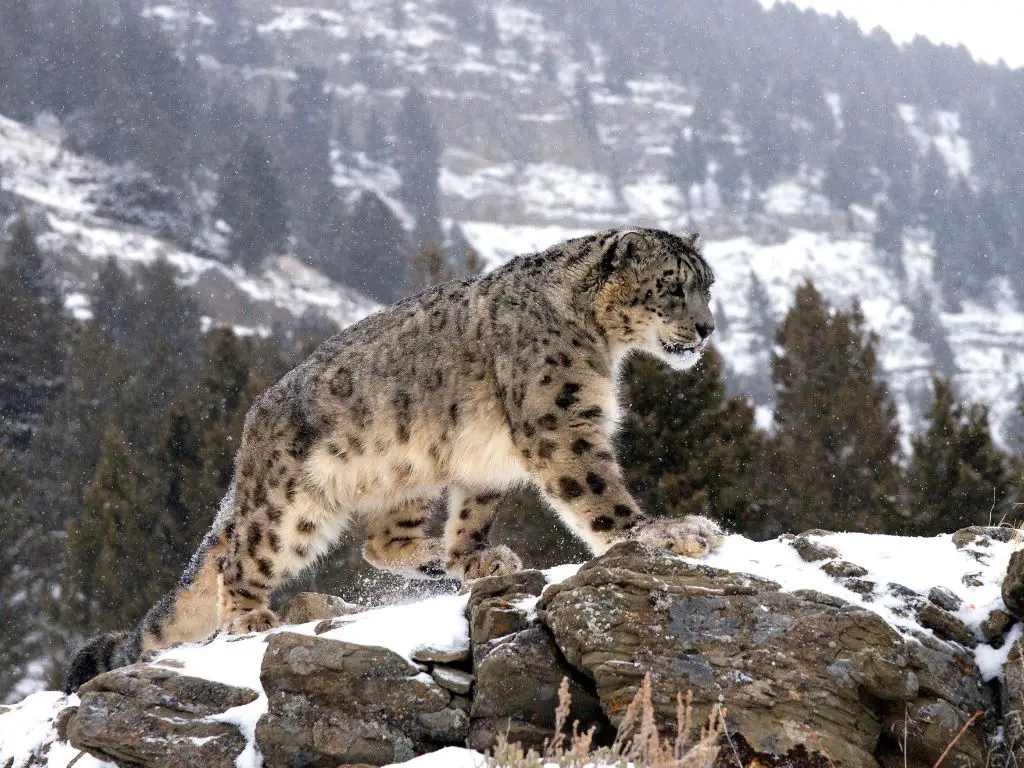
Snow leopards live mainly on wild sheep and goats such as blue sheep and ibex, plus marmots. They kill a…
Speed
Polar bears can sprint at about 40 km/h (25 mph) for short distances, but they overheat fast. Grizzlies are quicker,…
Adaptations
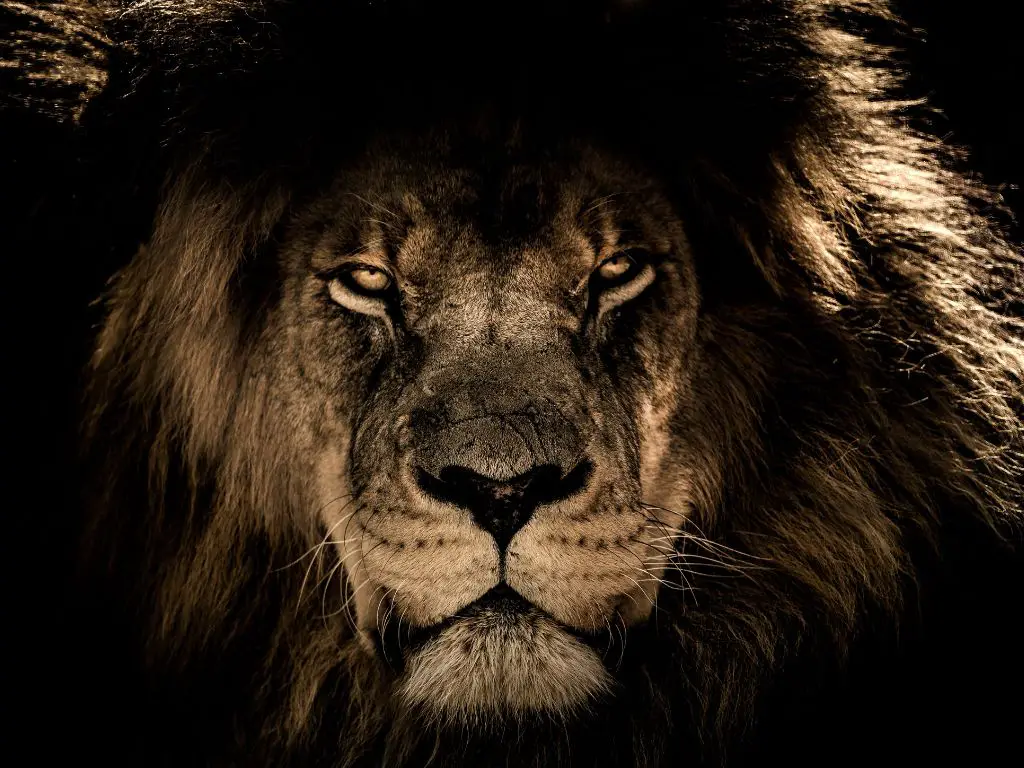
Lions survive by teamwork. Prides stalk big prey together, manes signal health to rivals and mates, and desert lions get…
Comparisons
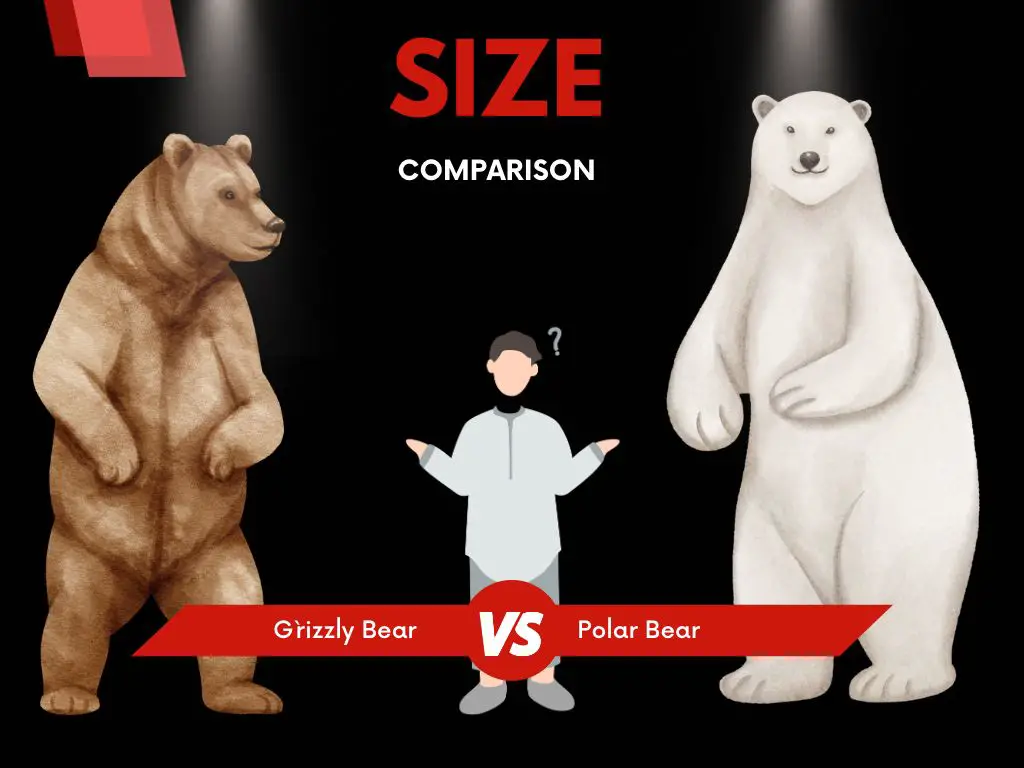
Polar bears are bigger than grizzlies on average: males weigh 350–590 kg against 180–270 kg. Only the biggest coastal Alaskan…
Adaptations
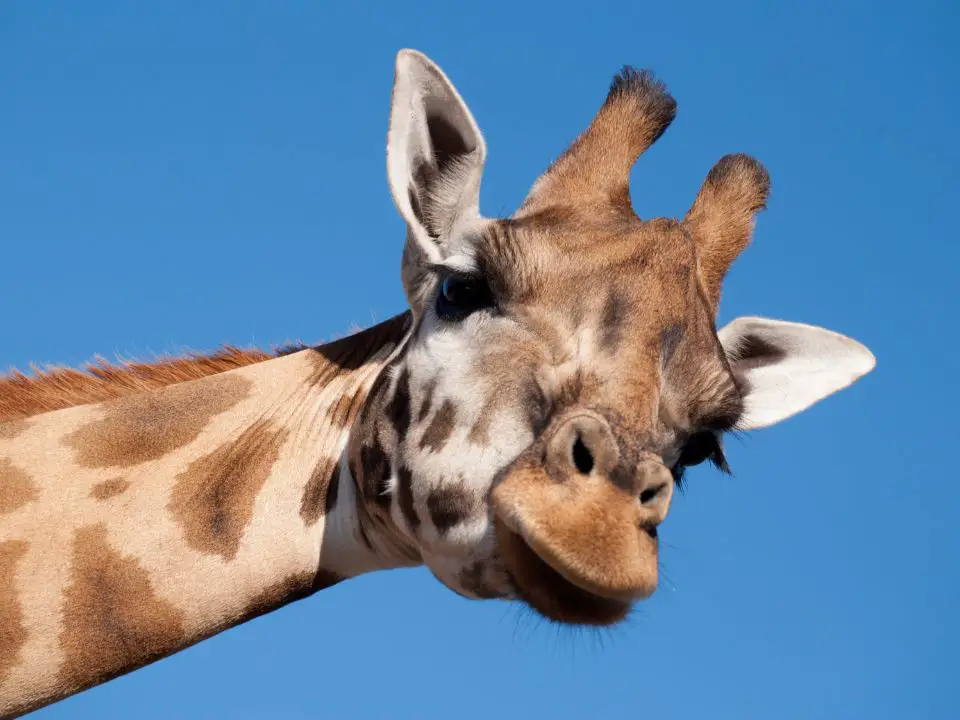
A giraffe's key adaptations are its 1.8 m neck, a heart that pumps at nearly twice human blood pressure, a…
Adaptations
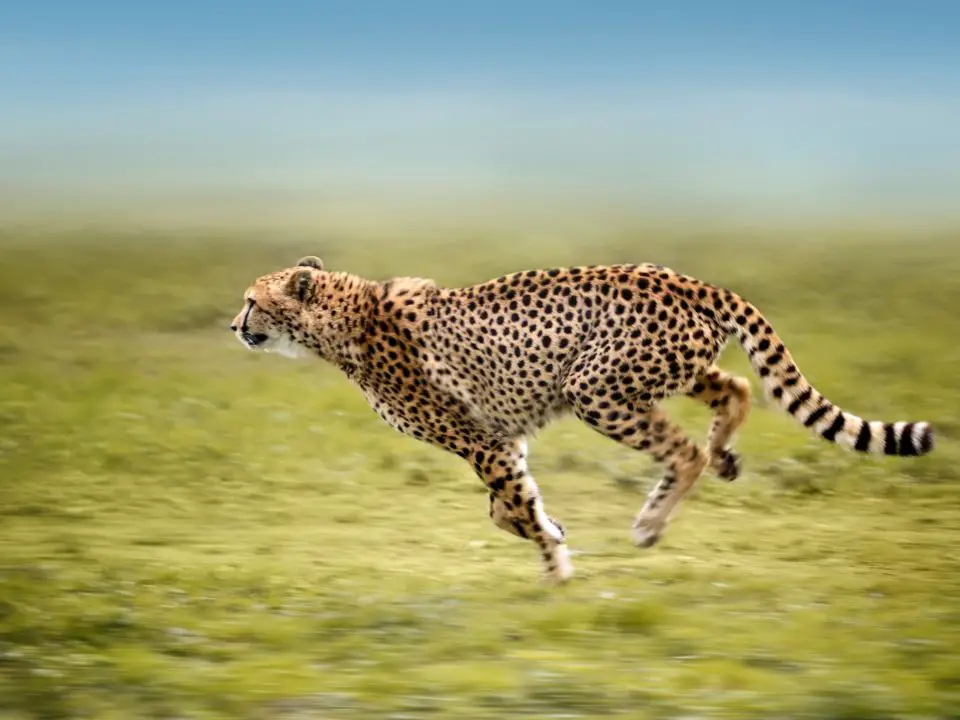
The 3 key adaptations of a cheetah, sorted into structural, behavioural and physiological, with a labelled diagram, myths, a quiz…