
Conservation & population
Are Moose Endangered – Are moose protected species
Moose are one of the most iconic and fascinating animals of the northern regions of the world. These majestic animals…
Diet
Animals that mainly eat plants.
21 animals28 articles
Conservation & population
Moose are one of the most iconic and fascinating animals of the northern regions of the world. These majestic animals…
Comparisons
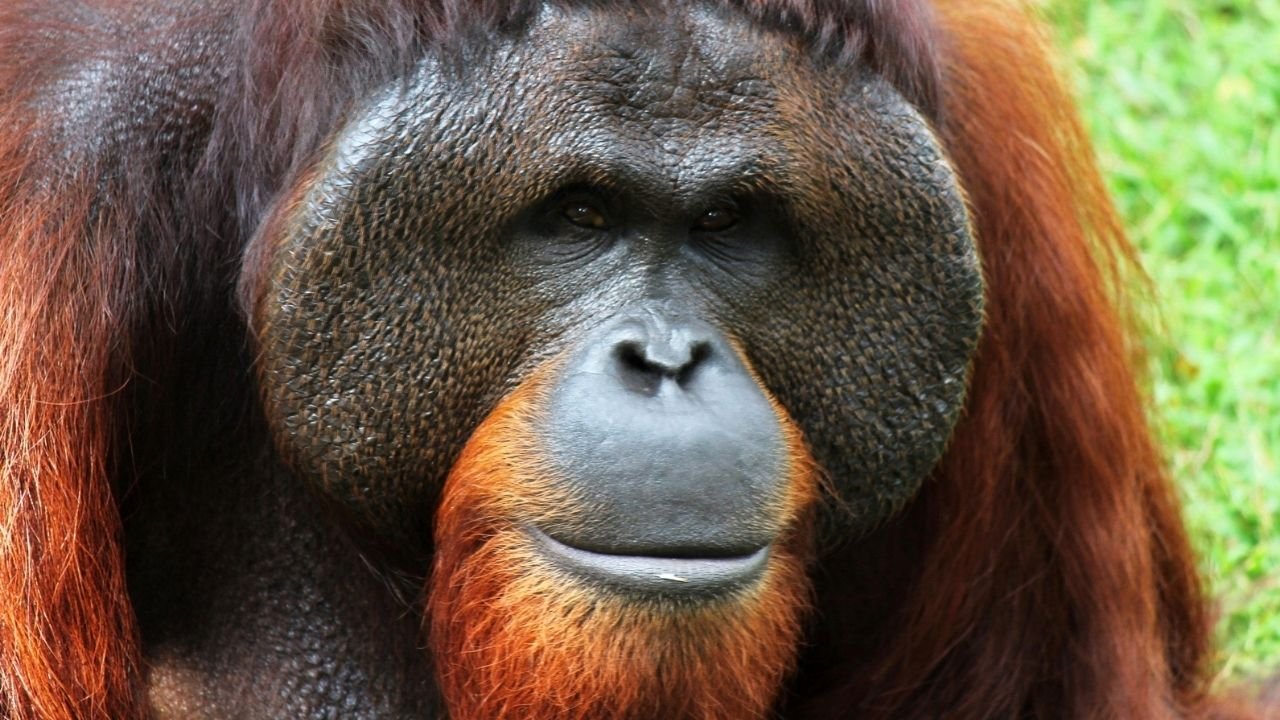
An adult male orangutan weighs 77–100 kg and can hang and climb all day on arms longer than a person…
Adaptations
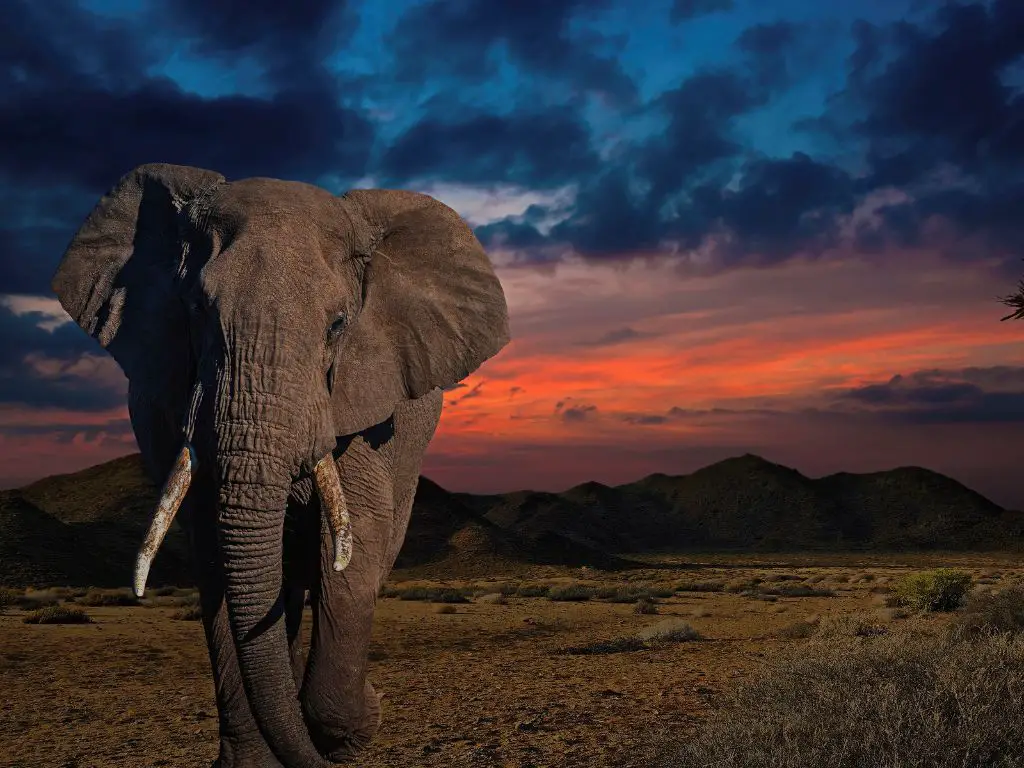
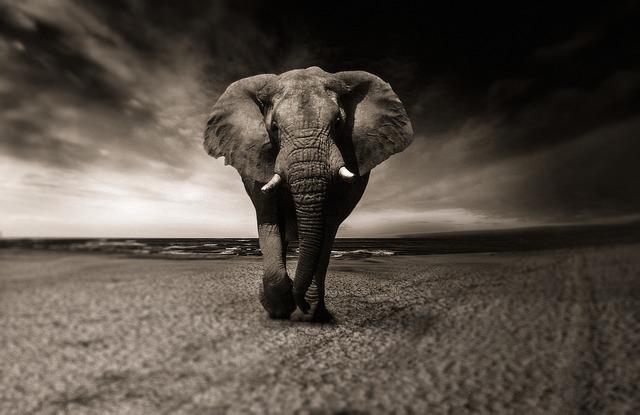
Elephants survive with a trunk of about 150,000 muscle bundles, heat-shedding ears, cushioned tiptoe feet, six sets of molars and…
Life cycle & reproduction
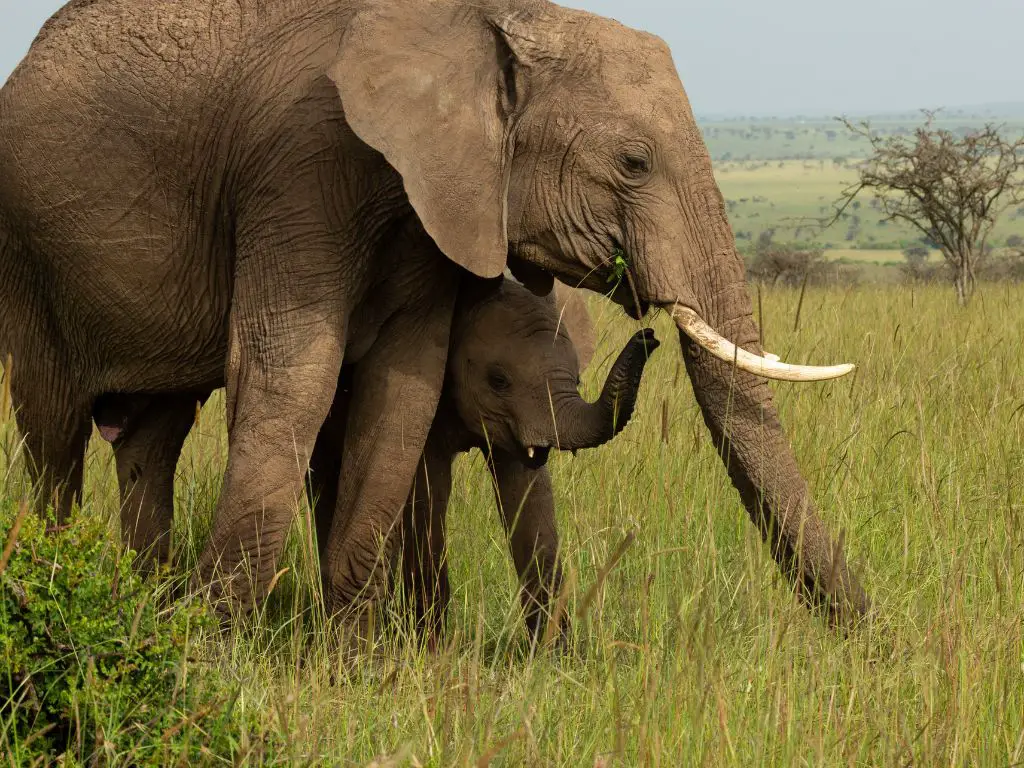
Elephants are pregnant for about 18 to 22 months, with a measured average of about 640 days. It is the…
Comparisons
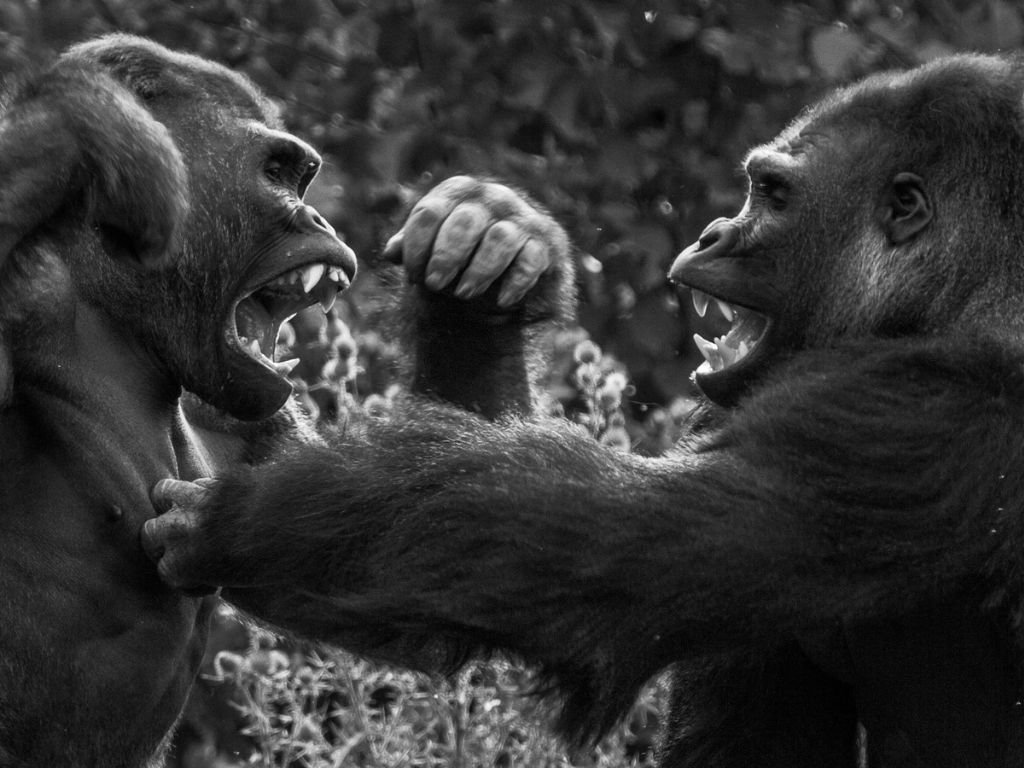
Gorillas are the heaviest apes and far stronger than people, but no scientist has measured a gorilla's lift, pull, punch…
Anatomy & appearance
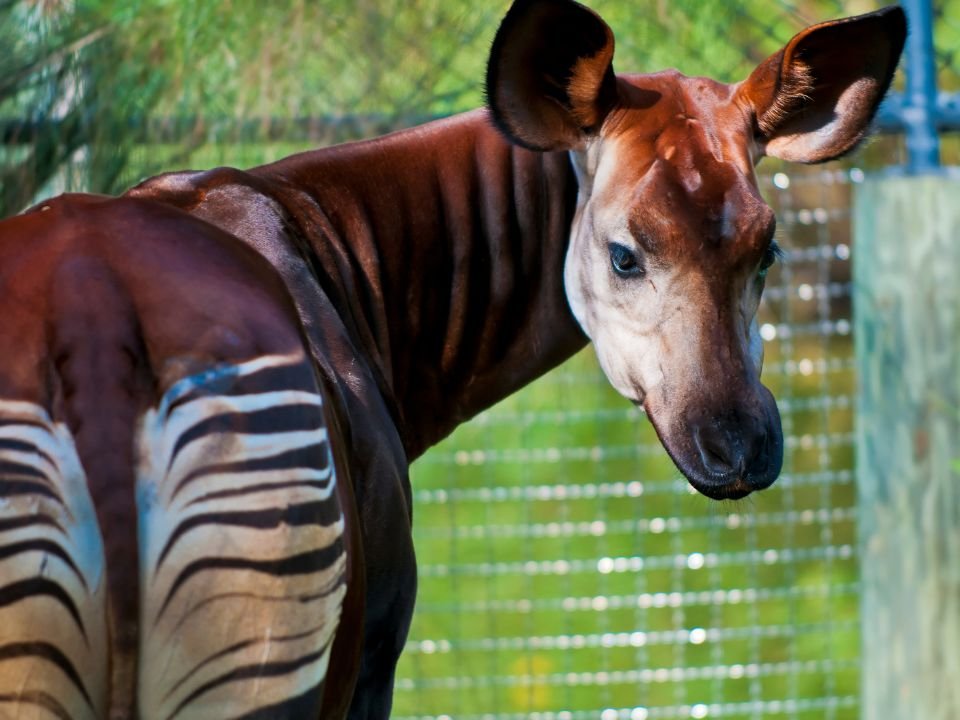
The okapi was first discovered by Europeans in 1901 when British explorer Harry Johnston came across it during his expedition…
Adaptations
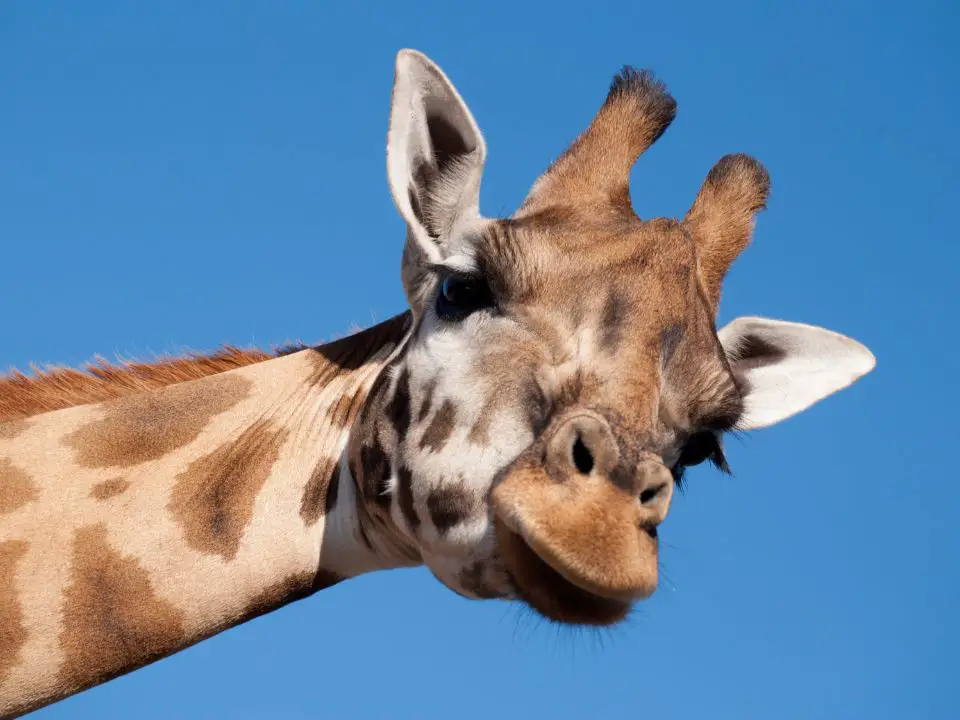
A giraffe's key adaptations are its 1.8 m neck, a heart that pumps at nearly twice human blood pressure, a…
Senses
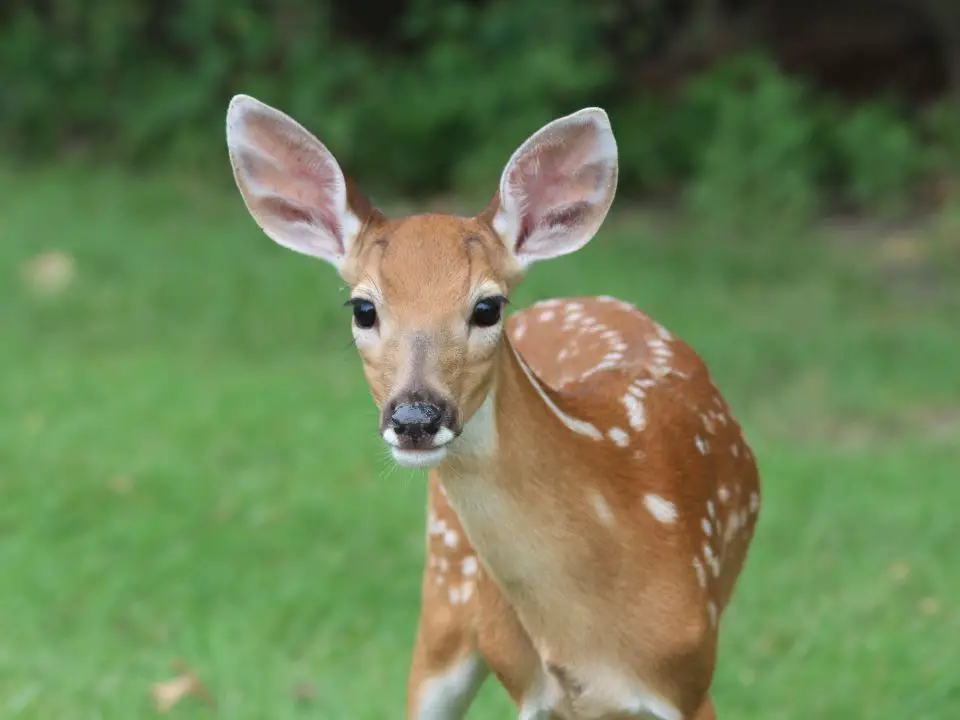
Deer see colors differently than we do, but they are able to see a wider range of colors. This is…
Speed
Elephants have been timed at up to about 25 km/h (15 mph). The popular 40 km/h figure for African elephants…
Lifespan
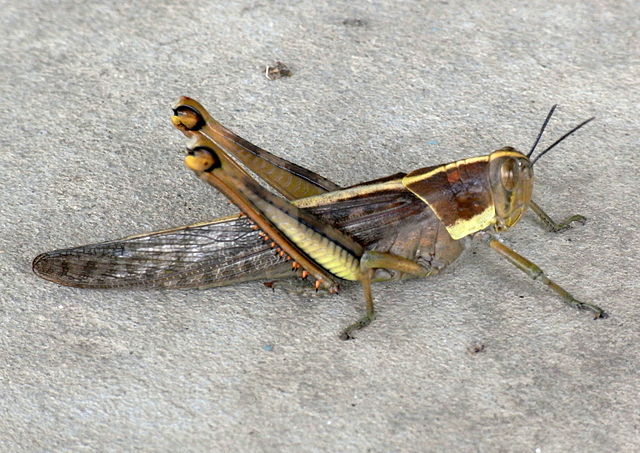
Grasshoppers are common insects found all around the world. Some people do like to keep them as pets and for…
Size & weight
A low rumble crosses the valley floor. A herd of bison is on the move, and each animal in it…
Speed
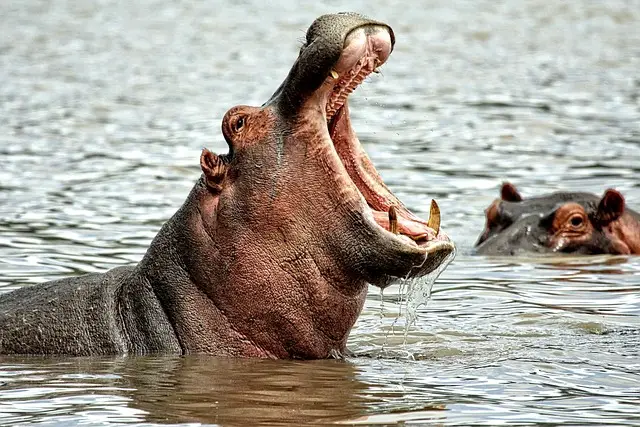
Hippos are often regarded as one of the most dangerous and unpredictable animals in Africa, yet it is also one…