Conservation & population
Where do grizzly bears live?
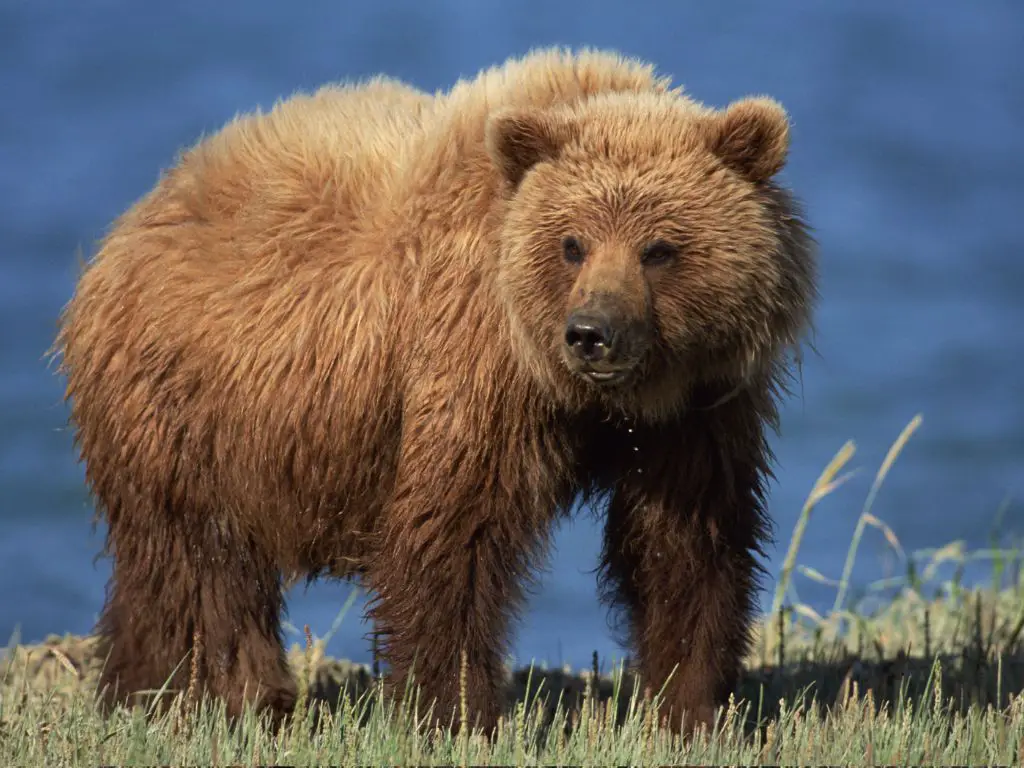
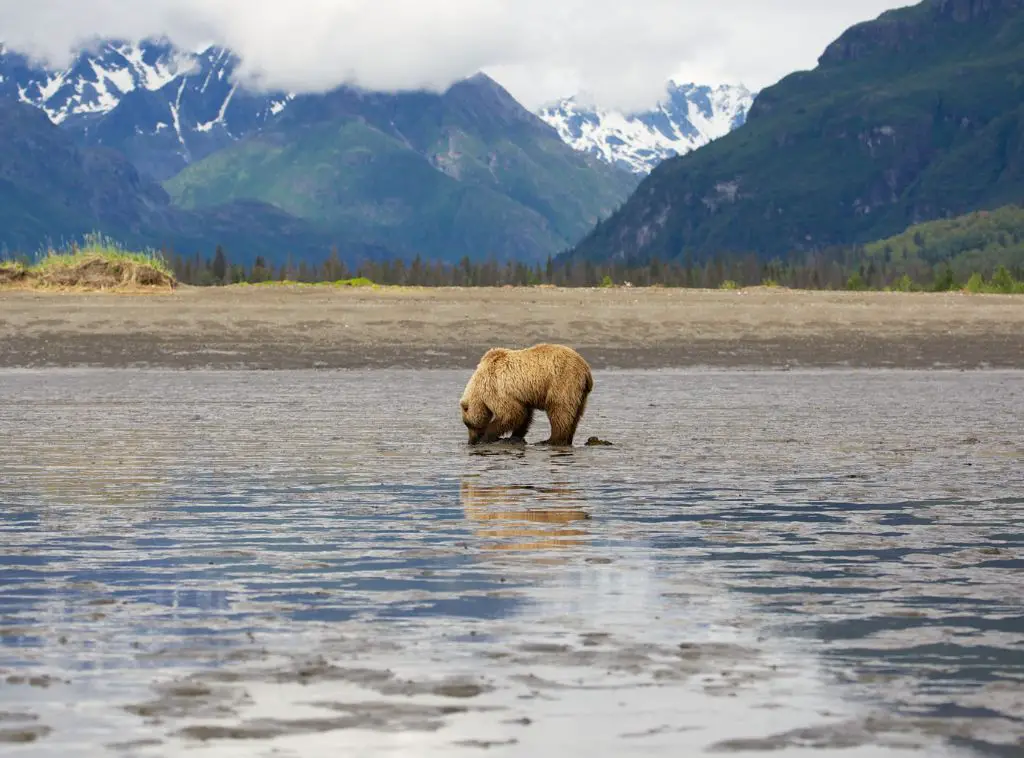
Grizzly bears live in Alaska, western and northern Canada, and a few mountain areas of the northern US Rockies and…
Biome
Meet the animals of temperate forests and read what we know about how they live there.
14 animals27 articles
Conservation & population
Grizzly bears live in Alaska, western and northern Canada, and a few mountain areas of the northern US Rockies and…
Diet & feeding
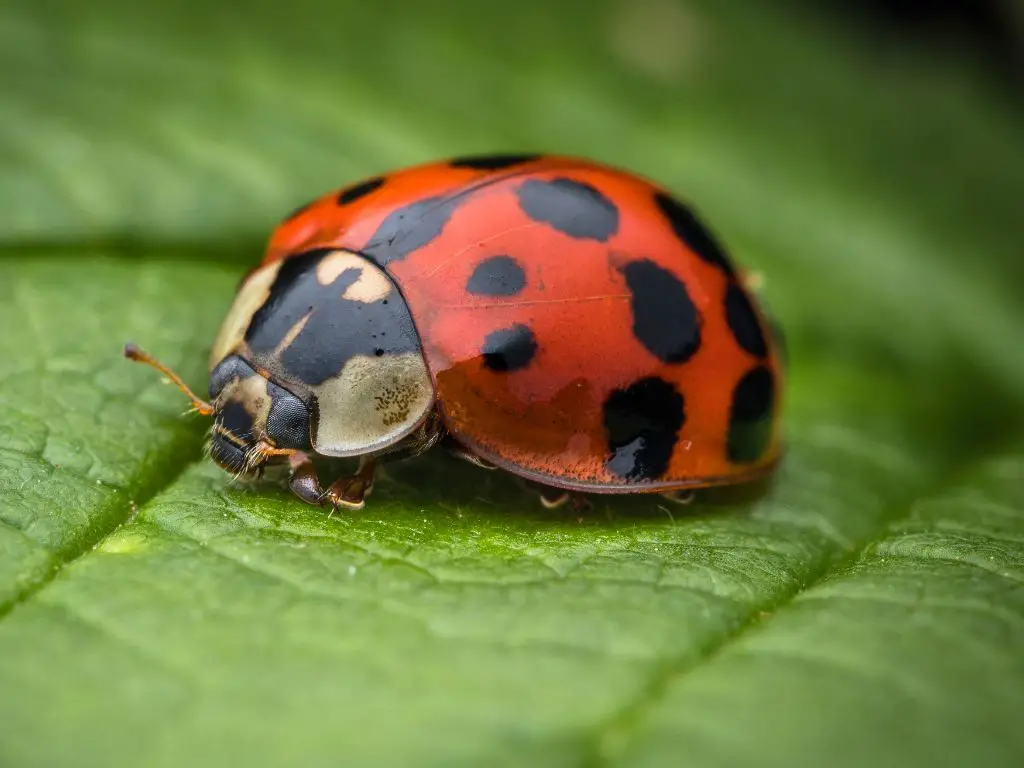
Ladybugs are small, colorful, and beneficial insects that are commonly found in gardens and farms all around the world. These…
Conservation & population
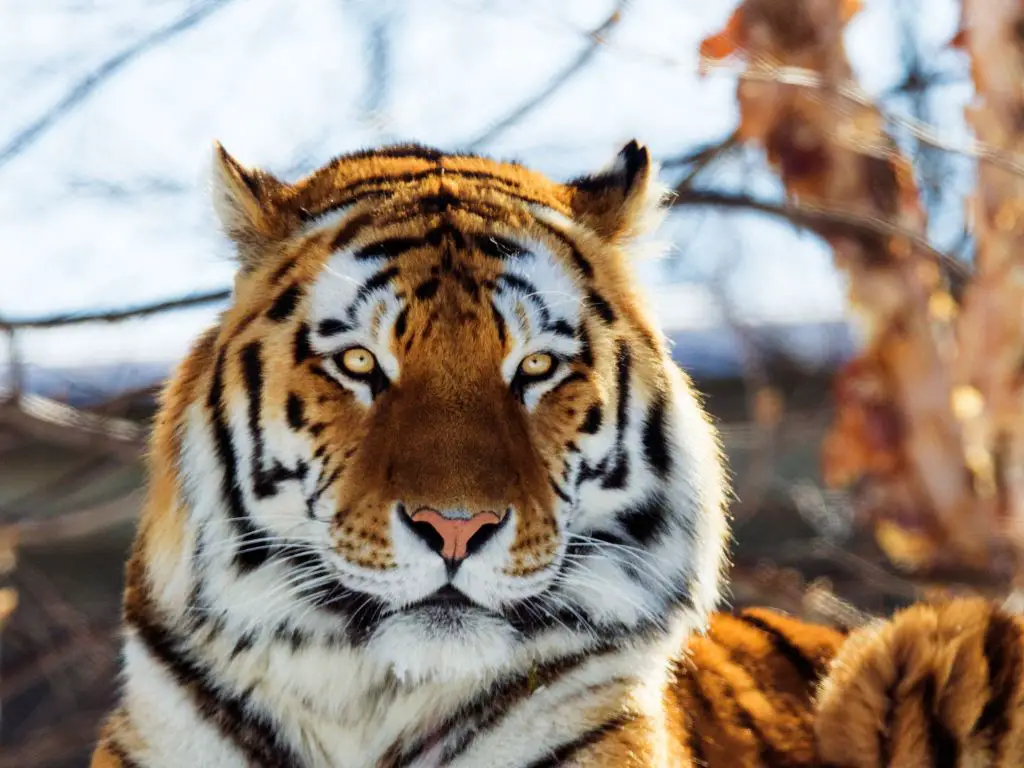
Poaching is the main reason Siberian (Amur) tigers are endangered, followed by a shortage of prey, roads and disease. About…
Records & rankings
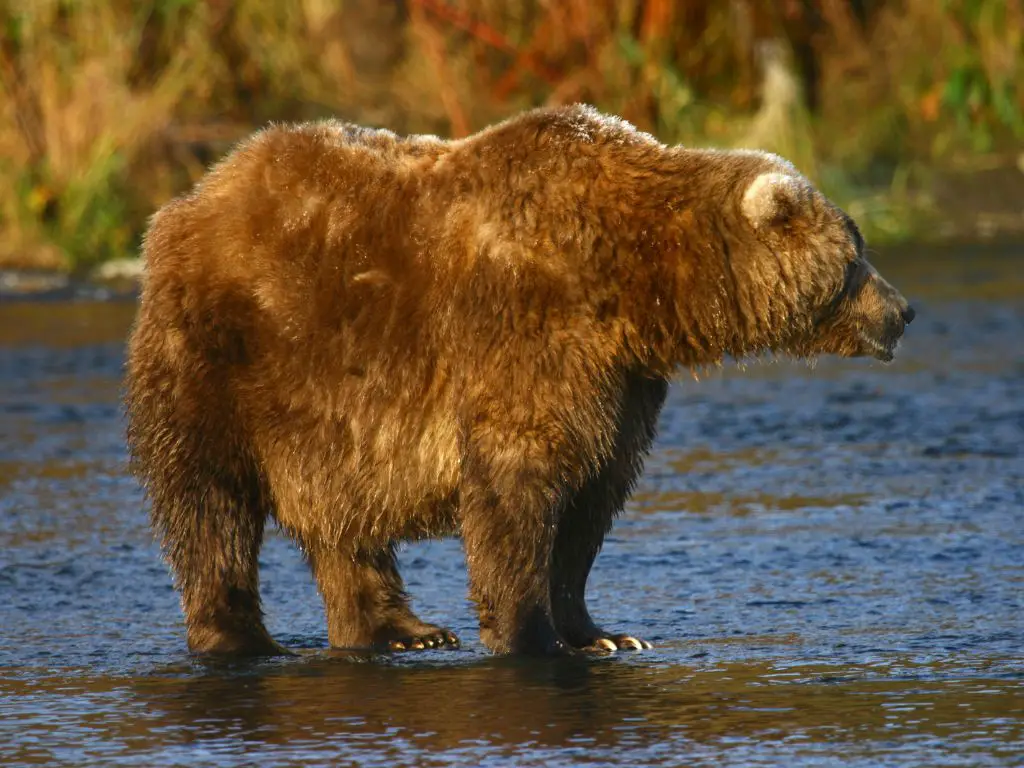
Male Kodiak bears weigh 272–635 kg (600–1,400 lb) and the biggest reach 680 kg (1,500 lb). Females weigh 136–318 kg.…
Size & weight
Male grizzlies in the lower 48 US states usually weigh 180–270 kg (400–600 lb) and females 110–160 kg (250–350 lb).…
Diet & feeding
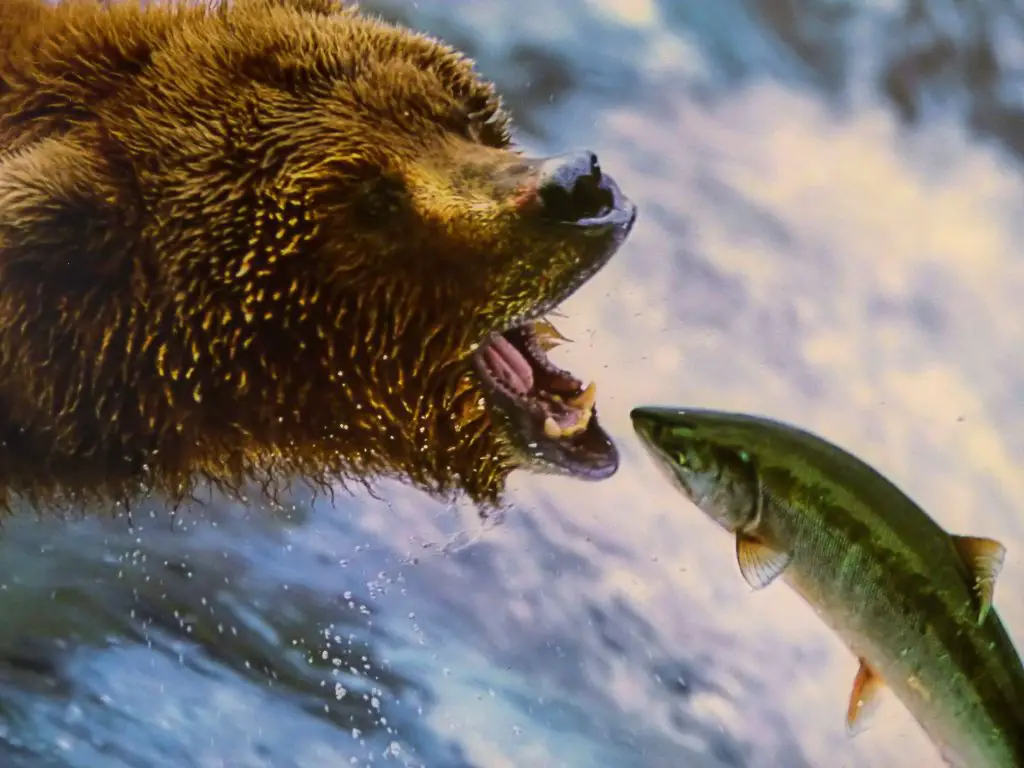
Grizzly bears are omnivores that eat plants, pine nuts, moths, fish and meat. Their menu changes with the seasons, from…
Lifespan
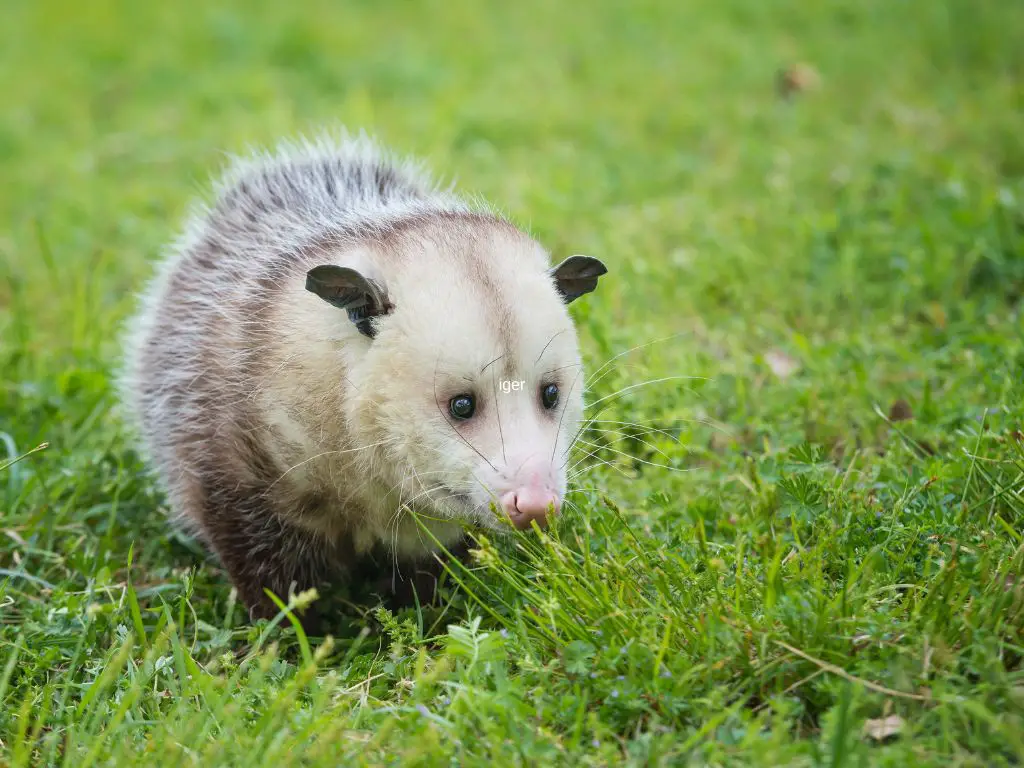
Wild Virginia opossums usually live just 1.5 to 2 years, and 3 to 4 in human care. Here is why…
Comparisons
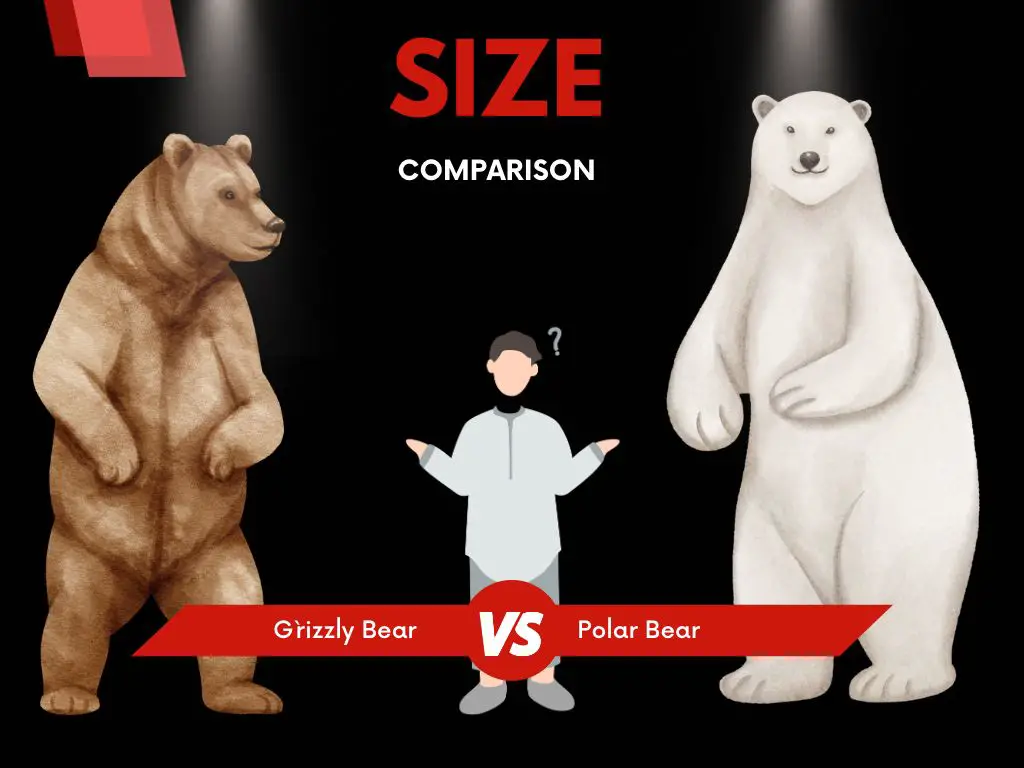
Polar bears are bigger than grizzlies on average: males weigh 350–590 kg against 180–270 kg. Only the biggest coastal Alaskan…
Diet & feeding
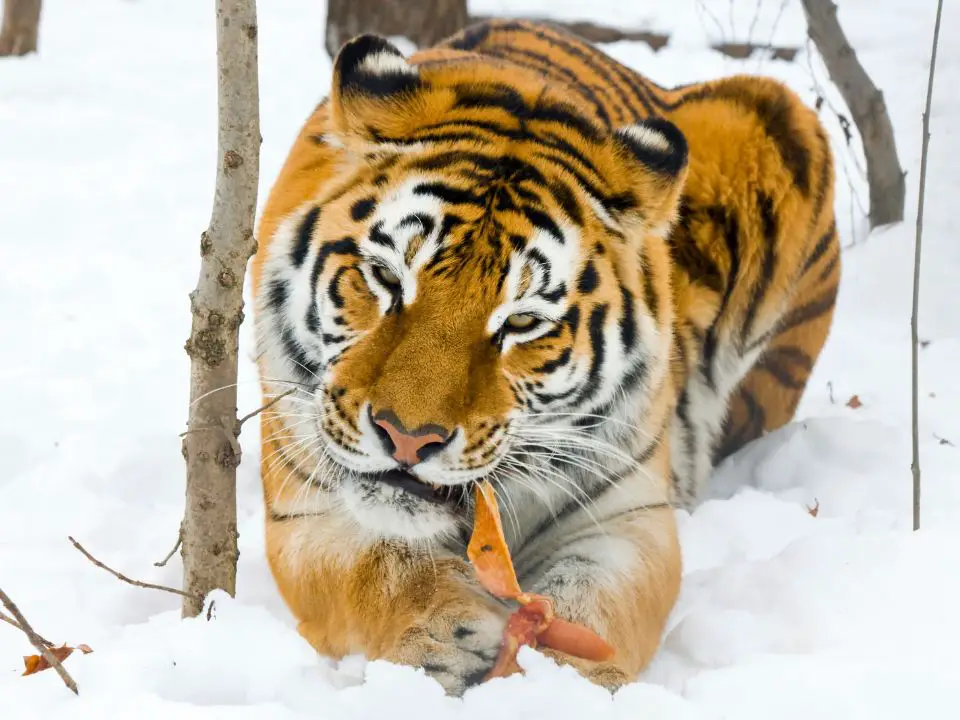
Siberian (Amur) tigers live mainly on wild boar, red deer, roe deer and sika deer, making a kill about once…
Senses
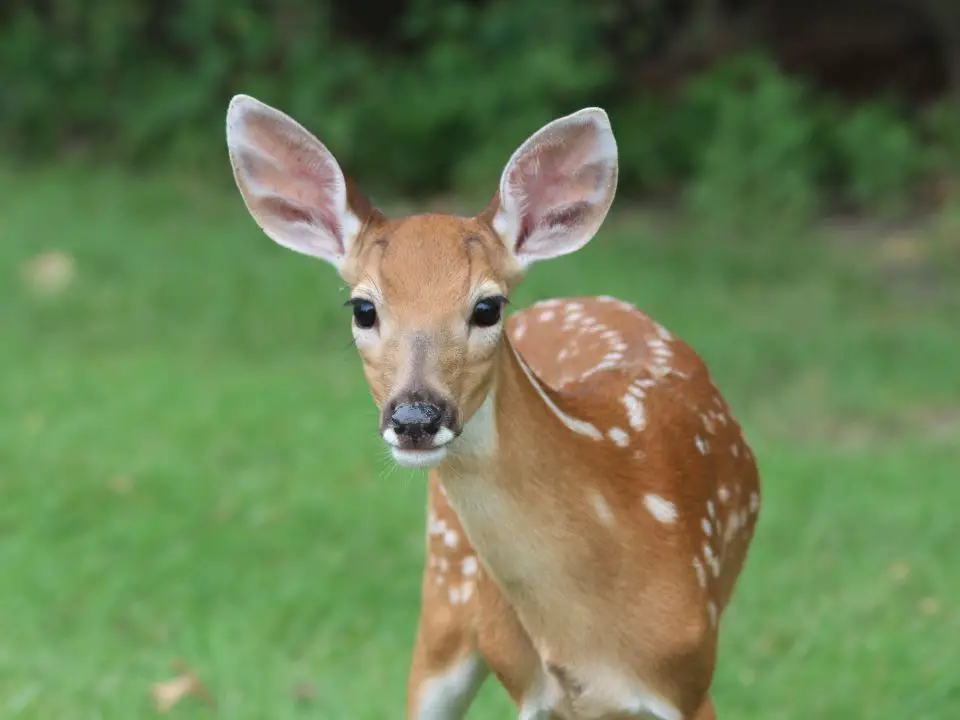
Deer see colors differently than we do, but they are able to see a wider range of colors. This is…
Speed
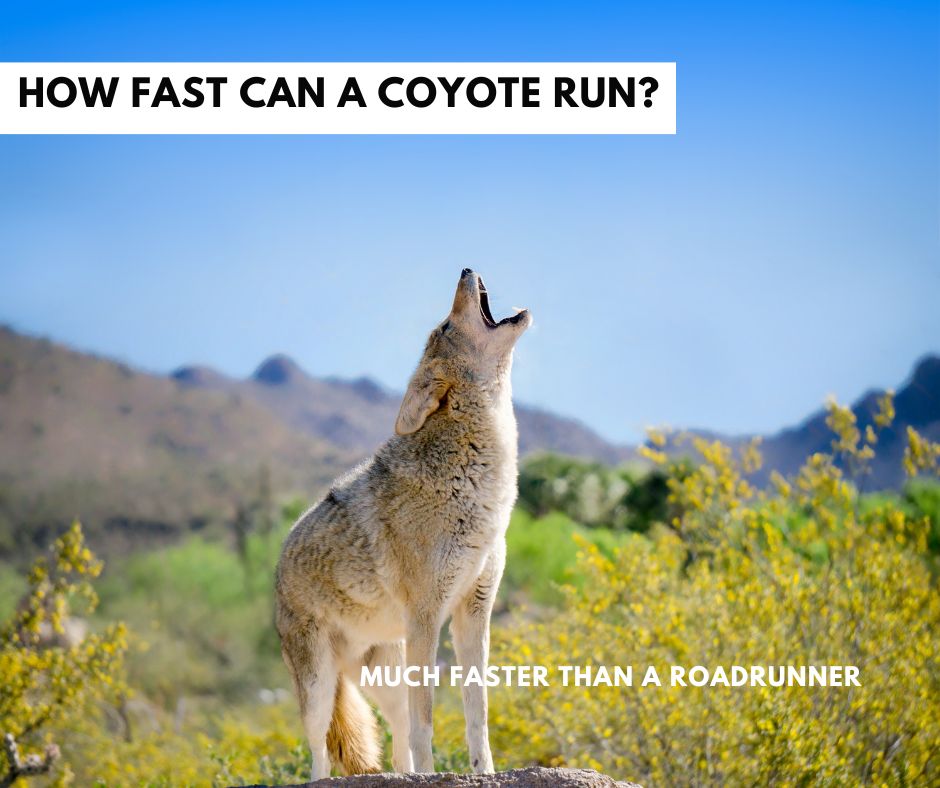
A coyote can sprint at up to about 72 km/h (45 mph), says the US National Park Service. That beats…
Comparisons
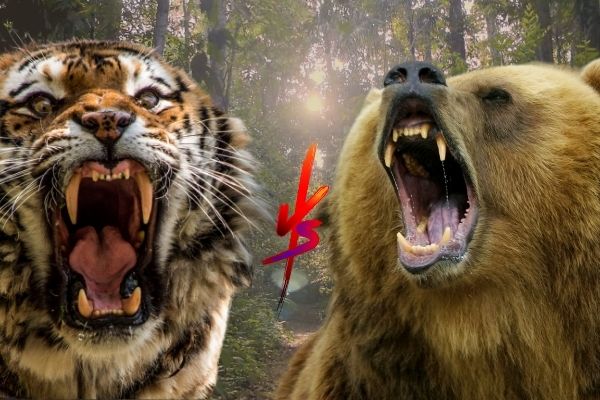
Tigers and grizzly bears live on different continents, so nobody knows who would win. A big Amur tiger and a…