Anatomy & appearance
Do bears have tails?
Every bear species has a tail, usually 3 to 20 cm long and hidden in fur. The giant panda even…
Region
Animals found in The Arctic, and every article about them.
5 animals28 articles
Anatomy & appearance
Every bear species has a tail, usually 3 to 20 cm long and hidden in fur. The giant panda even…
Adaptations
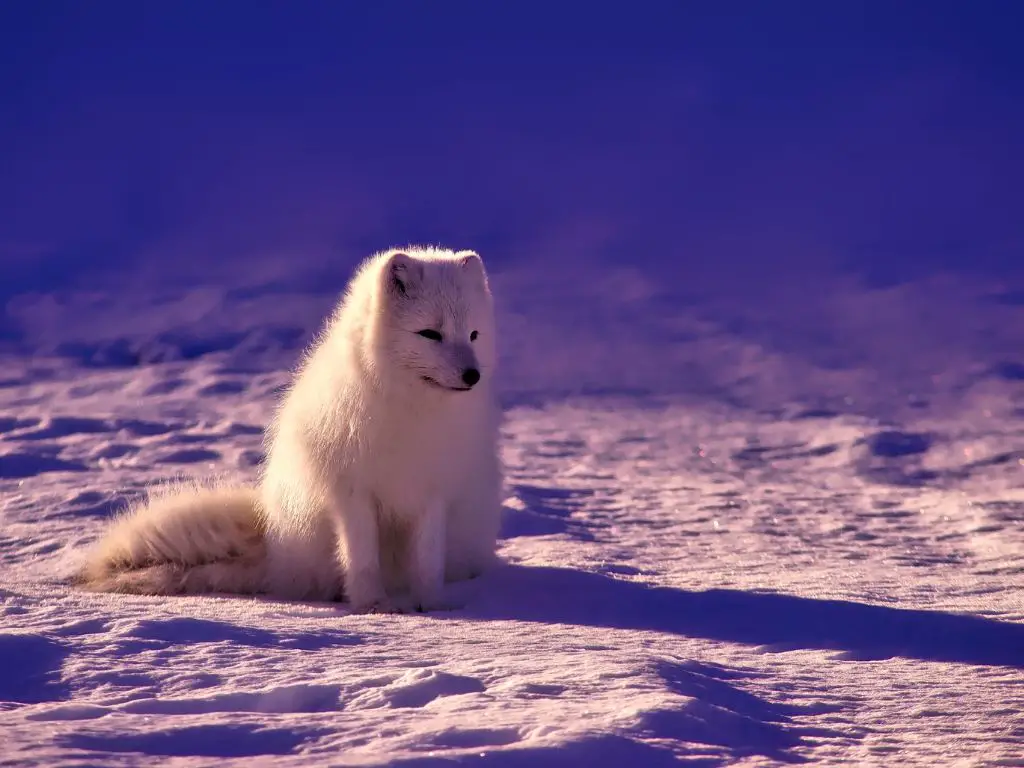
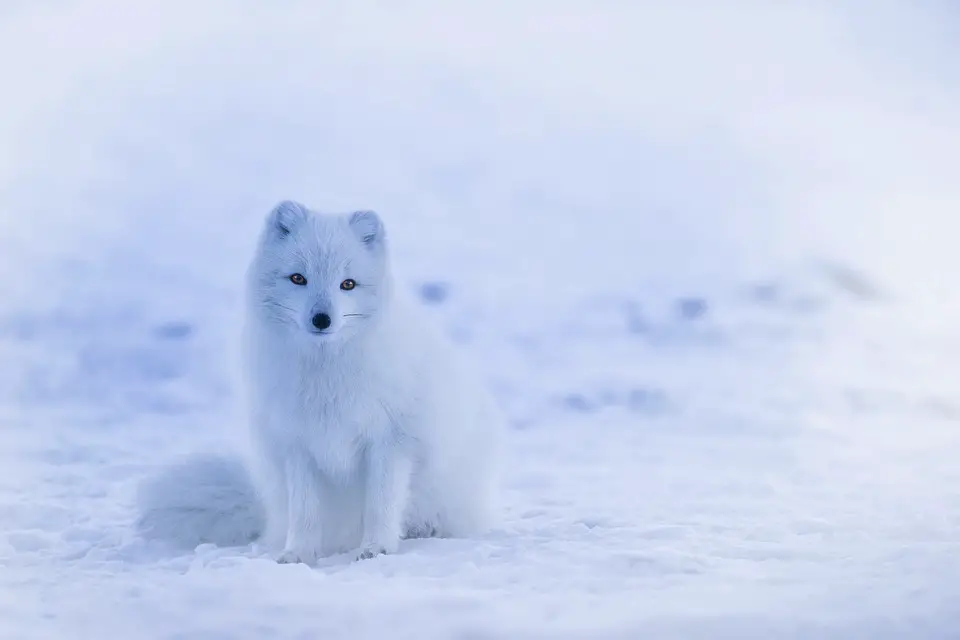
The 3 key adaptations of an arctic fox, sorted into structural, behavioural and physiological, with a labelled diagram, myths, a…
Conservation & population
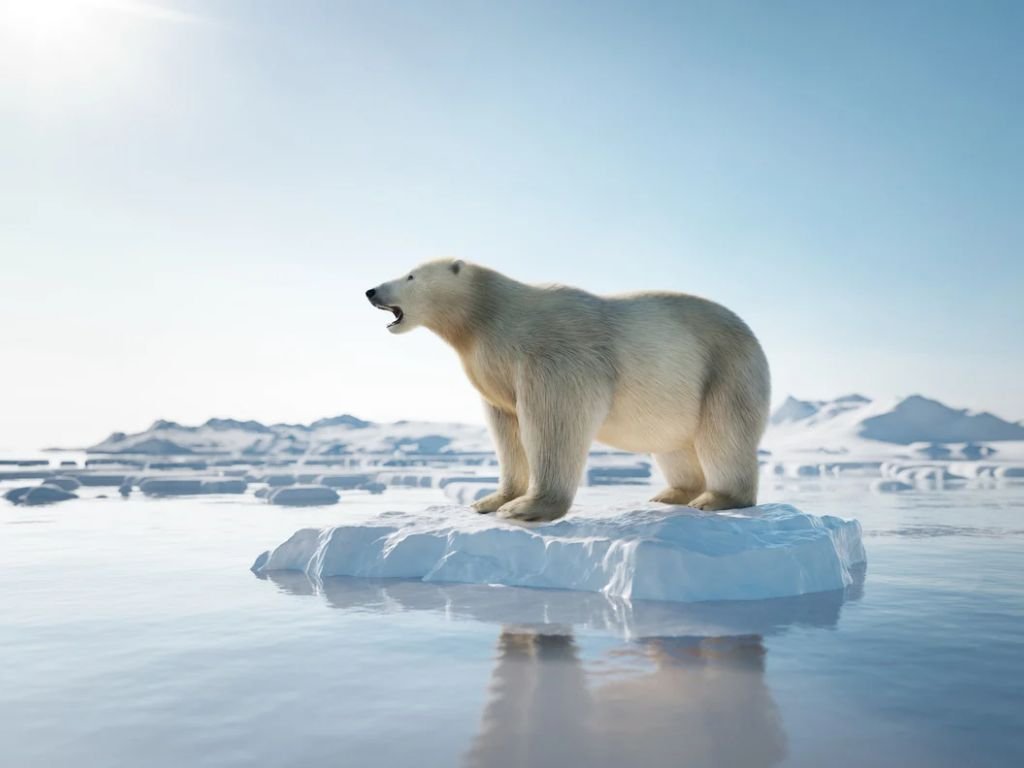
Polar bears are not endangered: they are Vulnerable on the IUCN Red List and Threatened in the US. About 26,000…
Speed
Polar bears can sprint at about 40 km/h (25 mph) for short distances, but they overheat fast. Grizzlies are quicker,…
Comparisons
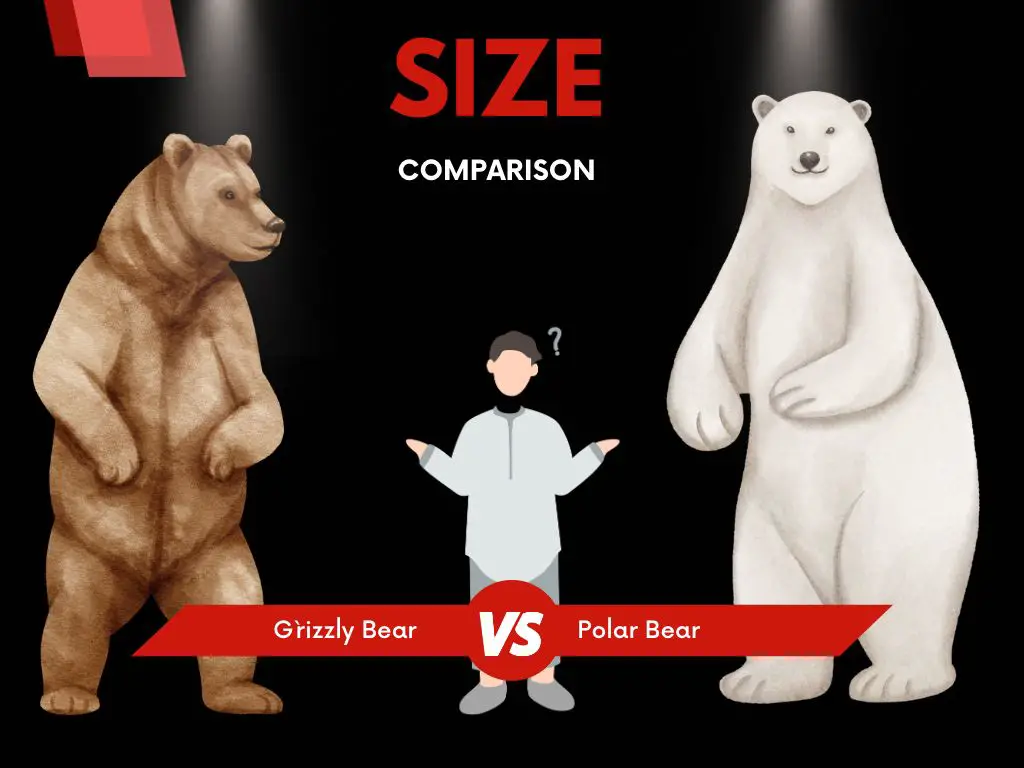
Polar bears are bigger than grizzlies on average: males weigh 350–590 kg against 180–270 kg. Only the biggest coastal Alaskan…
Behaviour
Most polar bears do not hibernate; they hunt seals all winter. Only pregnant females spend winter in a snow den,…
Speed
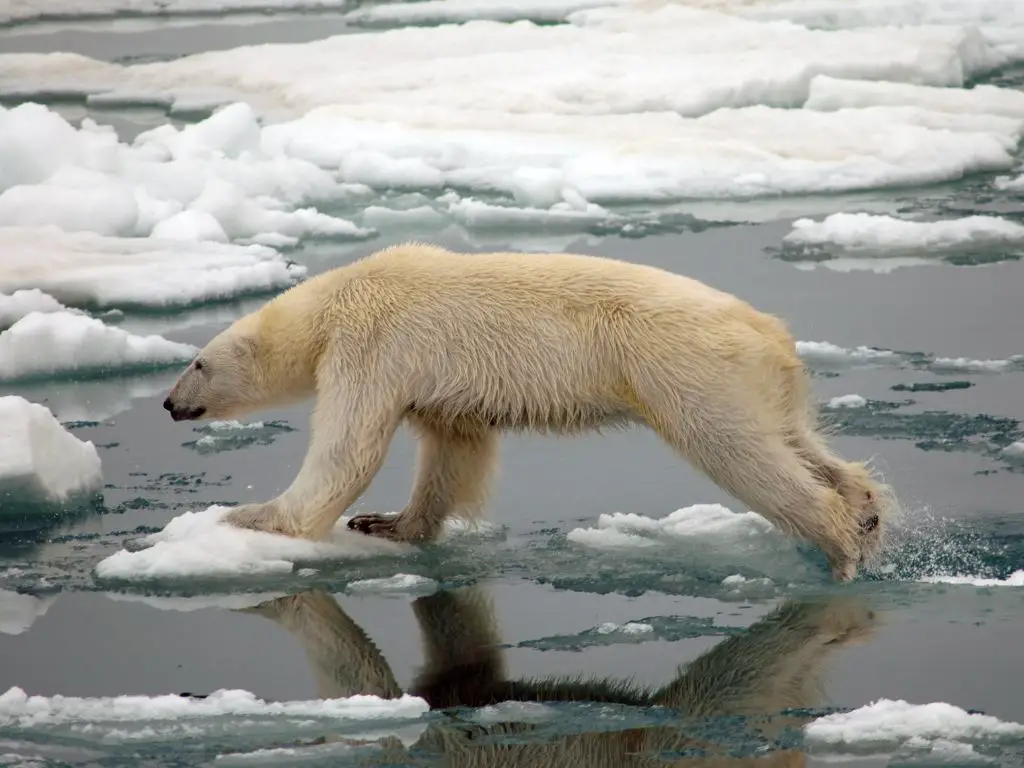
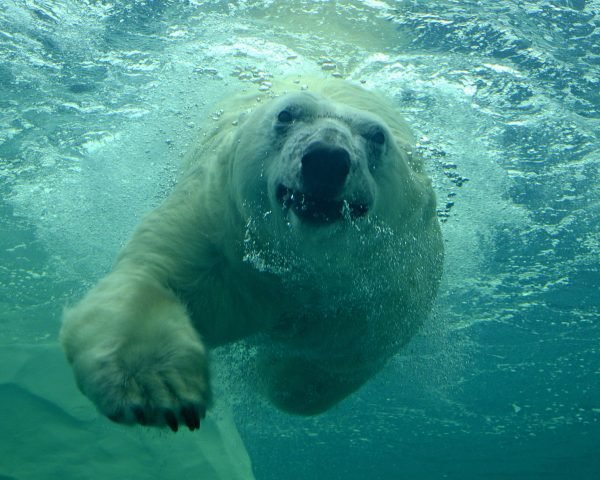
Polar bears can swim at about 10 km/h (6 mph), but they are built for distance, not speed. One tracked…
Records & rankings
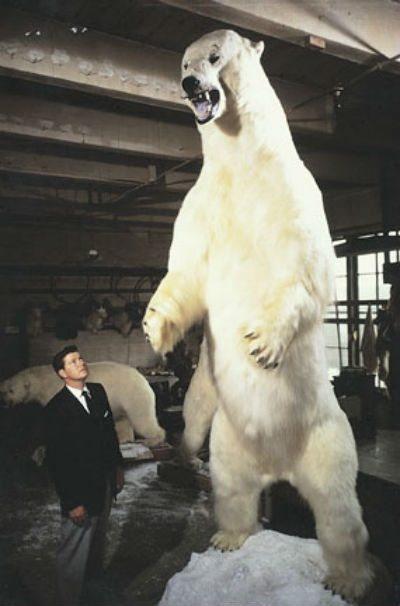
Adult male polar bears usually weigh 350–600 kg and stand about 3 m tall on their hind legs; females weigh…
Adaptations
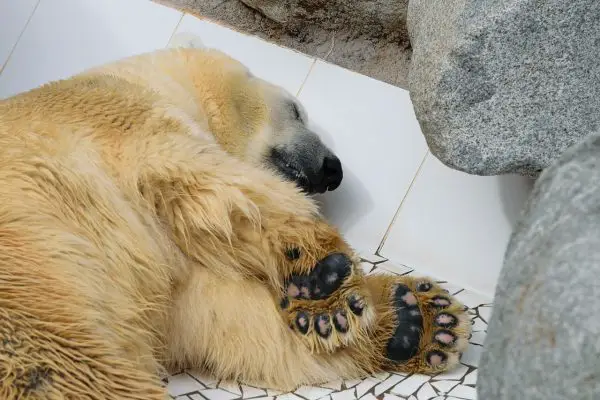
Under their fur, polar bears have black skin. The fur itself is clear and only looks white because it scatters…
Predators & threats
Adult polar bears have almost no predators apart from people and other polar bears. Cubs are sometimes killed by adult…
Life cycle & reproduction
In the subject of Biology, Life Cycle of an organism is defined as the series of changes through which that…
Diet & feeding
Polar Bears and Arctic Foxes both live in the Arctic region and some areas may share the same habitat. Since…