Anatomy & appearance
Do bears have tails?
Every bear species has a tail, usually 3 to 20 cm long and hidden in fur. The giant panda even…
The field guide
Anatomy & appearance
Every bear species has a tail, usually 3 to 20 cm long and hidden in fur. The giant panda even…
Diet & feeding
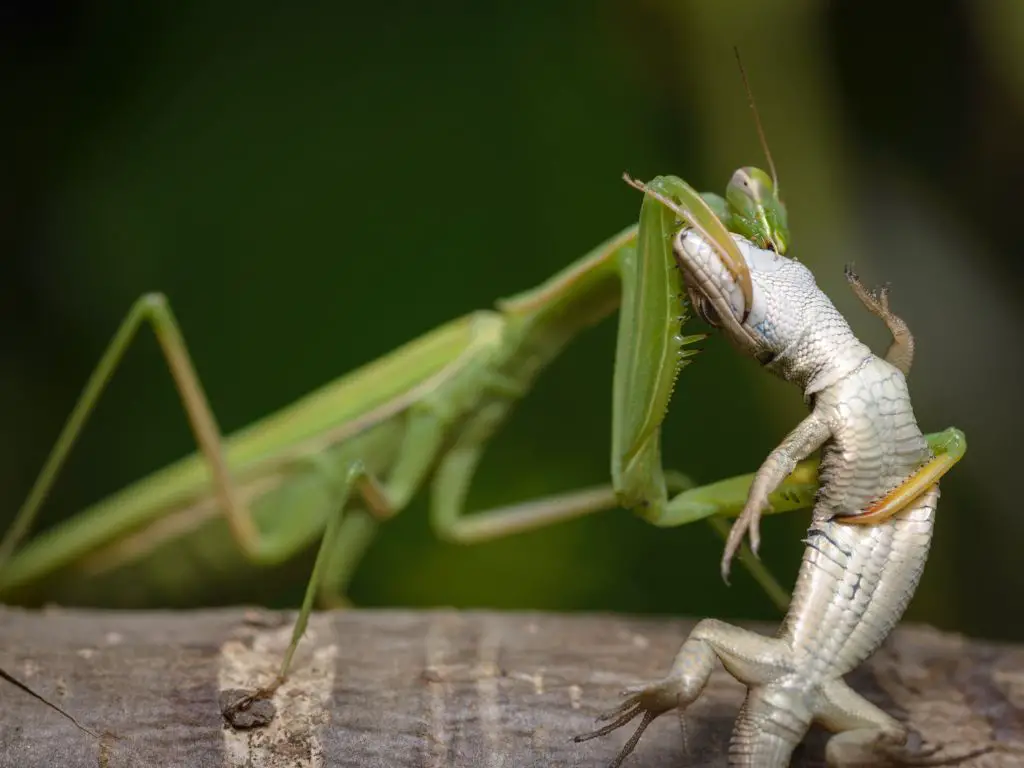
Praying mantises are ambush predators that use their powerful front legs to grab and hold onto their prey while they…
Adaptations
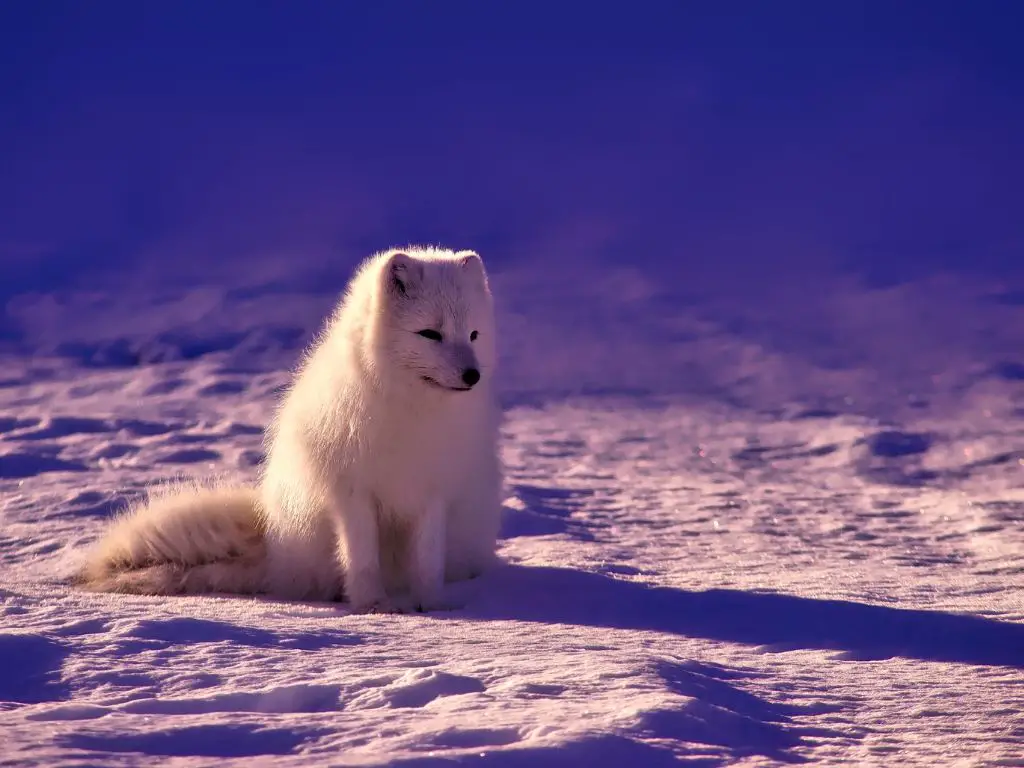
The 3 key adaptations of an arctic fox, sorted into structural, behavioural and physiological, with a labelled diagram, myths, a…
Diet & feeding
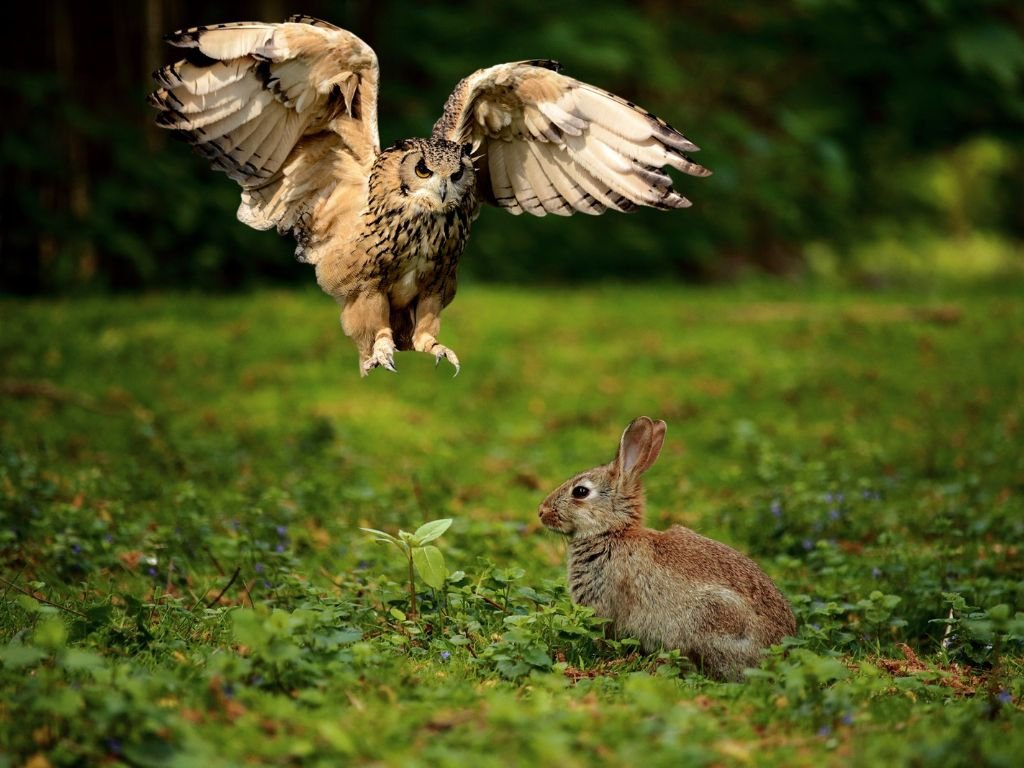
Owls are fascinating birds that are known for their large, forward-facing eyes, sharp talons, and silent flight. These nocturnal birds…
Conservation & population
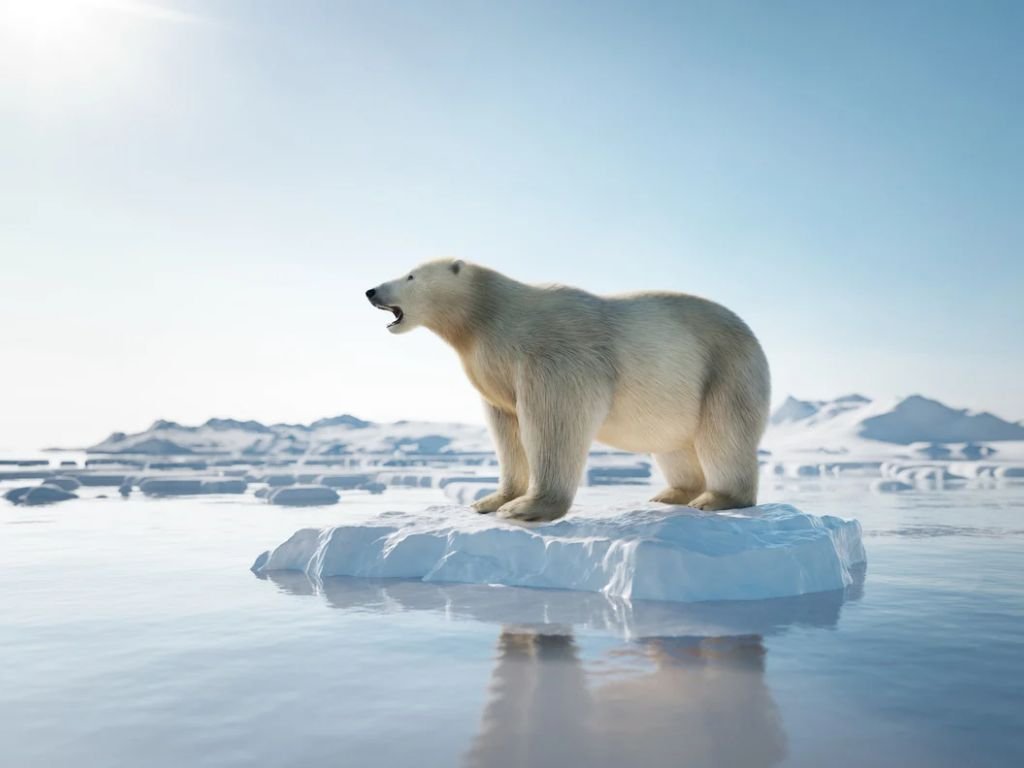
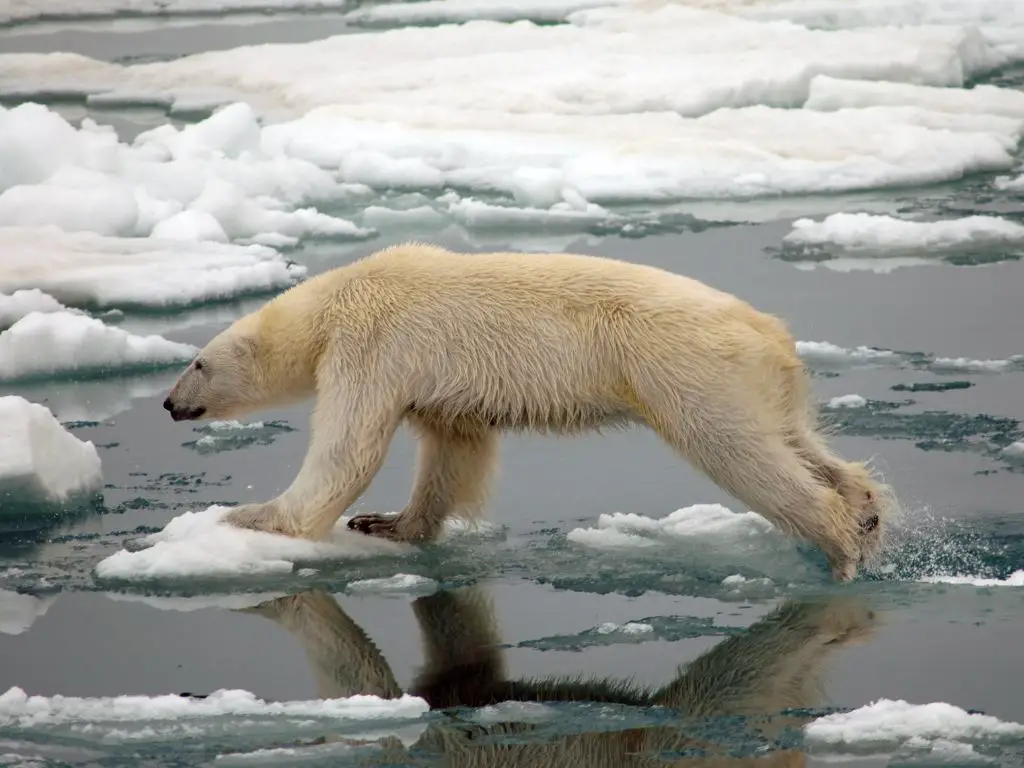
Polar bears are not endangered: they are Vulnerable on the IUCN Red List and Threatened in the US. About 26,000…
Diet & feeding
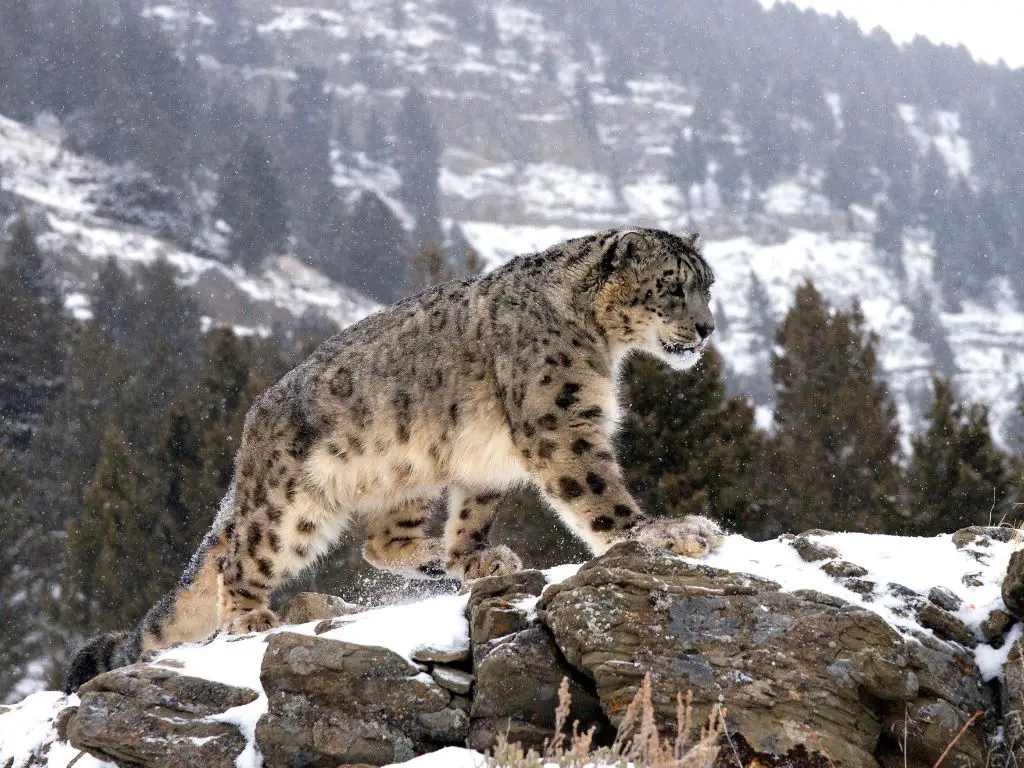
Snow leopards live mainly on wild sheep and goats such as blue sheep and ibex, plus marmots. They kill a…
Habitat & range
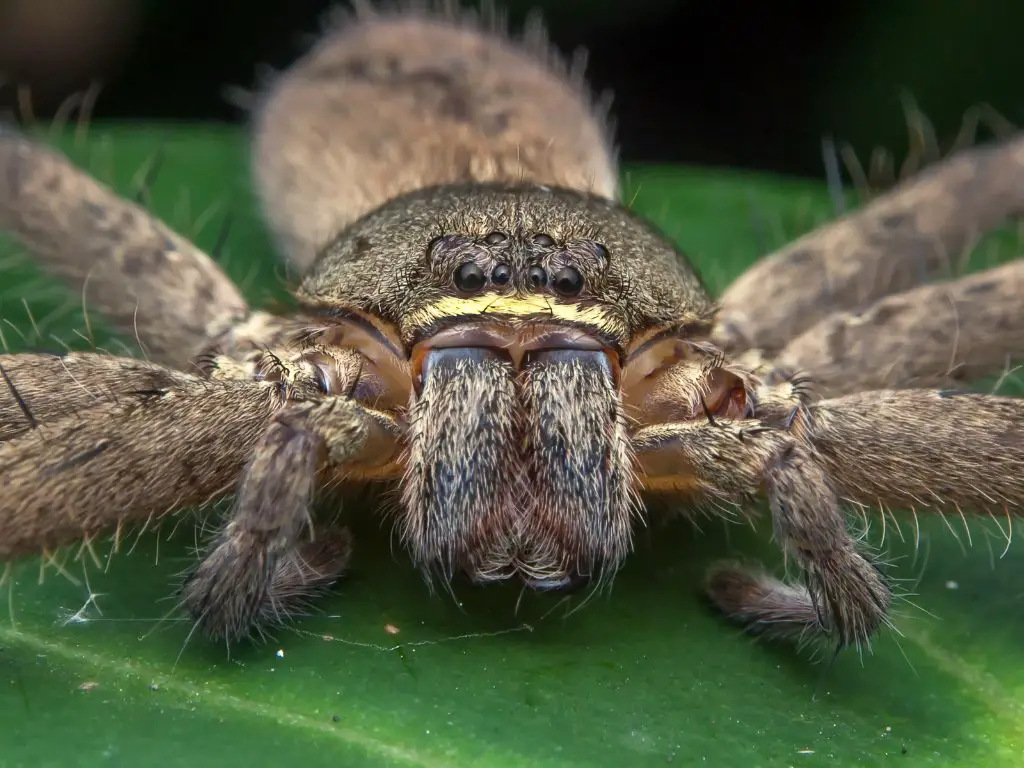
Huntsman spiders are found in many parts of the world, including Australia, Asia, the Americas, and Africa. In Australia, they…
Speed
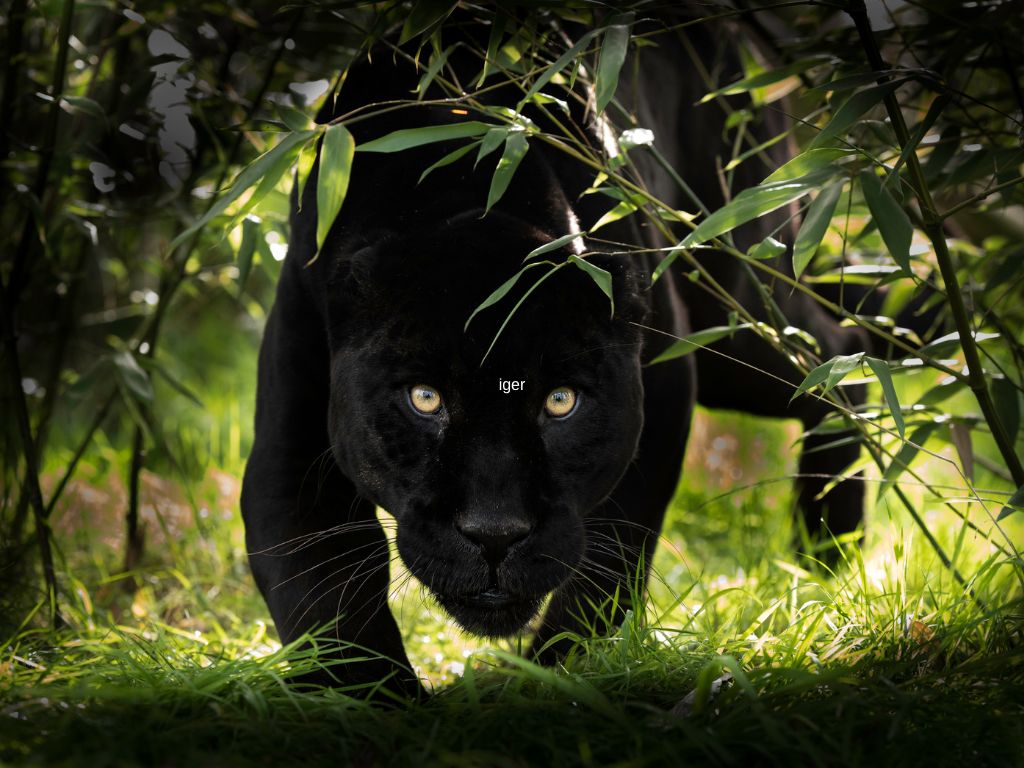
Nobody has measured a wild jaguar at full speed. The popular 80 km/h figure is unproven. Jaguars are ambush hunters…
Speed
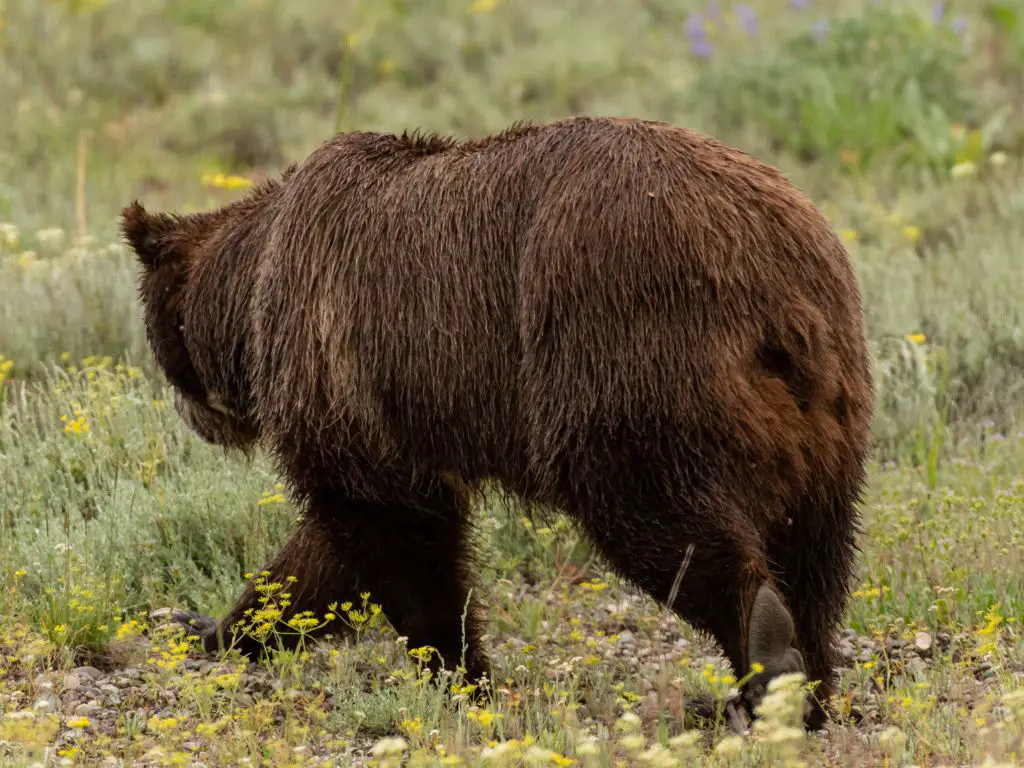
Polar bears can sprint at about 40 km/h (25 mph) for short distances, but they overheat fast. Grizzlies are quicker,…
Lifespan
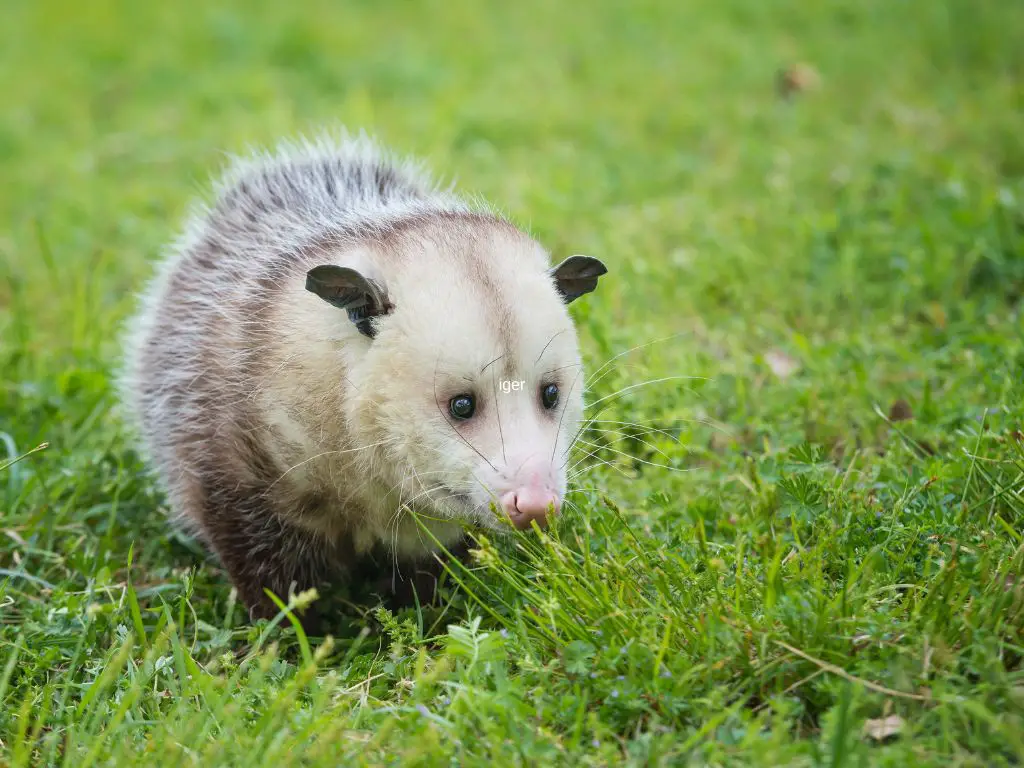
Wild Virginia opossums usually live just 1.5 to 2 years, and 3 to 4 in human care. Here is why…
Speed
Tigers sprint at about 49–65 km/h (30–40 mph) in short bursts: faster than any human, about as fast as lions,…
Adaptations
Lions survive by teamwork. Prides stalk big prey together, manes signal health to rivals and mates, and desert lions get…