Diet & feeding
What do grizzly bears eat?
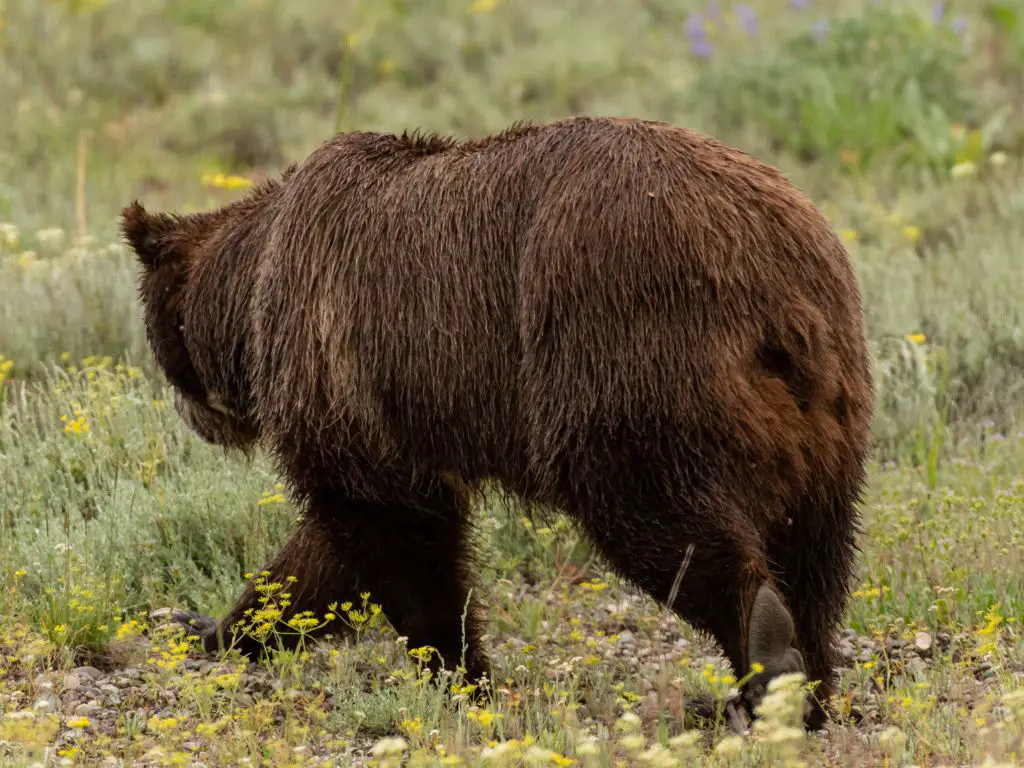
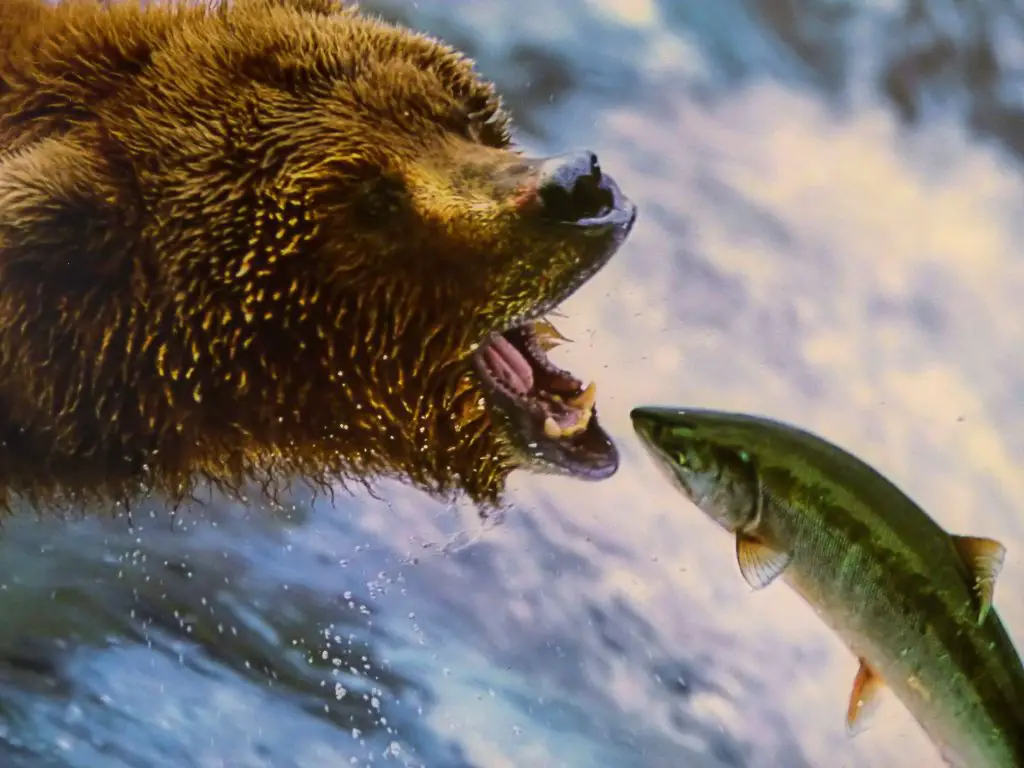
Grizzly bears are omnivores that eat plants, pine nuts, moths, fish and meat. Their menu changes with the seasons, from…
Family
Every animal we cover from Ursidae, and the articles about them.
5 animals30 articles
Diet & feeding
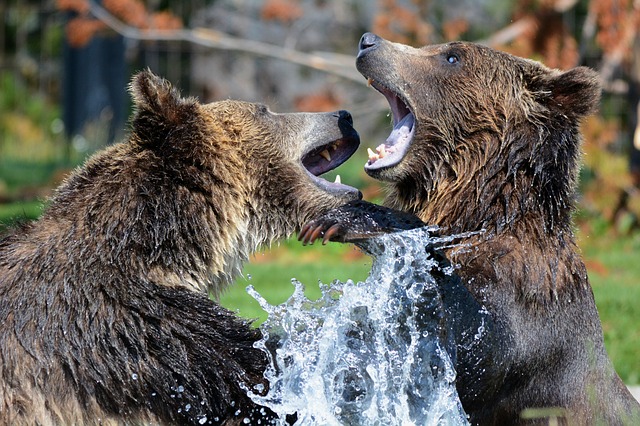
Grizzly bears are omnivores that eat plants, pine nuts, moths, fish and meat. Their menu changes with the seasons, from…
Anatomy & appearance
Every bear species has a tail, usually 3 to 20 cm long and hidden in fur. The giant panda even…
Conservation & population
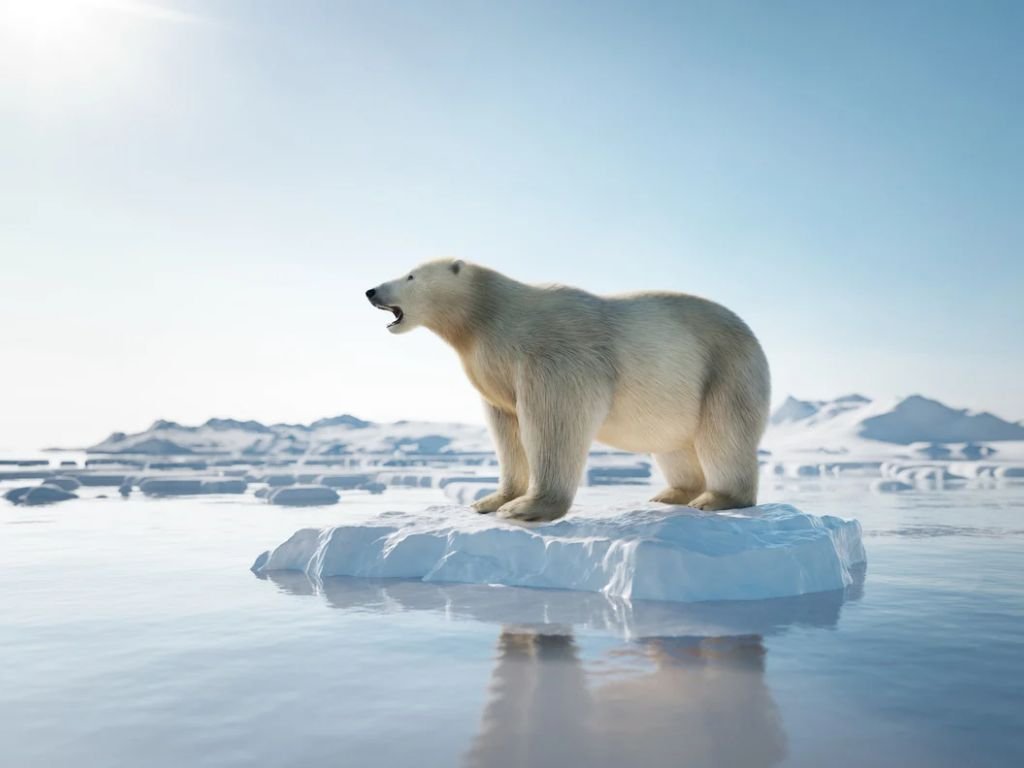
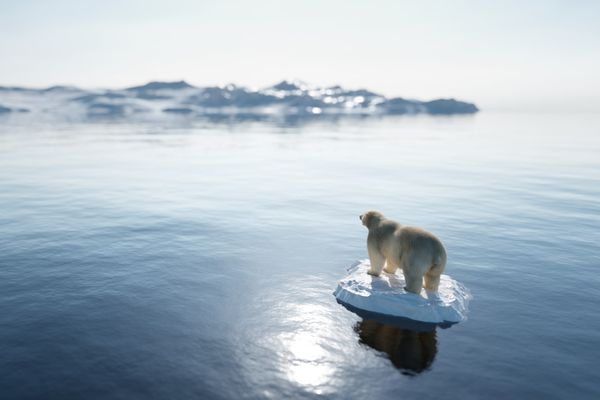
Polar bears are not endangered: they are Vulnerable on the IUCN Red List and Threatened in the US. About 26,000…
Speed
Polar bears can sprint at about 40 km/h (25 mph) for short distances, but they overheat fast. Grizzlies are quicker,…
Comparisons
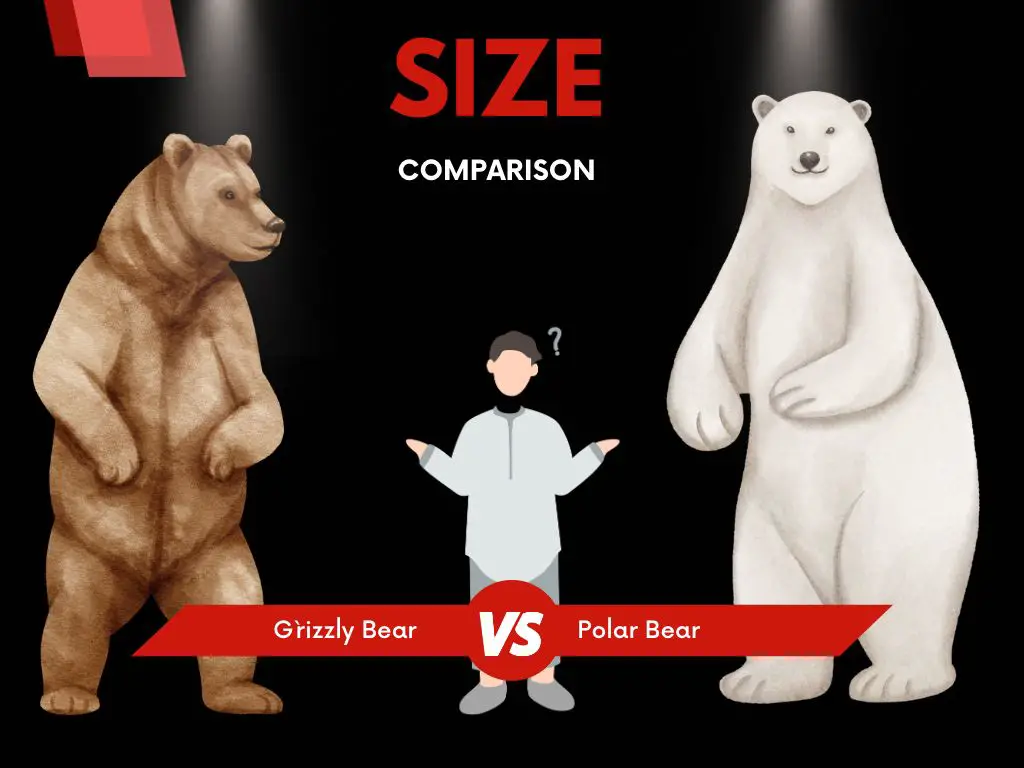
Polar bears are bigger than grizzlies on average: males weigh 350–590 kg against 180–270 kg. Only the biggest coastal Alaskan…
Behaviour
Most polar bears do not hibernate; they hunt seals all winter. Only pregnant females spend winter in a snow den,…
Comparisons
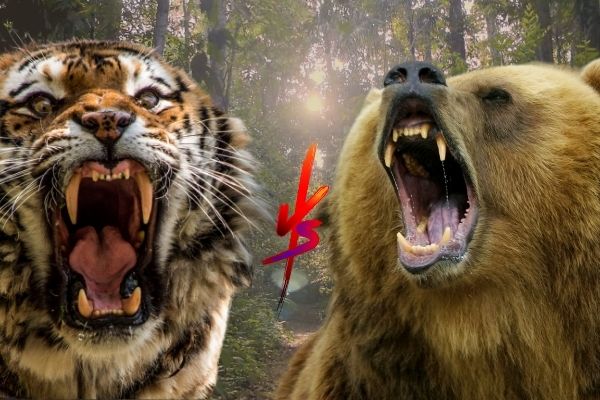
Tigers and grizzly bears live on different continents, so nobody knows who would win. A big Amur tiger and a…
Strength & bite force
Grizzly bears are powerful diggers and hunters, but their lifting strength and bite force have never been measured. Here is…
Speed
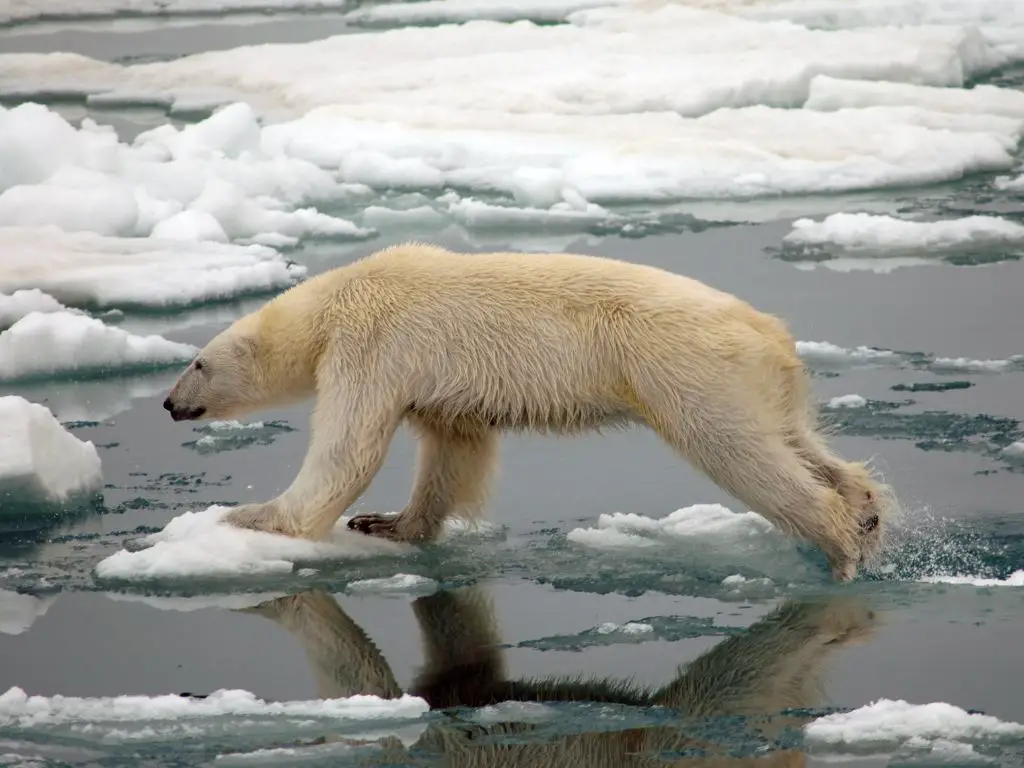
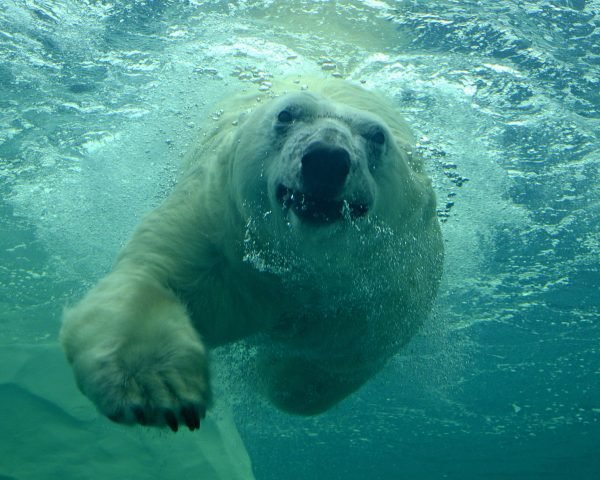
Polar bears can swim at about 10 km/h (6 mph), but they are built for distance, not speed. One tracked…
Records & rankings
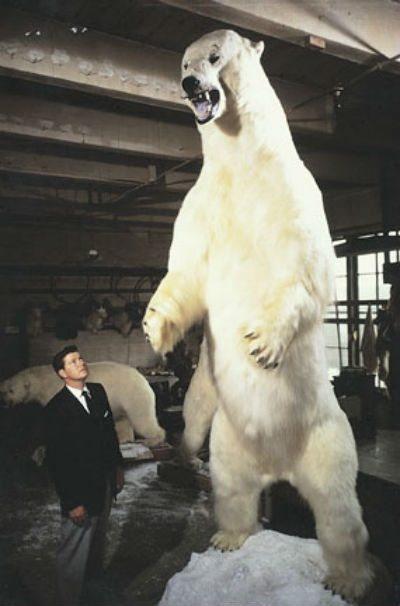
Adult male polar bears usually weigh 350–600 kg and stand about 3 m tall on their hind legs; females weigh…
Adaptations
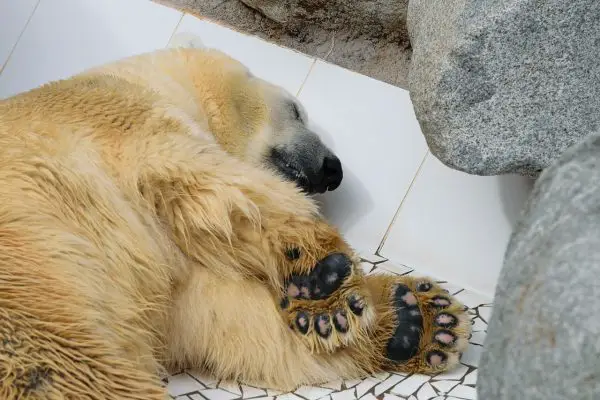
Under their fur, polar bears have black skin. The fur itself is clear and only looks white because it scatters…
Predators & threats
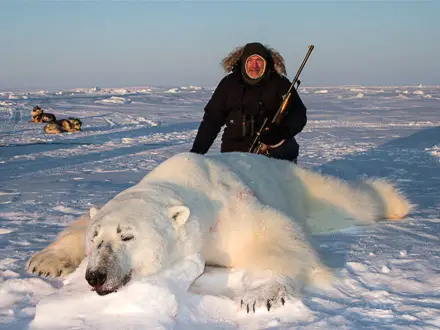
Adult polar bears have almost no predators apart from people and other polar bears. Cubs are sometimes killed by adult…